Image Slide 1
Affiliate Banner
© 2026 Verne Collection – vernecollection.com
--- Affiliate Link ---
© 2026 Verne Collection – vernecollection.com
Shadow

Cuisine Georgia

Excerpt: Georgia’s cuisine is a celebration of bold flavors and fresh ingredients. From Khachapuri and Khinkali to walnut‑based sauces, every dish reflects the country’s rich culinary heritage rooted in the Caucasus.

1. Georgian Cuisine – Tradition and Diversity

Georgian cuisine is far more than just a meal—it is a deeply rooted part of the national identity, a symbol of hospitality, and a fascinating interplay of history, geography, and passion. Anyone who has ever taken part in a Georgian supra (a traditional feast) knows that here, culinary delight and social fellowship merge into a unique experience. In this article, we take you on a journey through the flavors of the Caucasus and show you why Georgian cuisine is currently taking the global food scene by storm.
Georgia lies at the crossroads of Europe and Asia, directly on the historic Silk Road. This strategic location has shaped the country’s cuisine for centuries. Influences from the Middle East, the Mediterranean, and Central Asia have blended with local traditions and indigenous ingredients. The result is a cuisine that plays with contrasts: hearty yet fresh, spicy yet balanced, meat-centric yet a paradise for vegetarians. The foundation consists of fresh herbs (especially cilantro, tarragon, and basil), walnuts, pomegranates, and unique spice blends such as Chmeli Suneli. Georgian cuisine has long been considered one of the most refined in the post-Soviet region. It is characterized by high quality and impressive regional diversity. Meat plays a central role, with each region having its preferred variety: pork, beef, and mutton are widely consumed, but game such as venison, mountain goat, rabbit, quail, and pheasant also enrich the menu.

1.1 Culinary Classics

Among the best-known specialties are:

  • Khinkali – These dumplings are the pride of Georgia. Filled with a spicy meat mixture (or mushrooms/cheese) and a rich broth inside, they require a special eating technique: You hold them by the dough top, bite into them carefully, slurp up the broth, and then eat the rest. Traditionally, the top is left on the plate to keep track of how many you’ve eaten.
  • Khachapuri – This famous cheese bread comes in many regional variations. The best-known is Adjaruli Khachapuri from the Adjara region—a boat-shaped yeast dough filled with melted cheese, a raw egg, and a pat of butter. It is the definition of comfort food.
  • Lobio – Lobio (Georgian for “bean”) is much more than just a bean dish. It is a flavorful stew made with red kidney beans, traditionally served in a clay pot (Kotschi). The base consists of tender beans, enhanced with onions, garlic, walnuts, and an abundance of fresh herbs such as cilantro and blue fenugreek (Utskho Suneli). There are countless variations—ranging from a thin soup to a thick, almost pureed stew. In some regions, it is flavored with bacon, but it is usually a purely vegan dish.
  • Mschadi – No Lobio is complete without Mschadi. This simple yet delicious cornbread from Western Georgia, often served with Sulguni cheese, is the perfect accompaniment for soaking up the spicy sauce from the bean stew. Traditionally, Mschadi consists only of white cornmeal, water, and a pinch of salt. The dough is shaped into flat cakes and fried in a pan until golden brown and crispy. Mschadi tastes best hot and is often eaten with salty Sulguni cheese or simply alongside the lobio.

In the modern culinary world, Georgian cuisine is celebrated worldwide. Lobio and Mschadi embody the trend toward “comfort food”, which is healthy, nutritious, and often plant-based. The combination of complex spices and down-to-earth ingredients makes this duo a must-try for any food lover who wants to discover the true essence of the Caucasus.

In addition to sulguni, imeruli (cheese from Imereti) and guda (mountain cheese) are also popular—cheese is often even served as a main course.

1.2 Regional Differences

These culinary differences are also reflected in staple foods: In Western Georgia, corn dominates, while in Eastern Georgia, wheat is the primary crop grown and consumed. A distinctive feature is the versatile use of walnuts, which serve not only as a garnish but as an integral part of many dishes.

1.3 Appetizers

Typical appetizers include:

  • Badridjani – (stuffed eggplant with walnut paste) is arguably the most iconic dish on any Georgian table. It combines the freshness of local herbs with the creaminess of walnuts, which are practically considered a staple food in Georgia. Wafer-thin slices of eggplant are fried until golden brown and then coated with a spicy paste. This consists of ground walnuts, garlic, vinegar, and essential spices such as utskho suneli (blue fenugreek) and cilantro. The rolls are usually served with bright red pomegranate seeds. These not only add visual elegance but also release a subtle tartness with every bite, which harmonizes perfectly with the rich walnut filling. Badridjani is a prime example of how Georgian cuisine manages to transform purely plant-based ingredients into a luxurious taste experience.
  • Basturma – While vegetable dishes grace the table, meat plays a central role in the Caucasus. Basturma is a symbol of patience and craftsmanship—air-dried beef that captivates with its intense flavor. To make basturma, high-quality cuts of beef are cured in salt and then coated with a thick spice paste known as chaman. This paste consists of fenugreek, plenty of garlic, and hot paprika. The meat is air-dried for weeks, giving it its deep red color and tender texture. Every region in the Caucasus guards its own secret for the perfect spice blend. A treat for connoisseurs—sliced thinly, Basturma is often served as an appetizer or paired with a robust Georgian red wine like Saperavi. It embodies the rustic side of Georgia—robust, spicy, and authentic.

Whether you prefer the delicate elegance of Badridjani or the hearty intensity of Basturma—both specialties demonstrate why Georgian cuisine is currently taking the global food scene by storm. They are the result of a strategic location on the Silk Road, where influences from the Middle East and Central Asia met indigenous ingredients and pure passion.

1.4 Main courses

Popular main dishes include:

  • Mtsvadi – the Georgian Shish Kebab in a Class of Its Own. If there is one dish that embodies Georgians’ passion for grilling, it is Mtsvadi. Unlike ordinary meat skewers, Mtsvadi stands out for its minimalist preparation. The secret to its flavor: high-quality meat (usually pork, beef, or lamb) is marinated only lightly with salt, pepper, and onions. The goal is to highlight the meat’s natural flavor rather than mask it with heavy sauces. Traditionally, Mtsvadi is grilled over the embers of dried grapevines. This gives the meat a unique, smoky aroma found nowhere else. Served fresh off the skewer, Mtsvadi is often accompanied by paper-thin onion rings and a tangy tkemali sauce (wild plum sauce), which pairs perfectly with the rich meat.
  • Chachokhbili – a Feast of Tomatoes and Herbs. Chachokhbili is a classic Georgian stew that was originally made with pheasant meat (the name derives from the Georgian word khokhobi for pheasant). Today, the version with tender chicken is the standard in Georgian households. What makes chachokhbili special is the “dry-frying” method. The meat is first seared in a pan without fat before being braised in a rich sauce made from fresh tomatoes and onions. What makes chachokhbili so distinctive is the abundance of fresh herbs. Cilantro, basil, and flat-leaf parsley lend the ragout a freshness that is typical of Georgian cuisine at the crossroads of Europe and Asia.
  • Chanachi – the hearty delight from the clay pot. For lovers of lamb, Chanachi is the ultimate culinary experience. This dish is a prime example of how meat and vegetables meld into a perfect harmony through slow braising. Layer by layer of flavor—in traditional clay pots, pieces of lamb are layered alternately with eggplant, potatoes, tomatoes, and bell peppers. Slow braising in its own juices makes the meat so tender that it almost falls apart on its own, while the eggplants fully absorb the savory meat juices. Chanachi is a hearty main course that represents the rustic, authentic side of Georgia and is especially appreciated on cooler days in the Caucasus Mountains.

Whether straight from the grill or slowly matured in a clay pot—these dishes show why Georgian cuisine is currently taking the global food scene by storm. They play with contrasts: hearty yet fresh, meat-centric yet perfectly balanced by the best that Georgia’s nature has to offer. These dishes are often served with aromatic sauces, such as Baji (walnut sauce), Tqemali (mirabelle plum sauce), Sasebela (tomato sauce), or the spicy seasoning paste Adjika.

1.5 Desserts

Georgian cuisine is far more than just a meal—it is a deeply rooted part of the national identity and a fascinating interplay of history and geography. Located along the historic Silk Road, Georgia has absorbed influences from both the East and the West over the centuries. Yet while hearty meat dishes like Mtsvadi often take center stage, the world of Georgian desserts holds treasures inextricably linked to the country’s pride: winemaking.

Churchkhela and Pelamushi are the stars of Georgian confectionery. They are made from Badagi—the highly concentrated, pure juice of the Georgian grape—and embody a passion for natural ingredients and traditional craftsmanship.

  • Churchela – nuts dipped several times in thickened grape juice. Churchkhela is arguably the most famous souvenir from the Caucasus. These distinctive, candle-like strands hang in every Georgian market and are a symbol of energy and longevity. The production process—a task that requires patience. Walnuts or hazelnuts are strung on a thread and dipped several times in tatara—a grape juice that has been boiled down and thickened with flour. The chains are then left to air-dry for several days until the outer layer becomes firm and elastic. Originally, Georgian warriors took churchkhela into the mountains as nutritious provisions because it has a long shelf life and provides quick energy. Today, it’s the perfect natural snack for in between meals—completely free of artificial sugar. While in the east (Kakheti) walnuts and dark grape juice are more commonly used, in western Georgia you often find variations with hazelnuts and light-colored juice.
  • Pelamushi – pudding made from grape juice and cornmeal, particularly popular in Kartli and Western Georgia. If churchkhela is portable energy, then pelamushi is the elegant finale of a festive supra. This traditional pudding is particularly popular in Kartli and western Georgia (Imereti). Pelamushi consists of a mixture of grape juice and cornmeal (occasionally wheat flour), which is simmered until it reaches a creamy, silky consistency. After cooling, the mixture sets into a firm pudding. Pelamushi captivates with its deep purple color and the interplay of sweet and slightly tart grape notes. It is often naturally vegan and is traditionally garnished with a handful of walnuts, which provide the necessary crunch. Since pelamushi is based on the power of the grape and requires no cream or butter, it fits perfectly into the modern, health-conscious diet that is currently taking the global food scene by storm.

Whether as a handy Churchkhela for on the go or as an elegantly plated Pelamushi after dinner—these desserts demonstrate that Georgia knows how to transform nature’s gifts into culinary masterpieces. They are the result of a millennia-old wine culture that doesn’t end in the glass here, but lives on on the plate.

2. Characteristics and Ingredients of Georgian Cuisine

Georgian cuisine thrives on its regional diversity and close connection to nature. Typical ingredients reflect the landscapes between the Black Sea and the Caucasus Mountains, giving the dishes their distinctive character.

  • Fresh herbs such as cilantro, dill, and tarragon are almost always part of meals and provide the aromatic freshness that makes Georgian cuisine so distinctive.
  • Walnuts are not just a side dish but an integral part of many recipes—from creamy sauces like Baji to vegetable dishes like Pkhali. They lend the dishes a nutty depth and are a hallmark of Georgian culinary culture.
  • Cheese plays a central role: the famous Sulguni from Mingrelia is particularly popular, as are Imeruli from Imereti and Guda from the mountainous regions. Cheese is not only used as an ingredient but is often served as a main course in its own right.
  • Tart fruits like plums and pomegranate seeds provide the typical balance between sweetness and acidity. They give meat dishes, stews, and salads a fresh, slightly fruity note.
  • Traditional bread baked in clay ovens (tone) accompanies nearly every meal. Whether cornbread (mshadi) or the many varieties of cheese bread khachapuri—bread in Georgia is not just a filling side dish, but a cultural symbol.

The combination of herbs, nuts, cheese, fruits, and bread makes Georgian cuisine one of the most diverse in the Caucasus. It is down-to-earth and refined at the same time, blending regional traditions with culinary creativity and reflecting the country’s diversity.

3. Georgian Spices – The Heart and Soul of the Cuisine

Georgian cuisine is a feast of flavors: even simple ingredients like cabbage, eggplant, beans, or tomatoes are transformed into impressive dishes with the right seasoning. The true secret lies in the spices, which give the dishes their distinctive character and have been at the heart of the culinary culture for centuries.

3.1 Main Spices and Blends

  • Svan Salt – a unique blend of salt and mountain herbs, a symbol of the Svaneti region.
  • Chmeli Suneli – an aromatic herb blend of cilantro, basil, marjoram, mint, and others, versatile in soups, sauces, and vegetable dishes.
  • Utskho Suneli (Blue Fenugreek) – a mildly bitter spice that adds depth to meat and stew dishes.
  • Cilantro – indispensable both fresh and as seeds, it brings citrus notes and freshness.
  • Saffron (Yellow Flower) – saffron powder that colors dishes a golden yellow and imparts a delicate aroma.
  • Adjika – a spicy paste made from chili peppers, garlic, and often walnuts, a culinary symbol of Georgia.

3.2 Influence on the Cuisine

The spectrum ranges from mild and aromatic to hot and spicy. Spices such as adjika or chmeli suneli characterize classics like khachapuri, khinkali, or lobio and make Georgian cuisine unmistakable. A carefully selected spice is not only a flavor enhancer but also an expression of a millennia-old tradition that remains alive to this day.

Georgian Starters

Georgian Starters

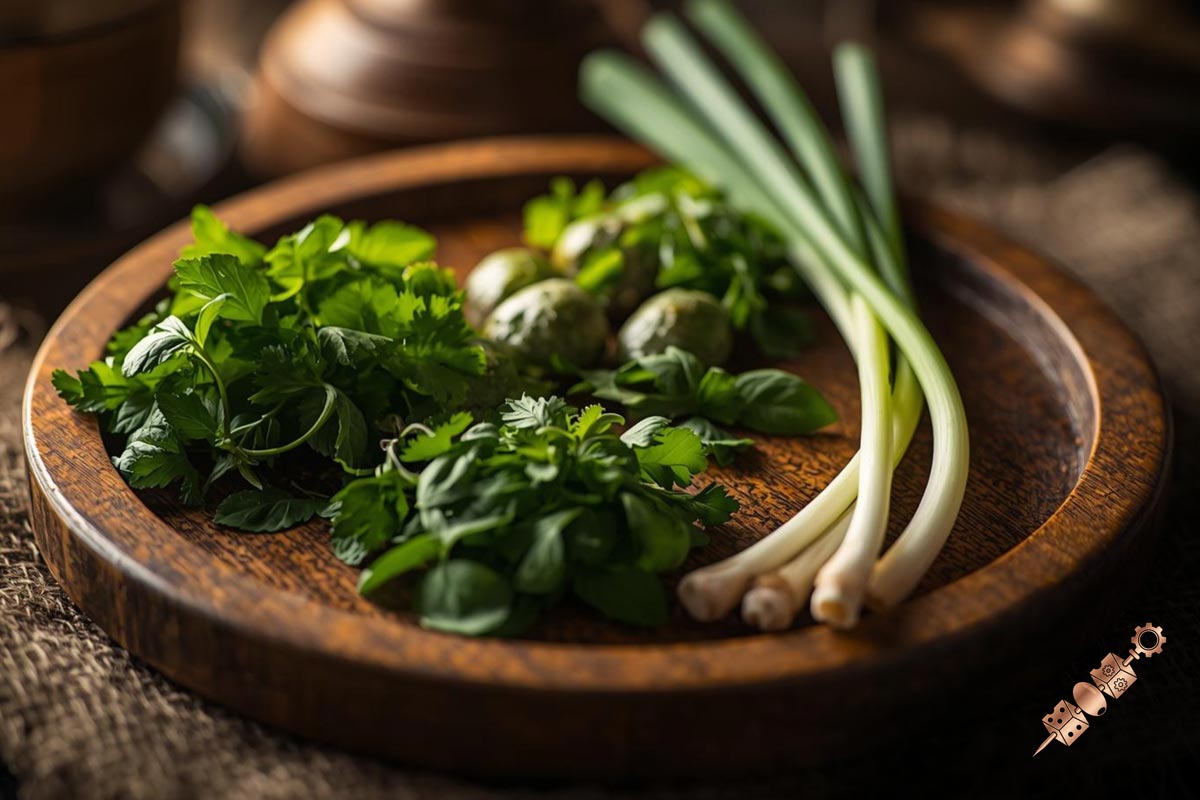
Fresh Herb Platter (Mtsvane) – Classic Georgian Starter

Georgian herb platter (Mtsvane) – cilantro, tarragon, basil, and spring onions served fresh as a classic starter.
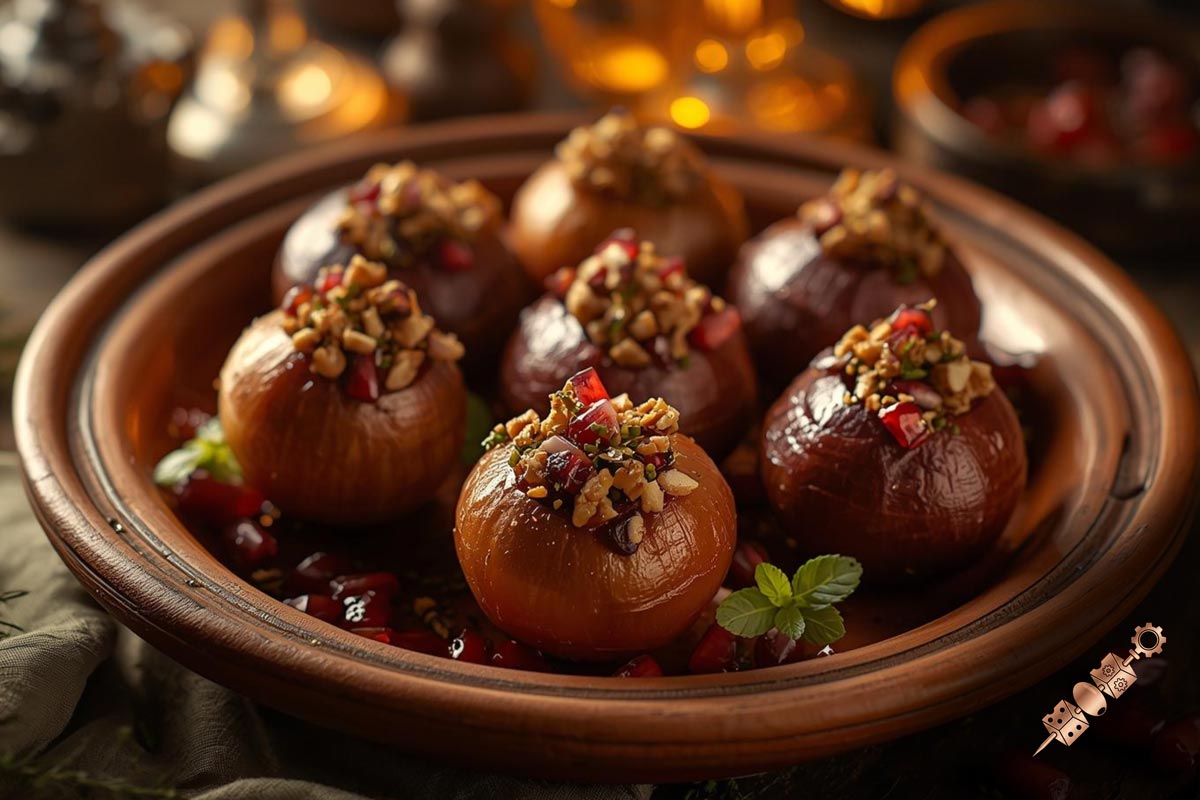
Walnut‑Stuffed Onions – Authentic Georgian Starter Recipe

Georgian walnut stuffed onions – tender onions filled with walnut paste, served as a festive starter.
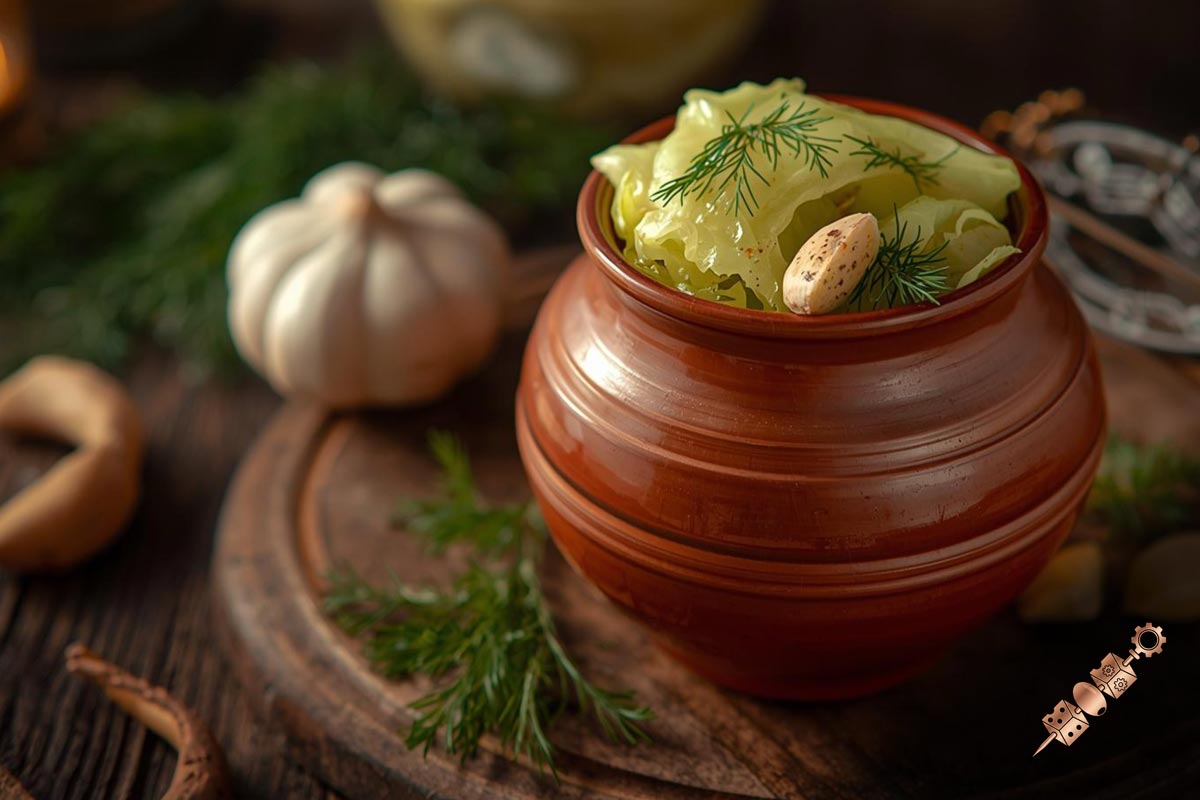
Pickled Cabbage Leaves – Authentic Georgian Starter Recipe

Georgian pickled cabbage leaves – tangy leaves preserved in vinegar and spices, served as a refreshing starter or wrap.
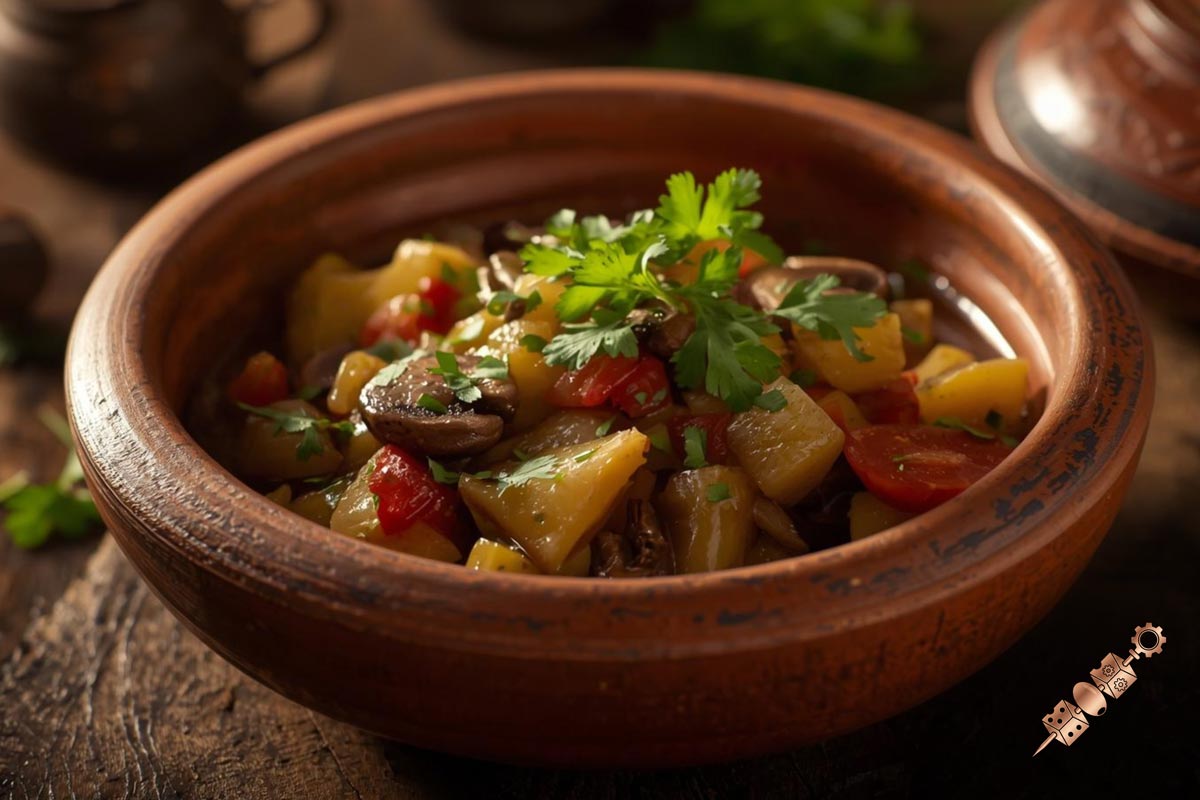
Georgian Mushroom Ajapsandali – Colorful Vegetable Starter

Georgian mushroom ajapsandali – colorful vegetable stew with mushrooms and herbs, served in small portions as a starter.
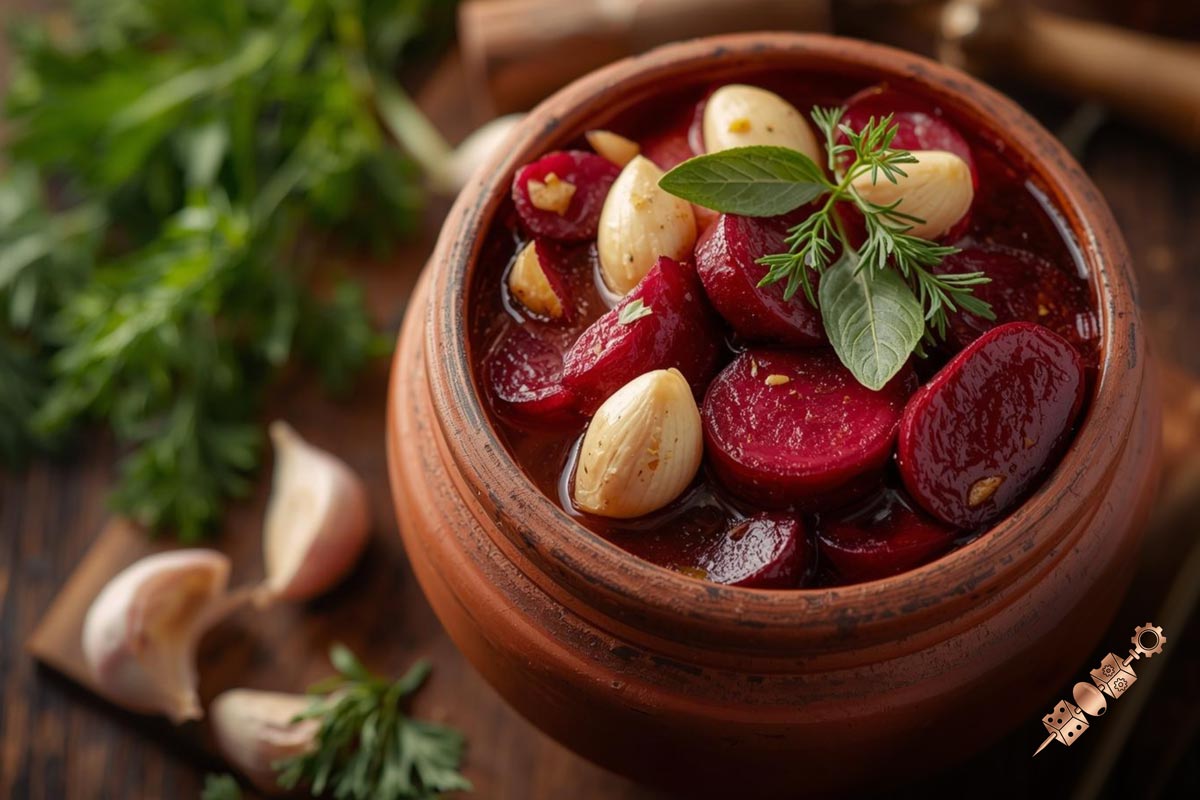
Pickled Beets with Garlic – Authentic Georgian Starter Recipe

Georgian pickled beets with garlic – vibrant, tangy beets preserved in vinegar and spices, served as a colorful starter.
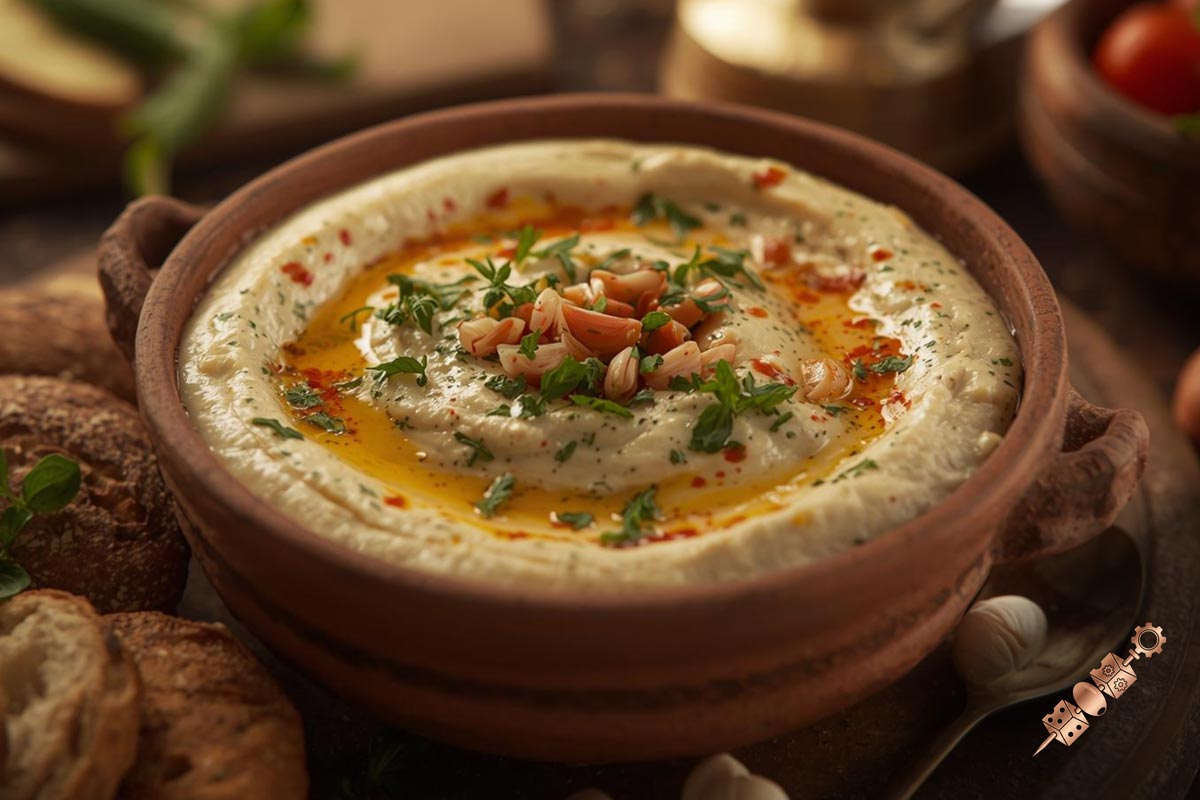
Matsoni Dip – Authentic Georgian Yogurt‑Style Starter

Georgian matsoni dip – yogurt style sauce with herbs and garlic, served as a refreshing starter.
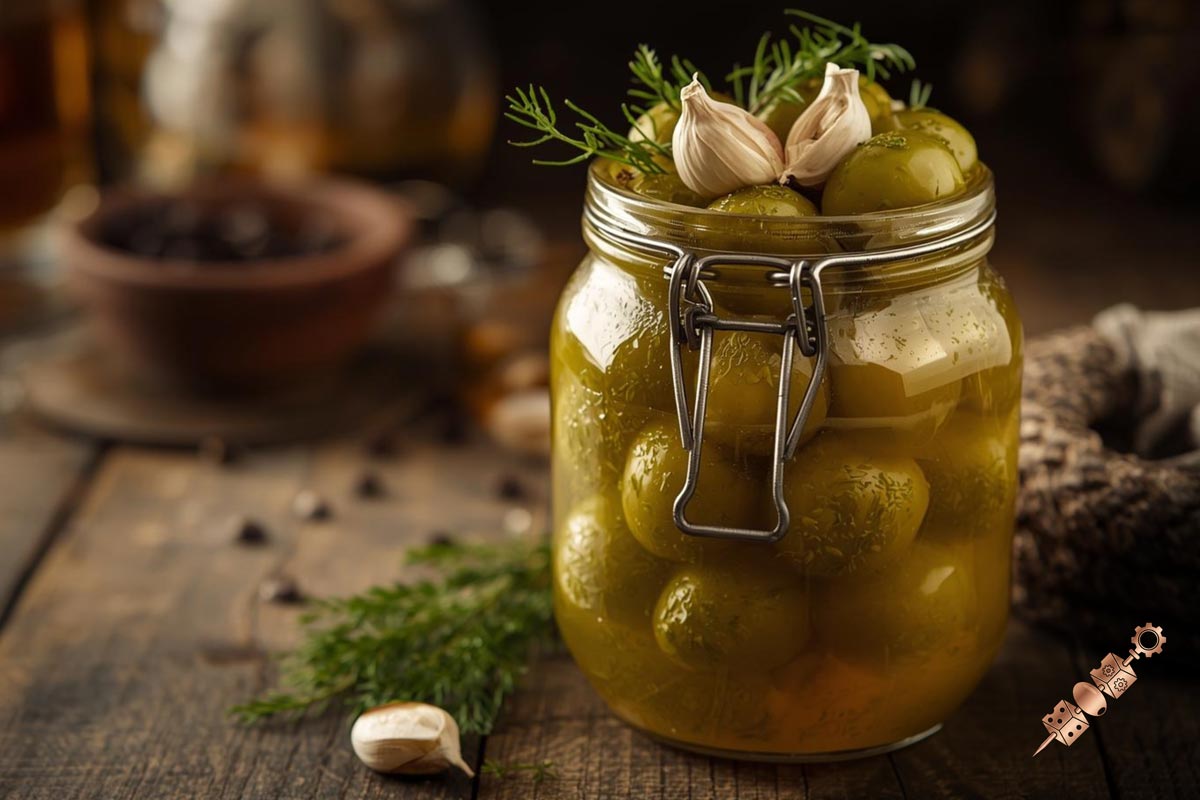
Pickled Green Tomatoes – Authentic Georgian Starter Recipe

Crisp Georgian pickled green tomatoes – tangy tomatoes preserved in vinegar and spices, served as a refreshing starter.
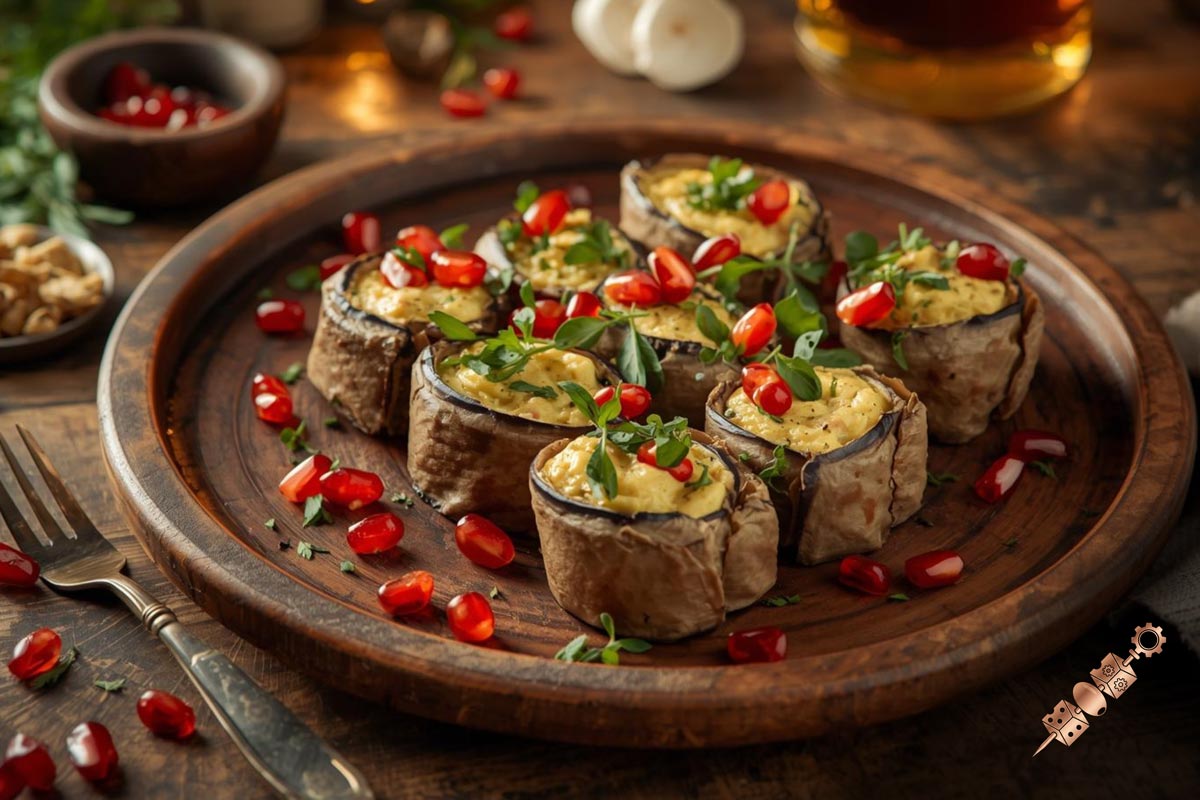
Nigvziani Badrijani – Georgian Eggplant Rolls with Walnut Cream

Georgian nigvziani badrijani – eggplant rolls filled with walnut cream, garnished with pomegranate seeds, a festive starter.
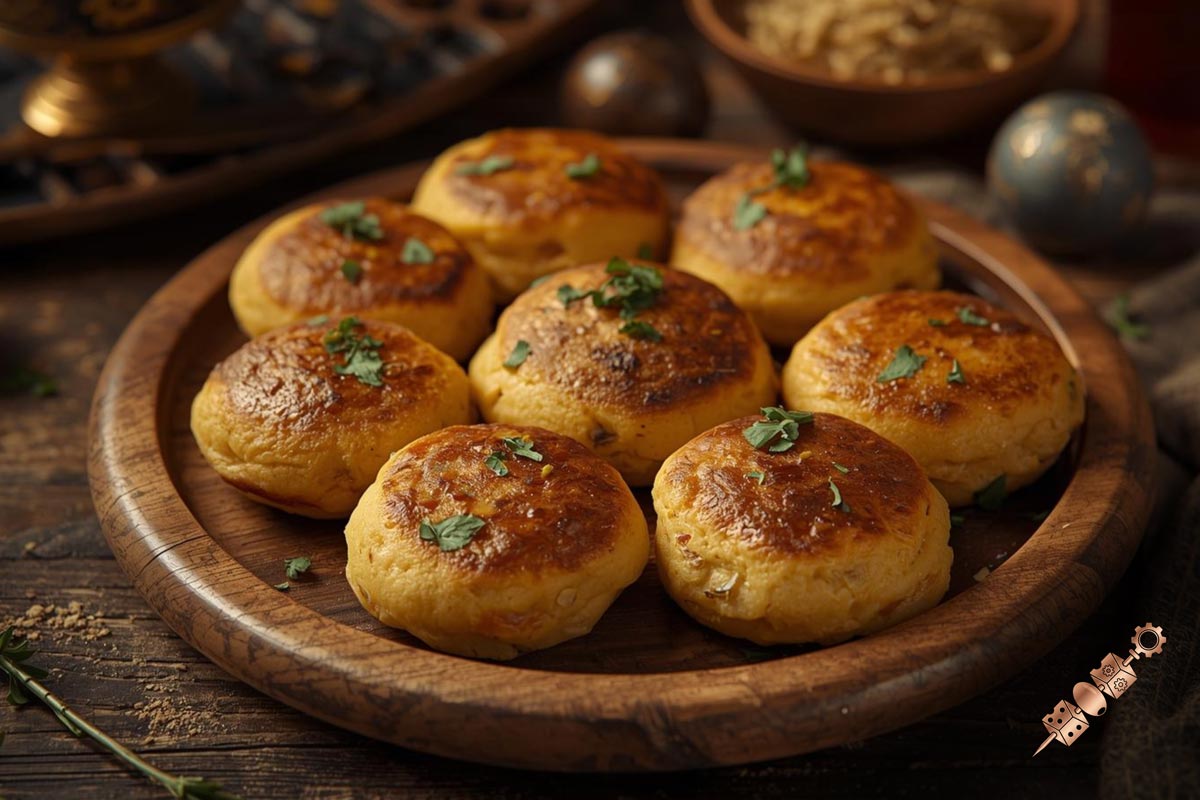
Chvishtari – Georgian Cornbread with Cheese Filling

Georgian chvishtari – golden cornbread stuffed with sulguni cheese, served warm as a festive starter.
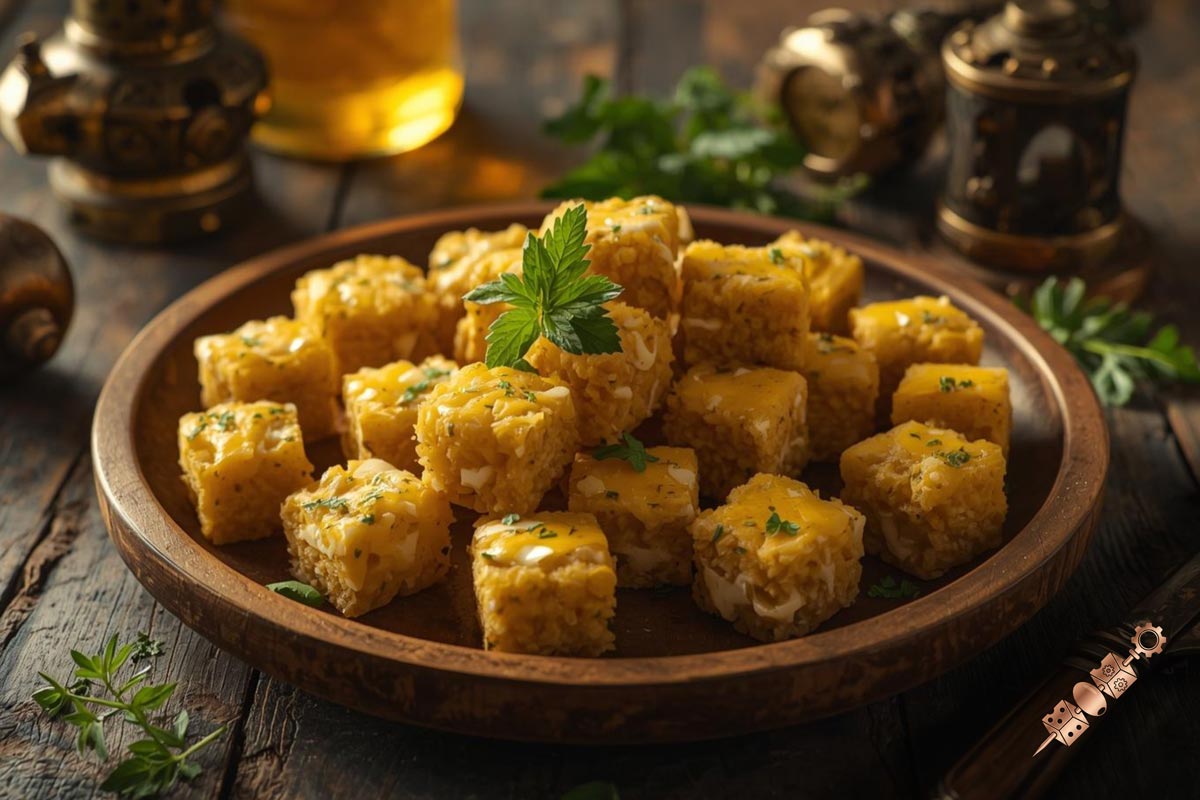
Elarji Bites – Creamy Georgian Cornmeal & Cheese Starter

Georgian elarji bites – creamy cornmeal blended with sulguni cheese, served as bite sized starters full of authentic flavor.
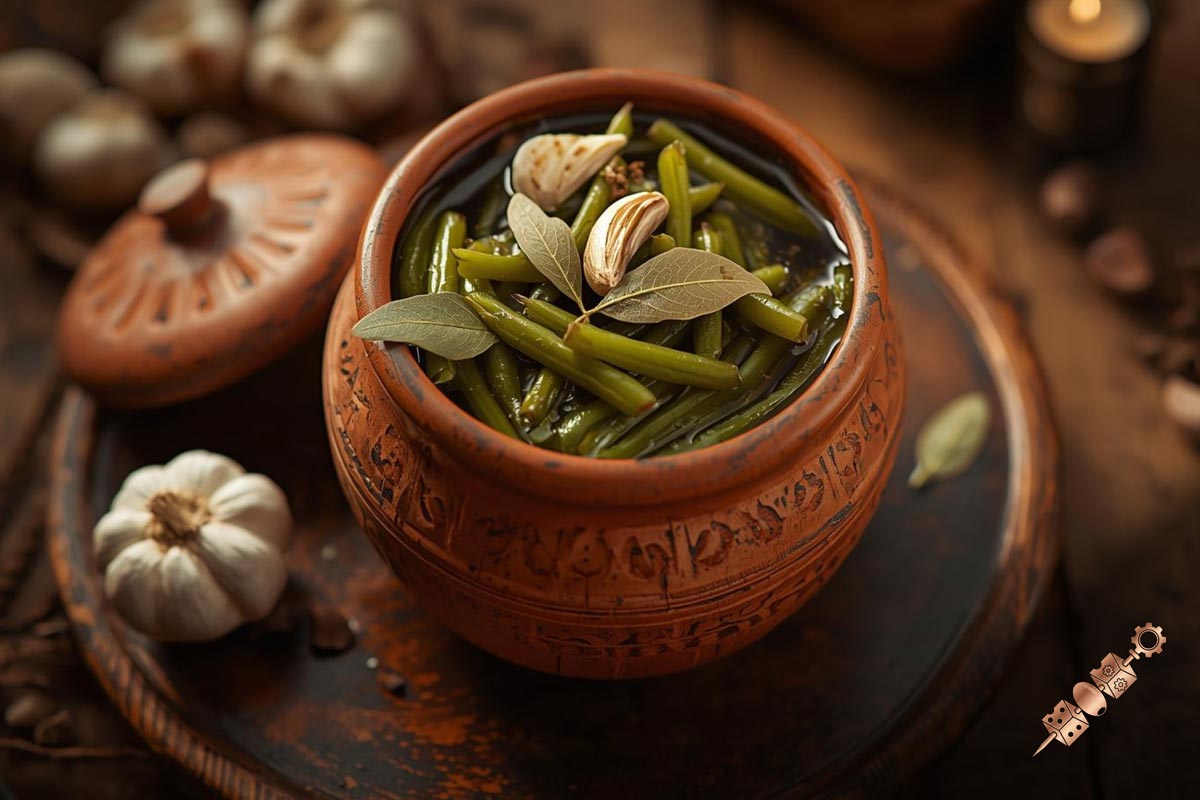
Pickled Green Beans – Authentic Georgian Starter Recipe

Crisp Georgian pickled green beans – tangy beans preserved in vinegar and spices, served as a refreshing starter.
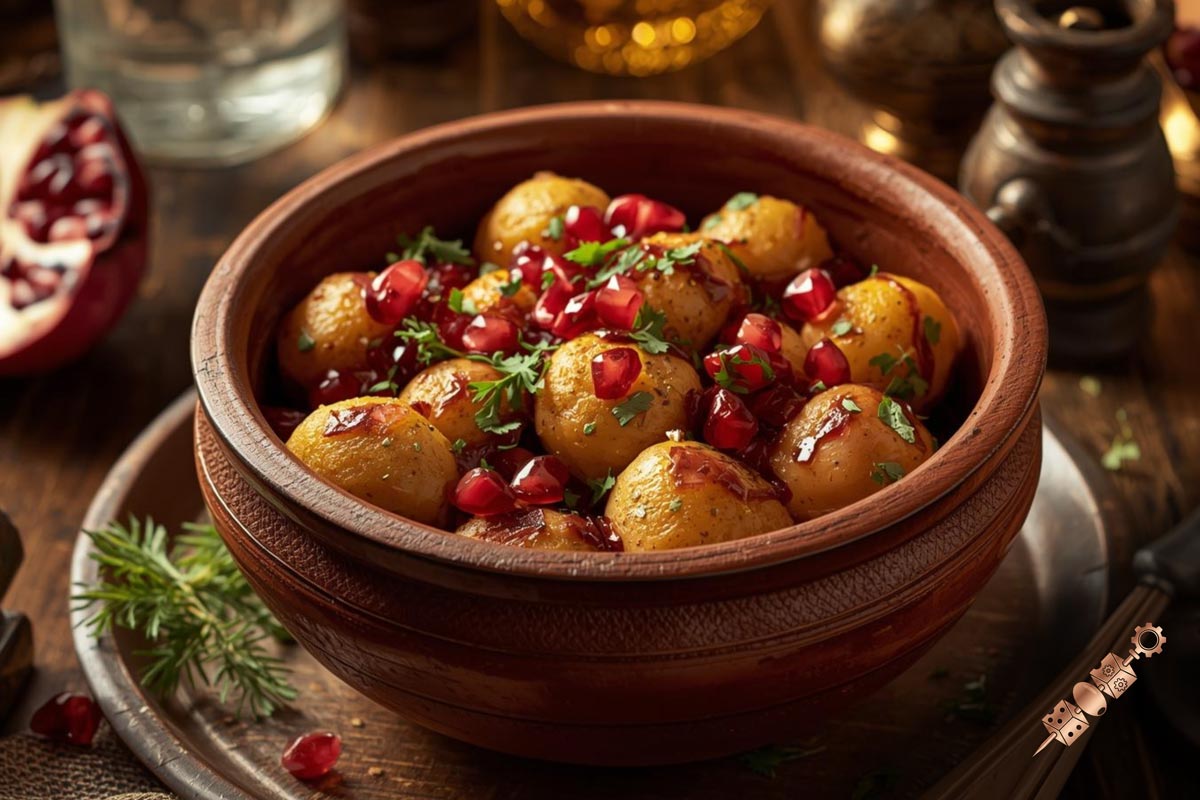
Potato Pkhali – Authentic Georgian Walnut Spread

Georgian potato pkhali – mashed potatoes blended with walnuts and herbs, served chilled as a refreshing starter.
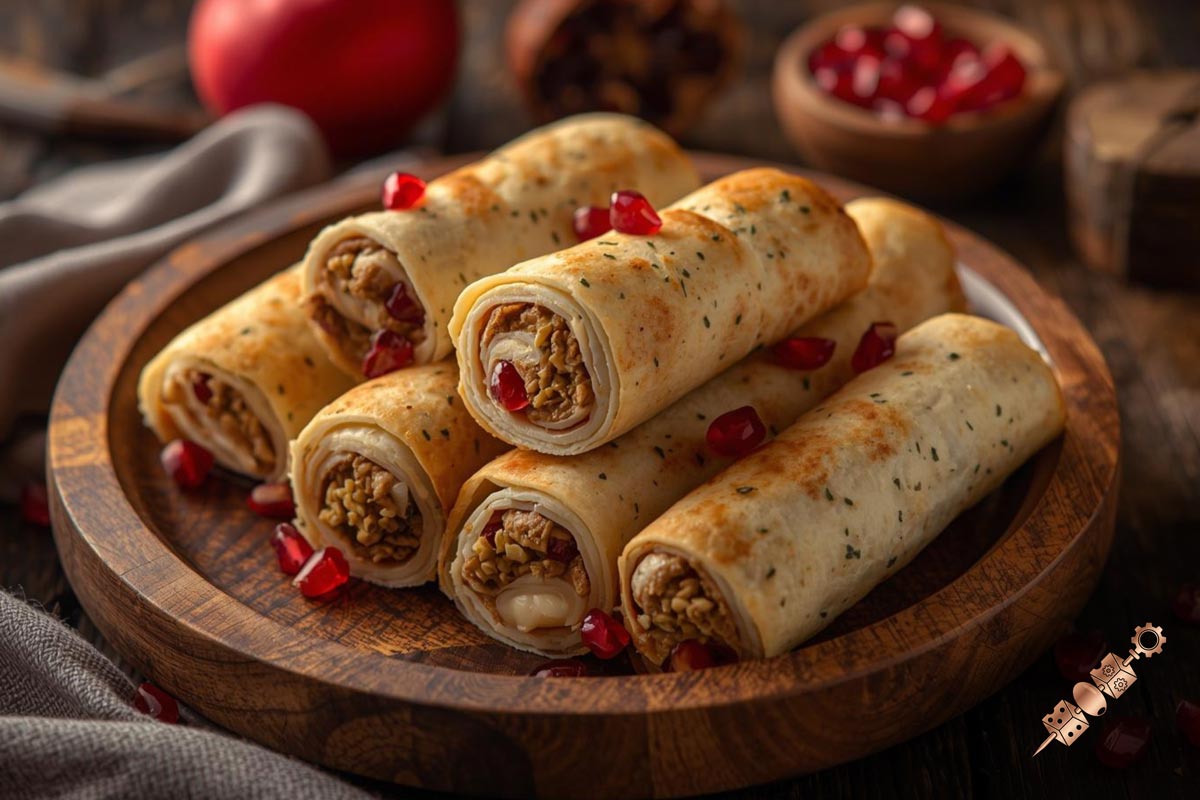
Sulguni Rolls – Authentic Georgian Cheese Starter

Georgian sulguni rolls – cheese slices filled with walnuts and herbs, a festive starter full of authentic flavor.
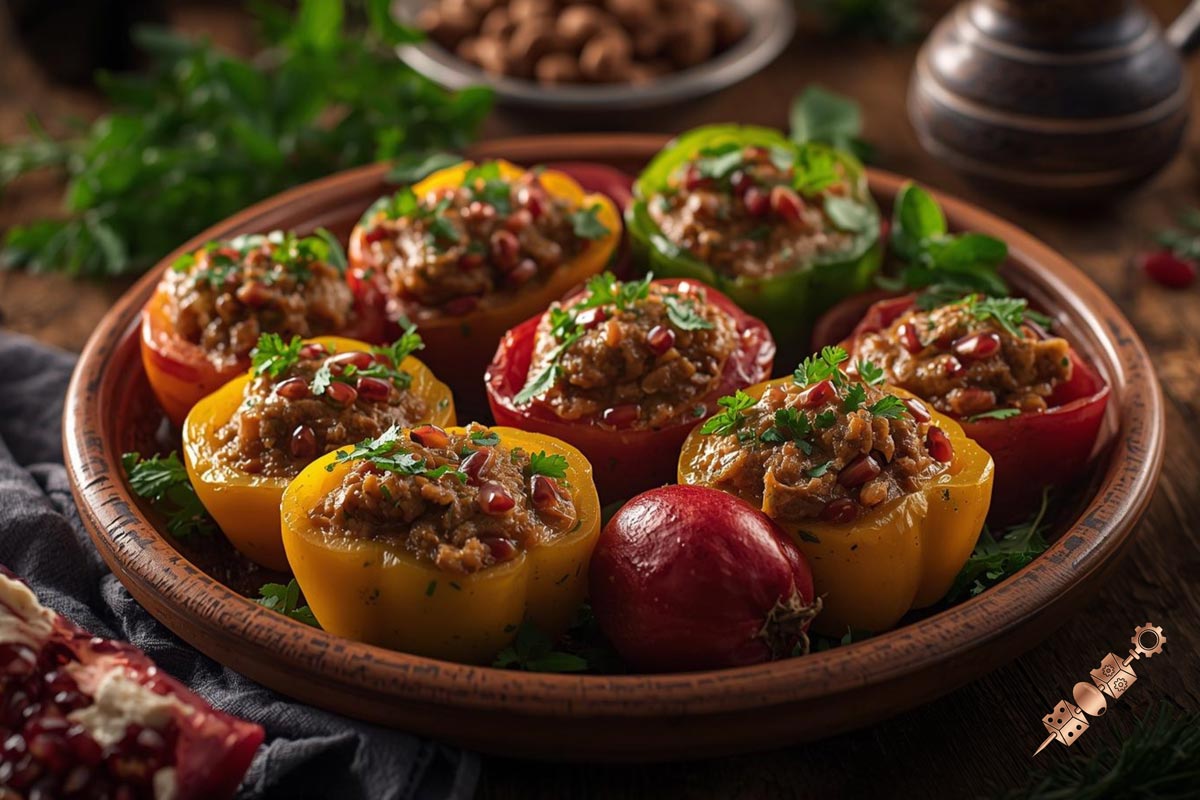
Pickled Peppers with Walnut Filling – Georgian Starter

Colorful Georgian pickled peppers stuffed with walnut paste – a tangy, nutty starter full of authentic flavor.
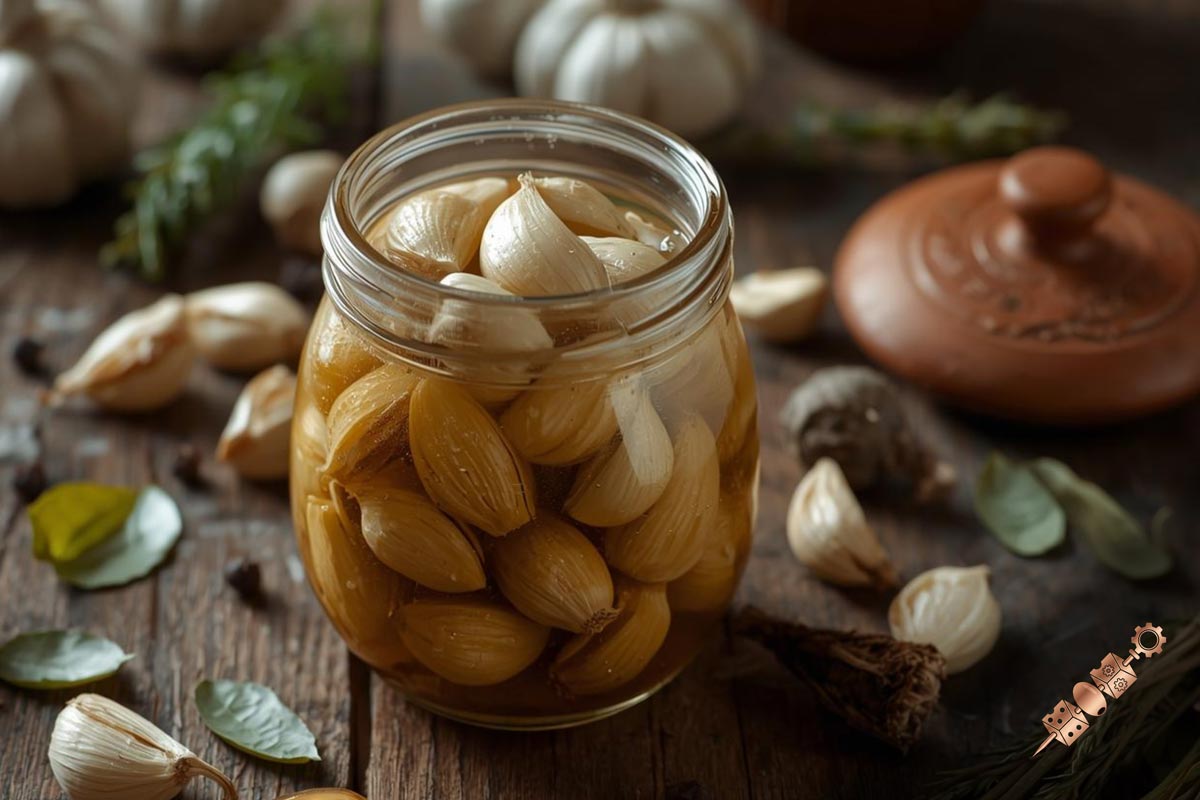
Pickled Garlic – Bold Georgian Starter

Tangy Georgian pickled garlic – mellow cloves preserved in vinegar and spices, served as a bold traditional starter.
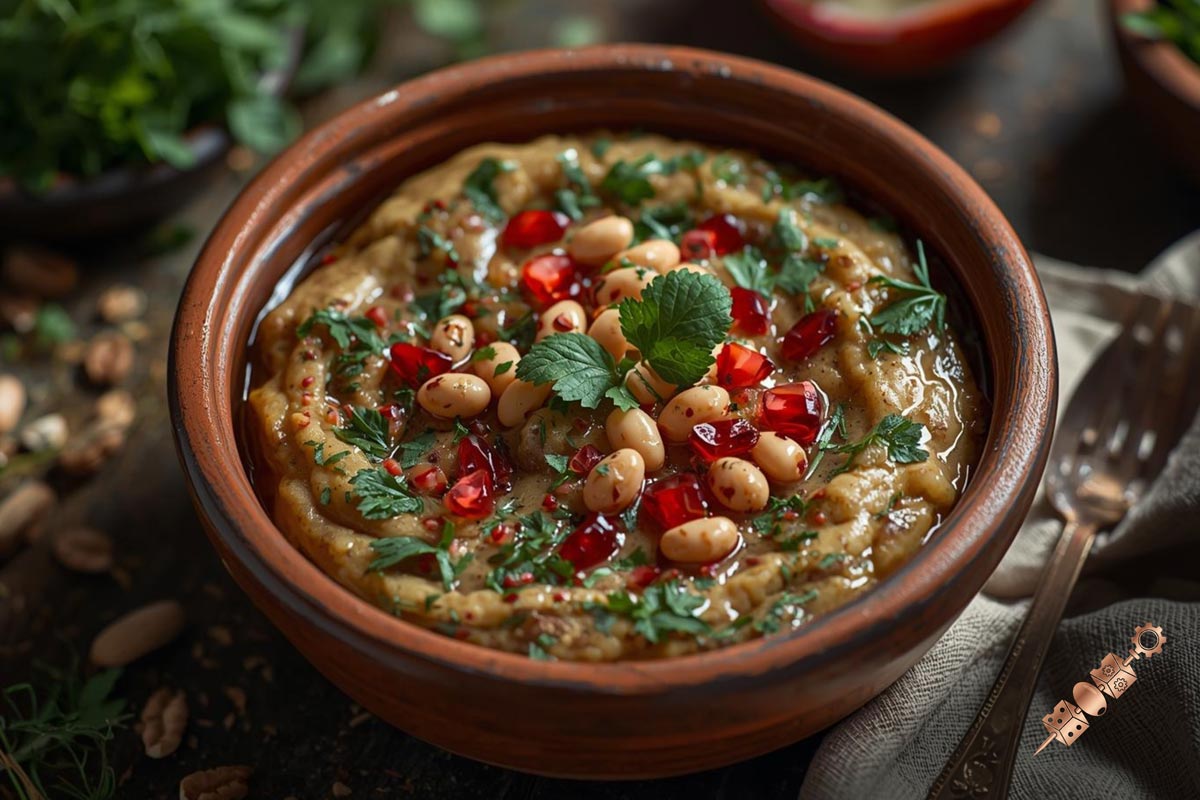
Cold Lobio – Authentic Georgian Bean & Walnut Spread

Cold Georgian lobio – a refreshing bean and walnut spread with herbs, served chilled as a traditional starter.
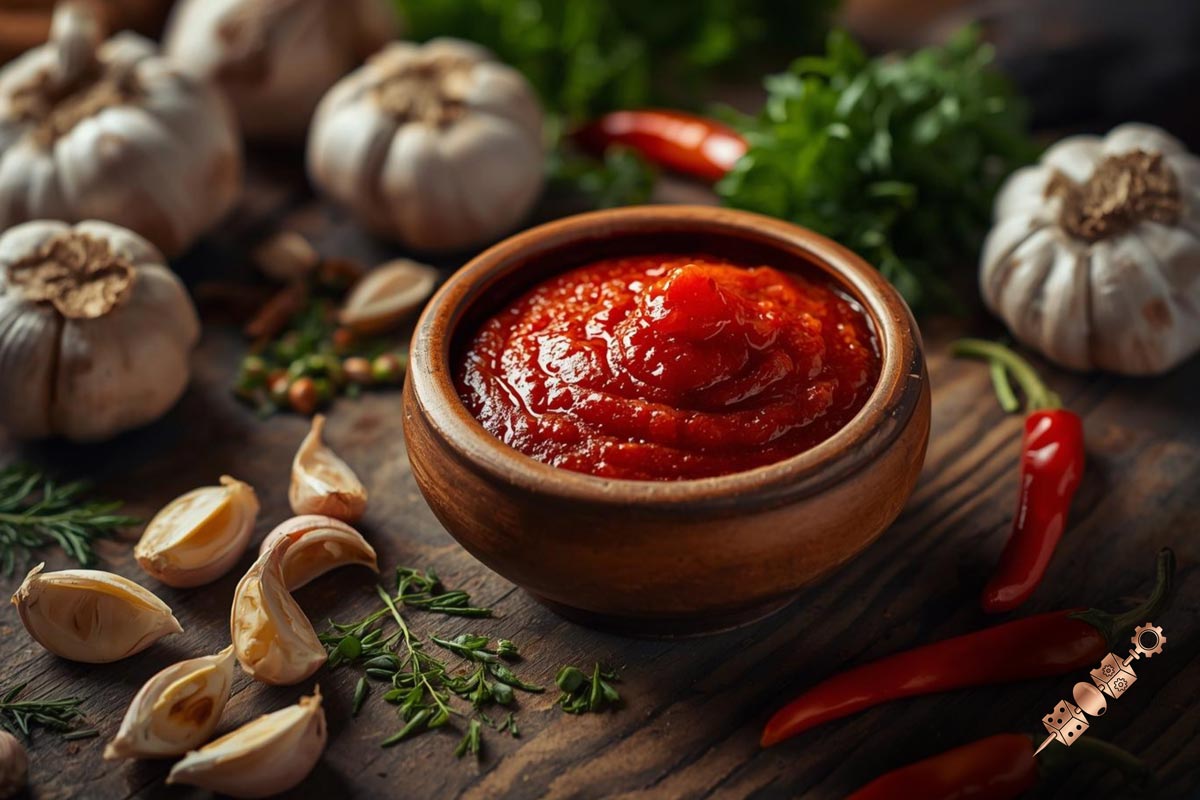
Fiery Georgian Adjika Spread – Authentic Paprika & Garlic Paste

Authentic Georgian adjika spread – a fiery mix of peppers, garlic, and herbs, perfect as a starter or condiment.
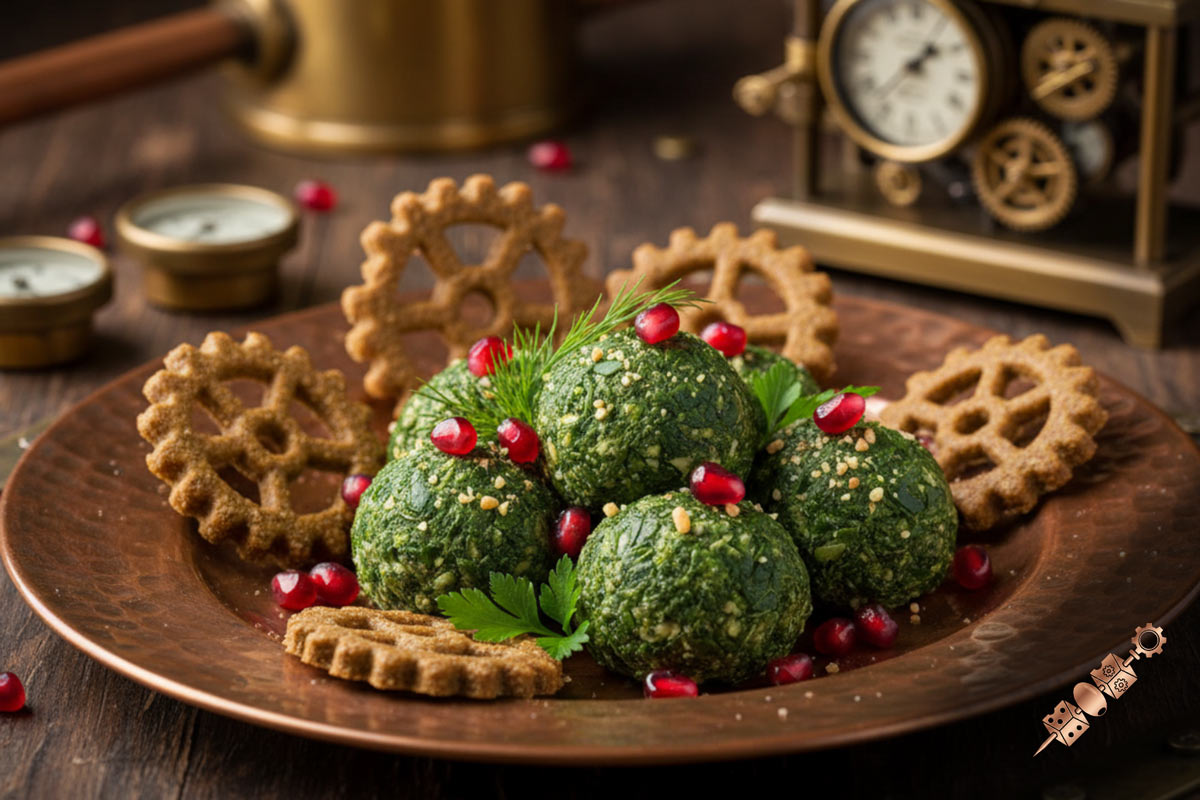
Chrononaut’s Spinach Pkhali – Georgian national dish with spinach and beetroot

Spinach Pkhali is a classic Georgian appetizer made from finely chopped spinach blended with walnuts, garlic, and aromatic spices. Known

Georgian Soups and Stews

Georgian Soups and Stews
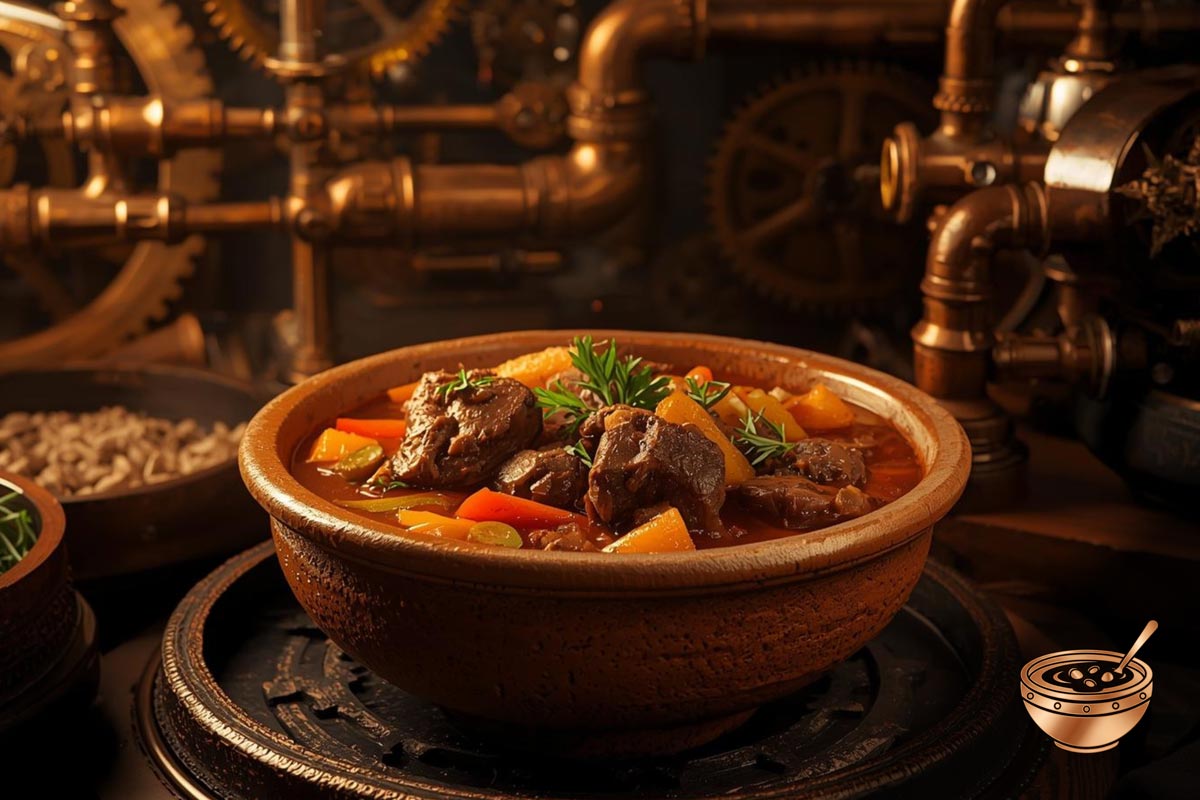
Chanakhi – Georgian Lamb and Vegetable Stew

Chanakhi is a Georgian lamb and vegetable stew — a hearty, rustic dish that blends countryside tradition with rich flavor.
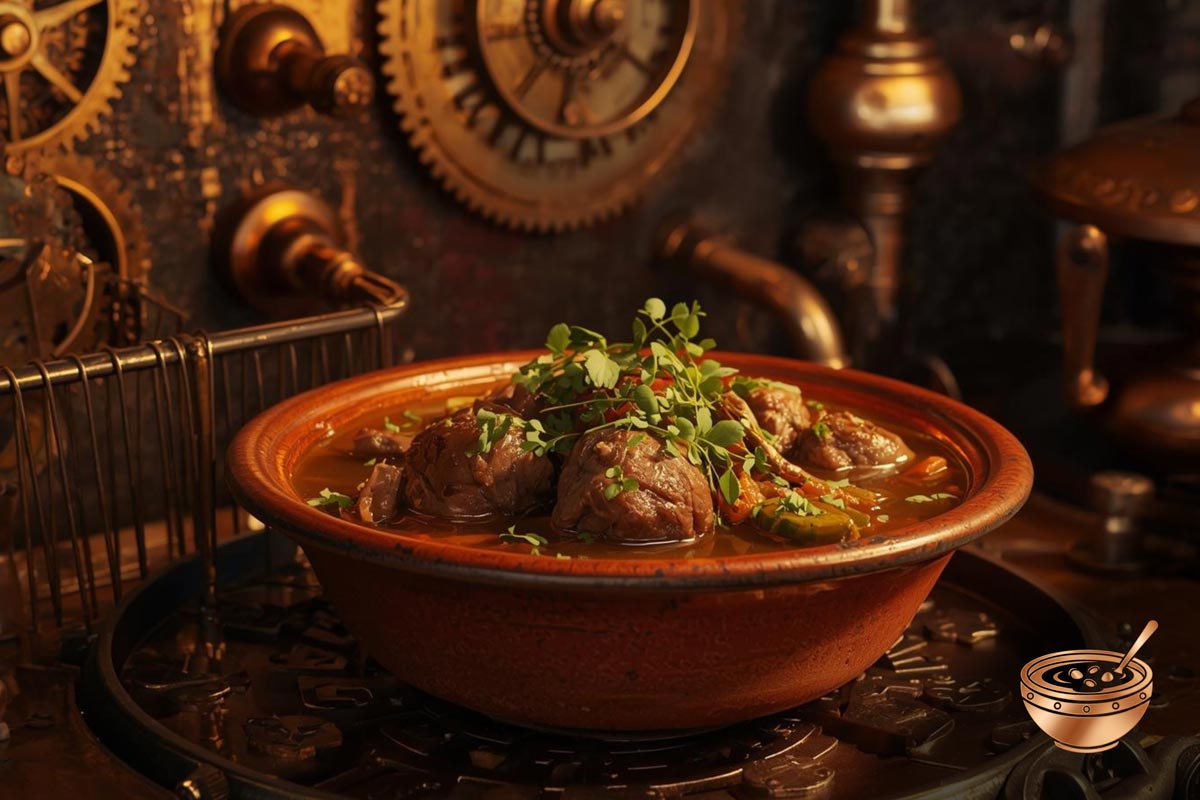
Chakapuli – Georgian Lamb and Tarragon Stew

Chakapuli is a Georgian lamb and tarragon stew with herbs and wine — a hearty, aromatic dish that blends rustic
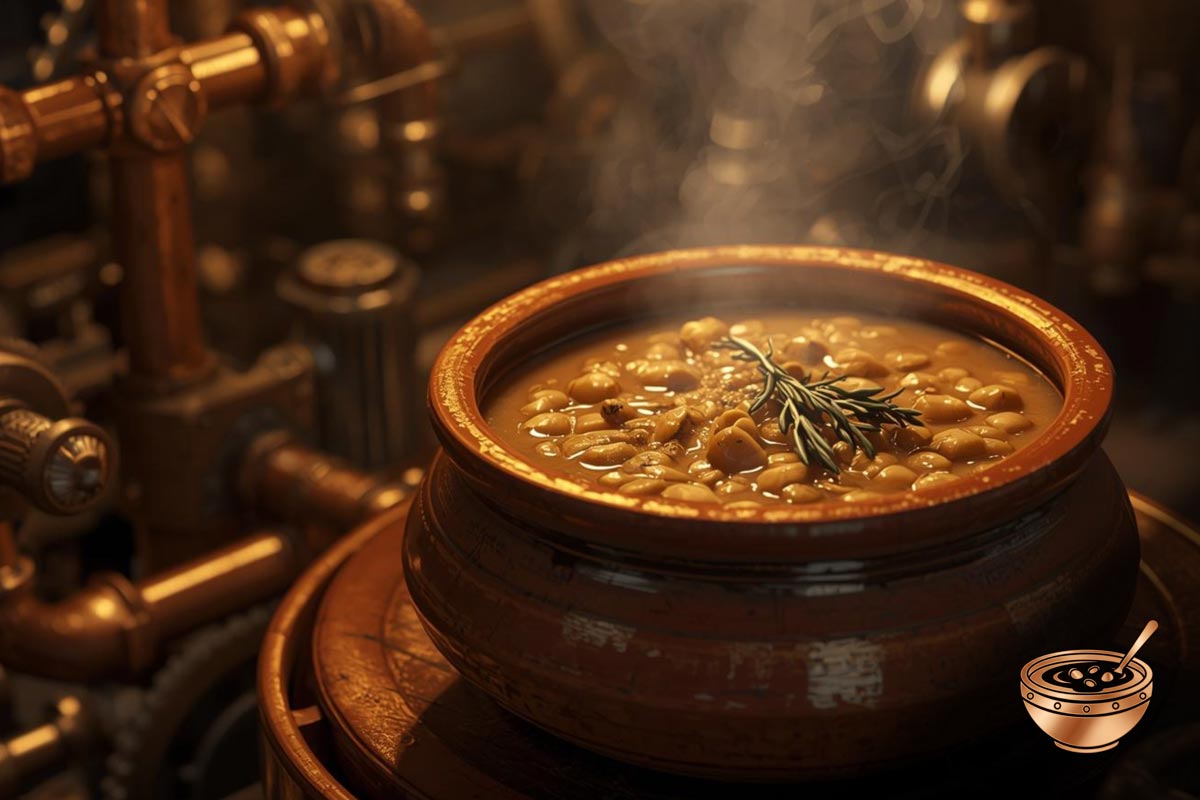
Lentil Soup – Georgian Lentil Variation

Georgian lentil soup is a rustic stew with herbs and spices — a hearty, nutritious dish that blends tradition with
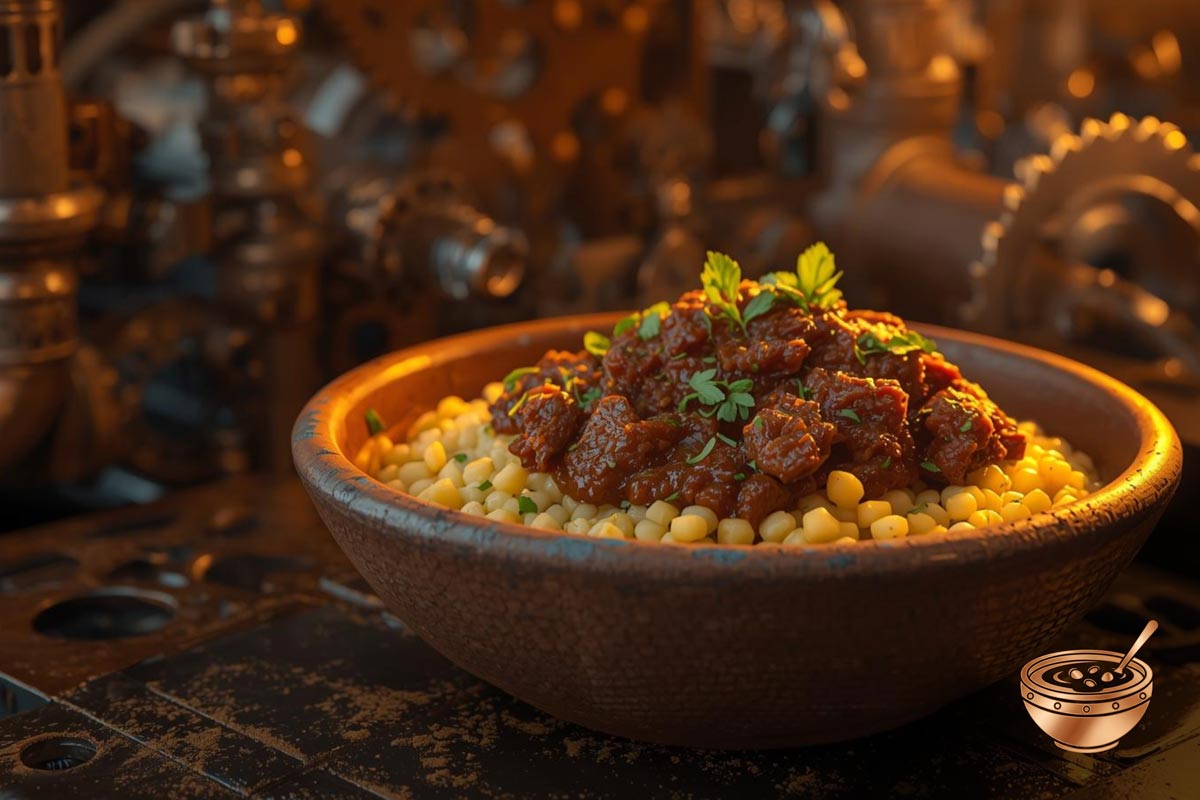
Ghomi with Meat Ragout – Georgian Cornmeal Dish with Stew

Ghomi is a Georgian cornmeal dish topped with meat ragout — a hearty, rustic meal that blends simple grains with
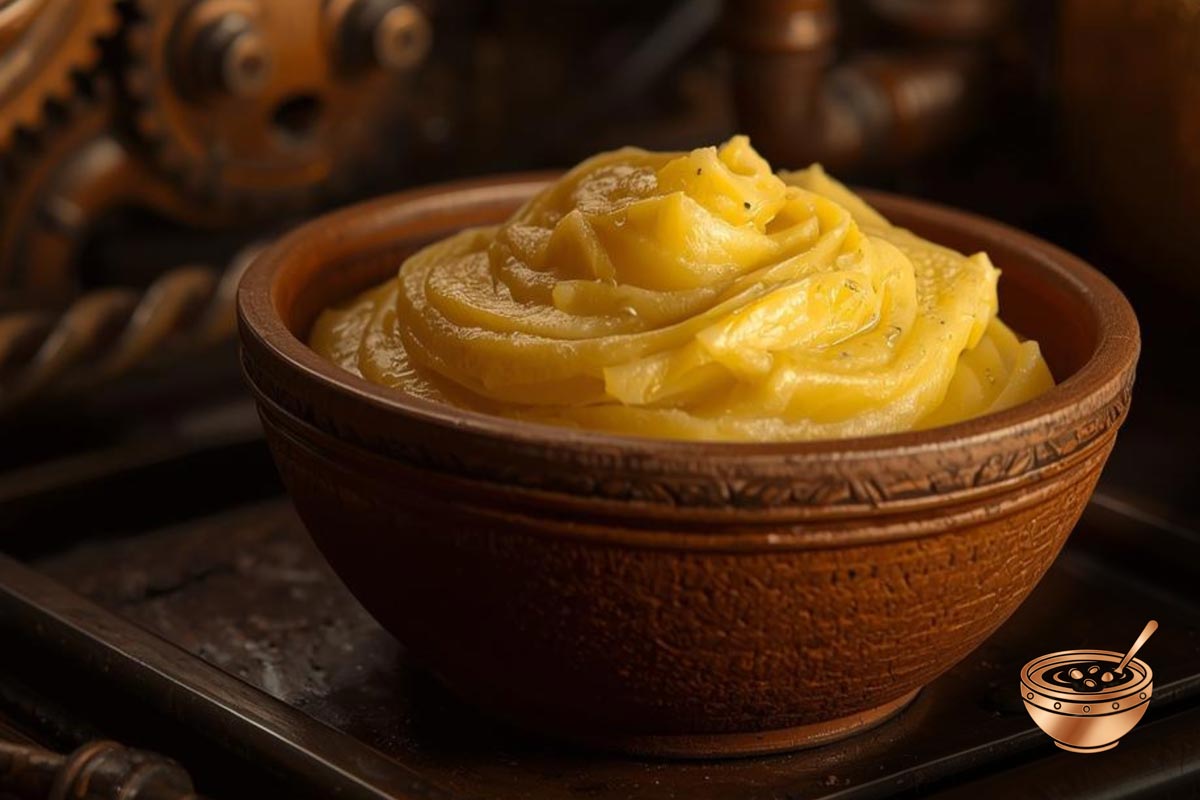
Tashmijabi – Georgian Potato‑Cheese Purée

Tashmijabi is a Georgian potato cheese purée with sulguni — a hearty, elastic dish that blends rustic comfort with rich
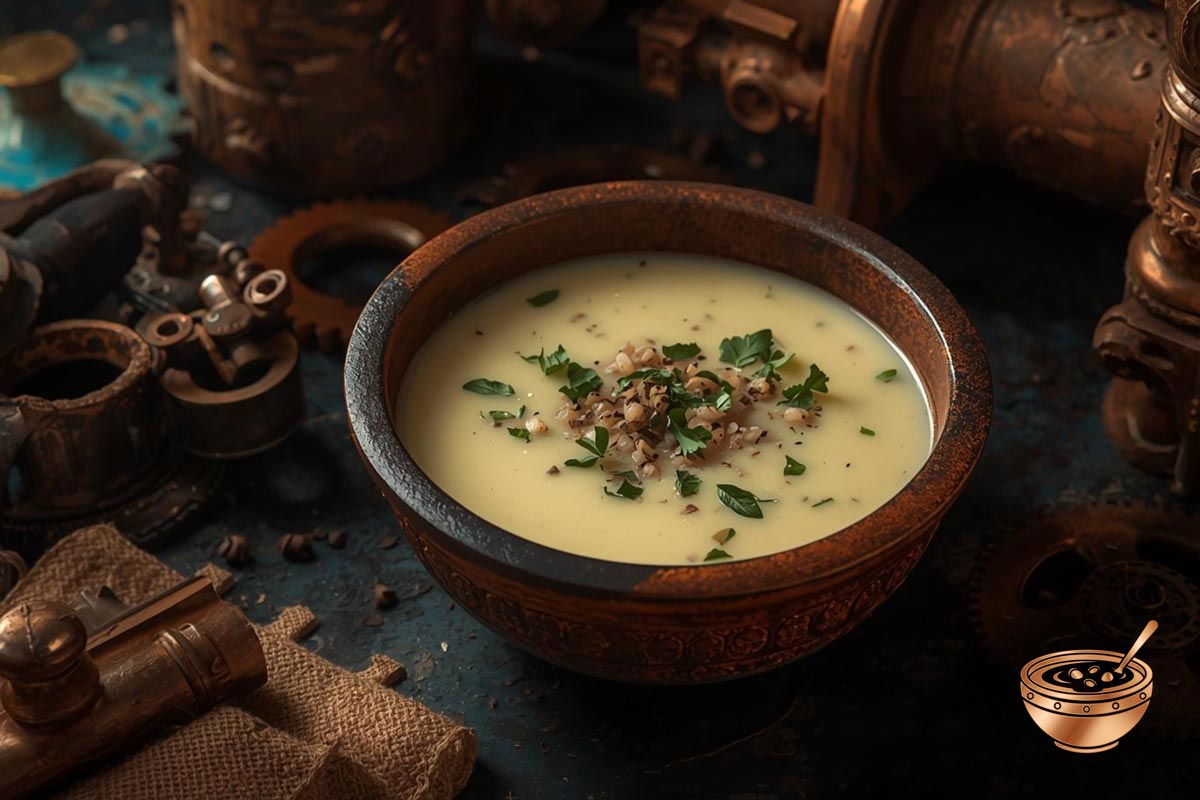
Matsvnis Supi – Georgian Yogurt Soup

Matsvnis Supi is a Georgian yogurt soup with herbs and rice — a refreshing, probiotic dish that blends tradition with
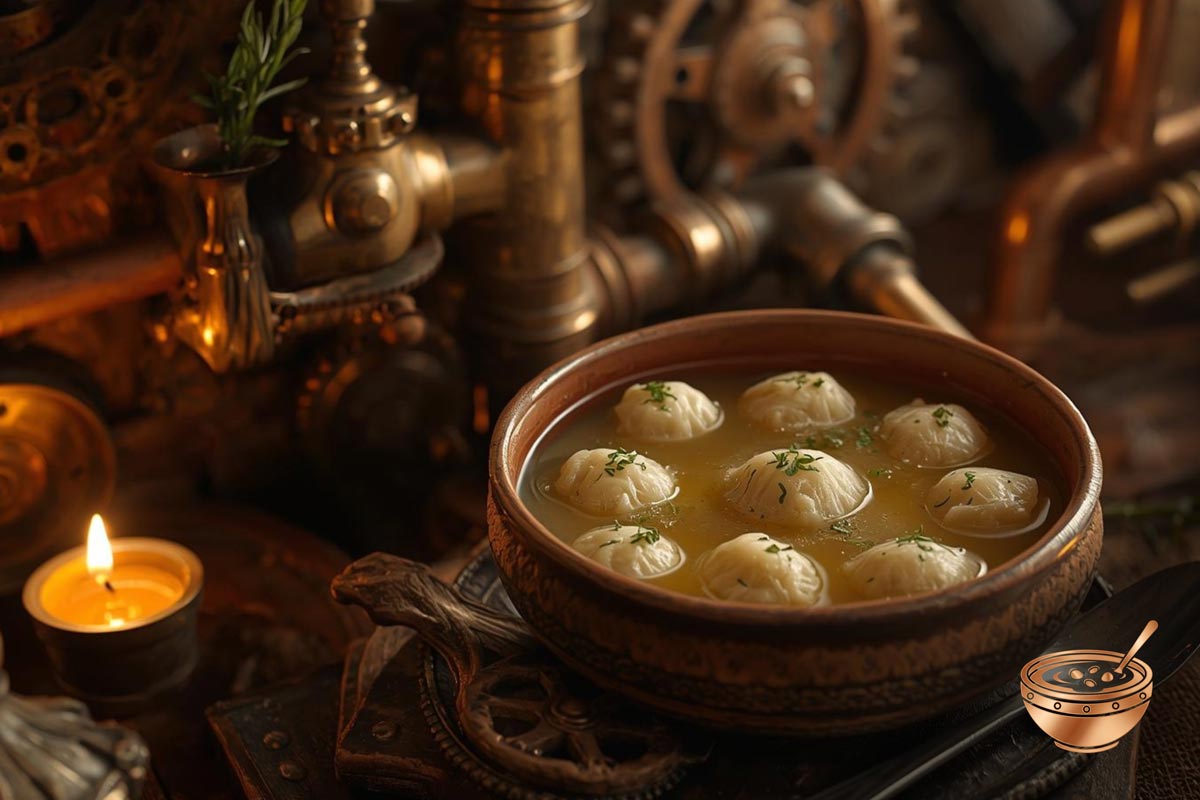
Dushbara – Georgian Mini Dumplings in Broth

Dushbara is a Georgian dumpling soup with tiny meat parcels in broth — a comforting, traditional dish rich in flavor
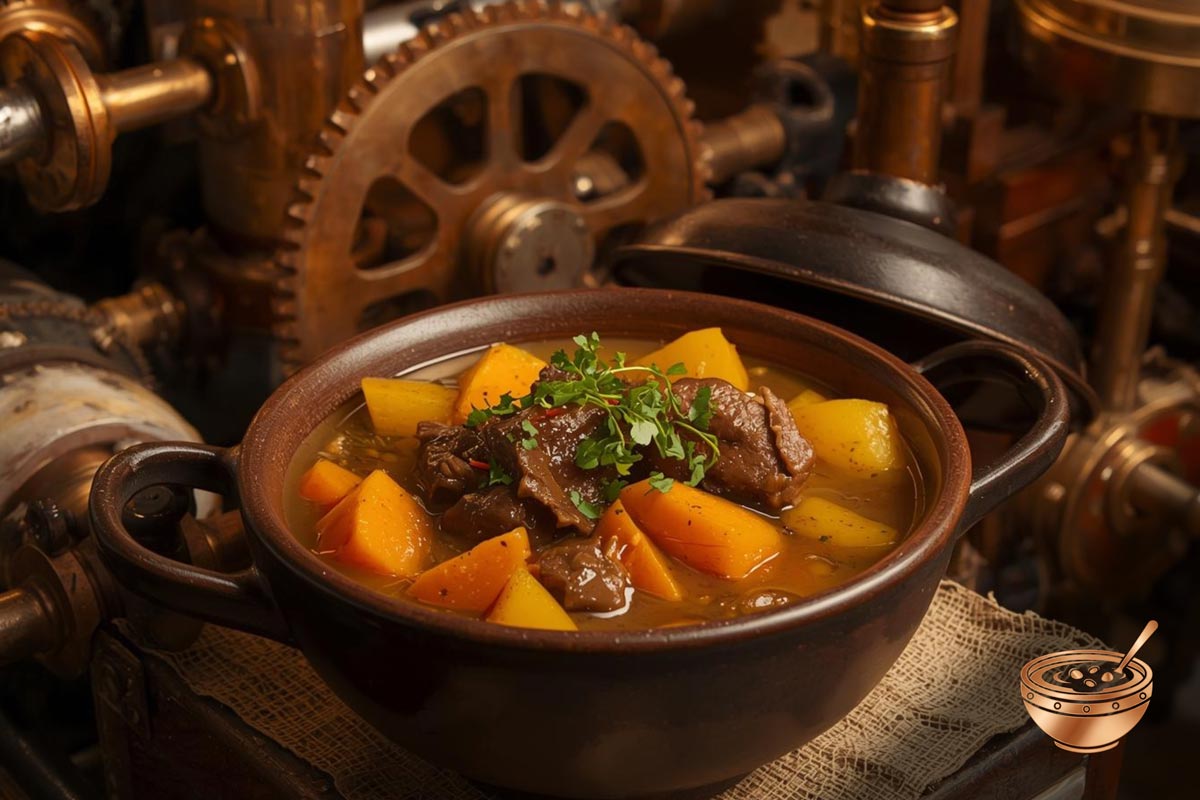
Bozbashi – Georgian Lamb Stew

Bozbashi is a Georgian lamb stew with potatoes and carrots — a hearty, aromatic dish that blends rustic tradition with
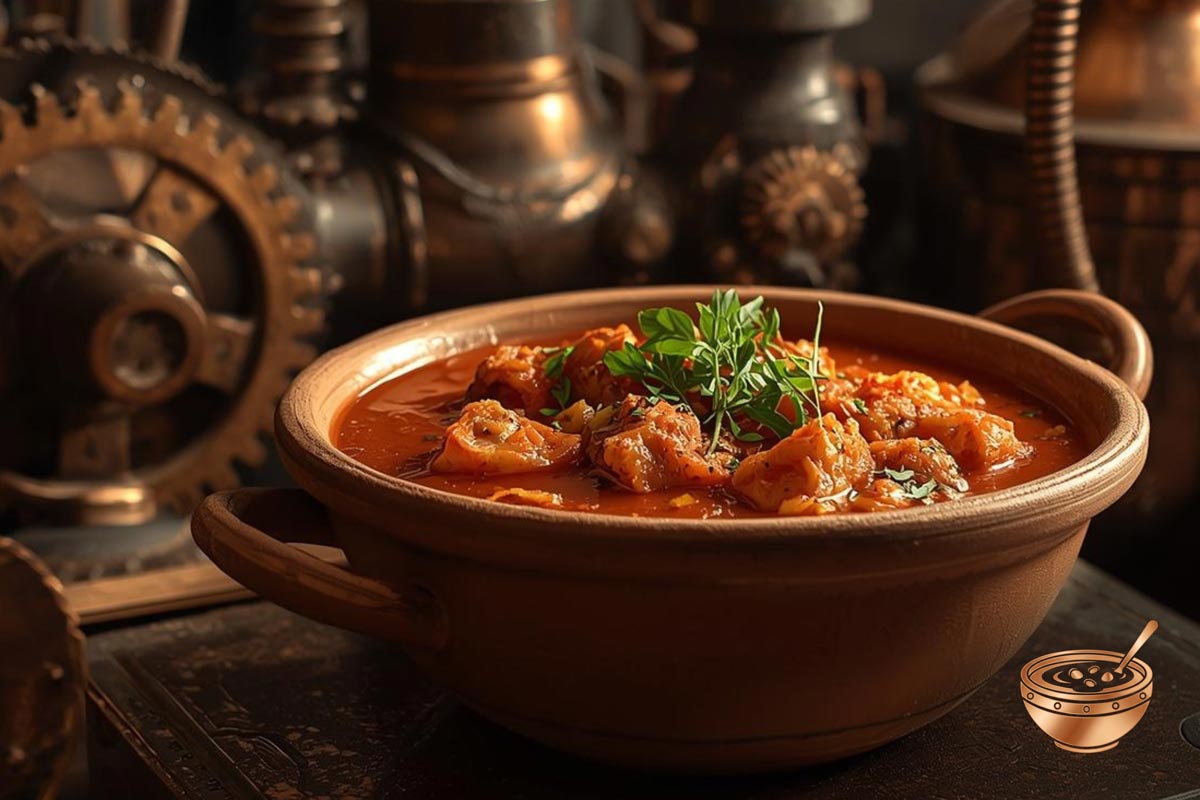
Chakhokhbili – Georgian Chicken and Tomato Stew

Chakhokhbili is a Georgian chicken tomato stew, rich in herbs and flavor — a hearty, traditional dish with rustic charm.
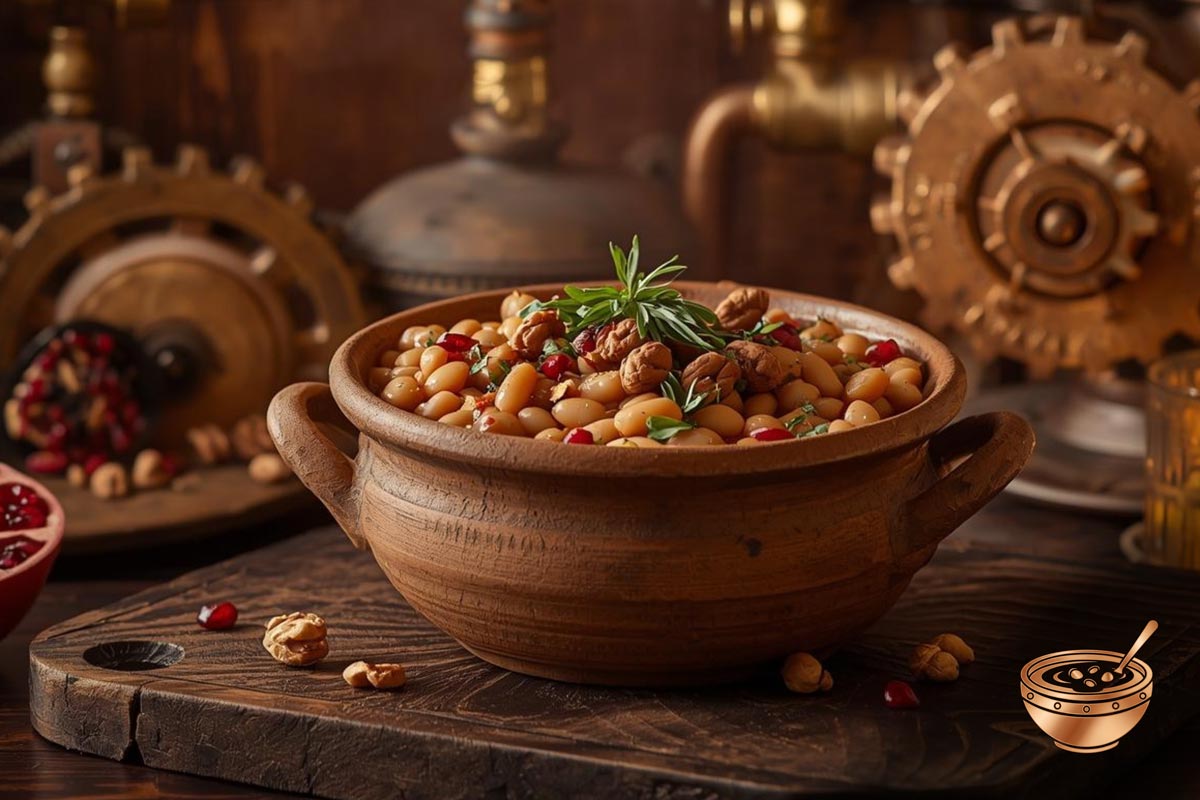
Lobio – Georgian Bean Stew with Walnuts

Lobio is a Georgian bean stew with walnuts, herbs, and vinegar — a versatile, tangy dish served hot or cold,
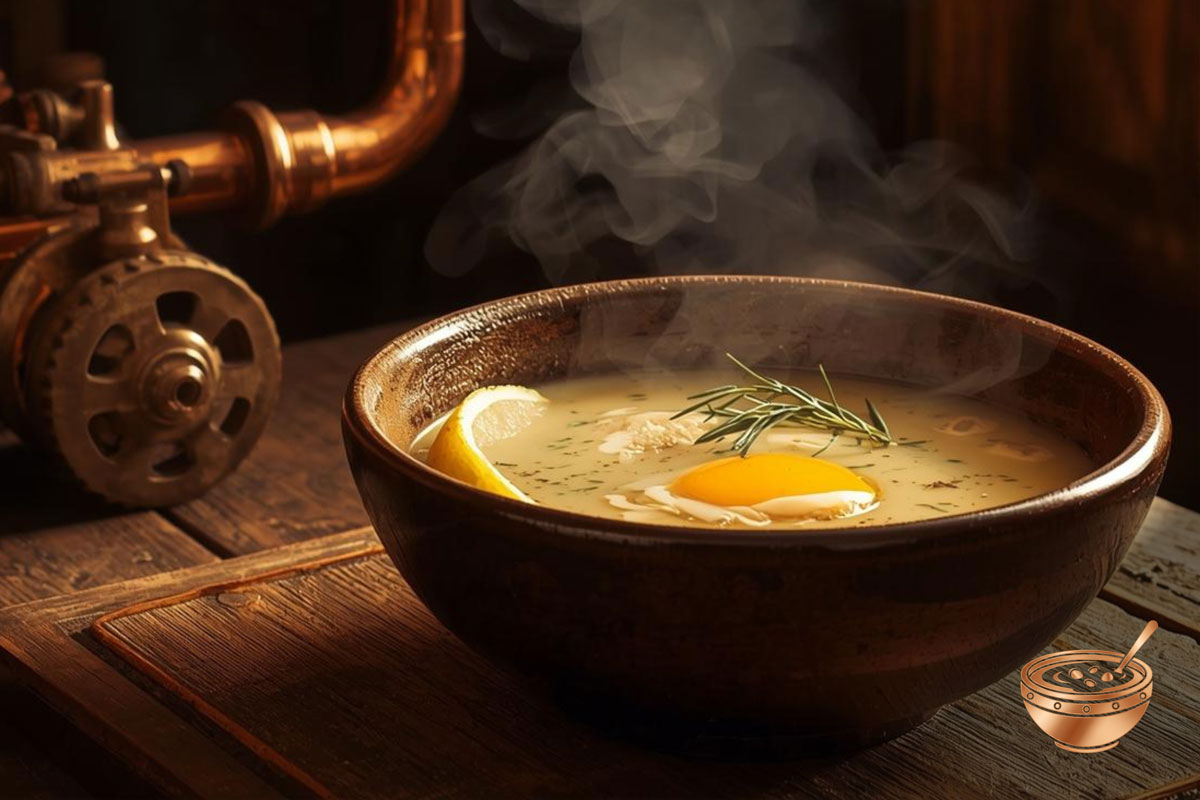
Chikhirtma – Georgian Chicken Soup with Egg and Lemon

Chikhirtma is a traditional Georgian chicken soup that blends tender meat, fresh lemon juice, and whisked eggs into a silky,
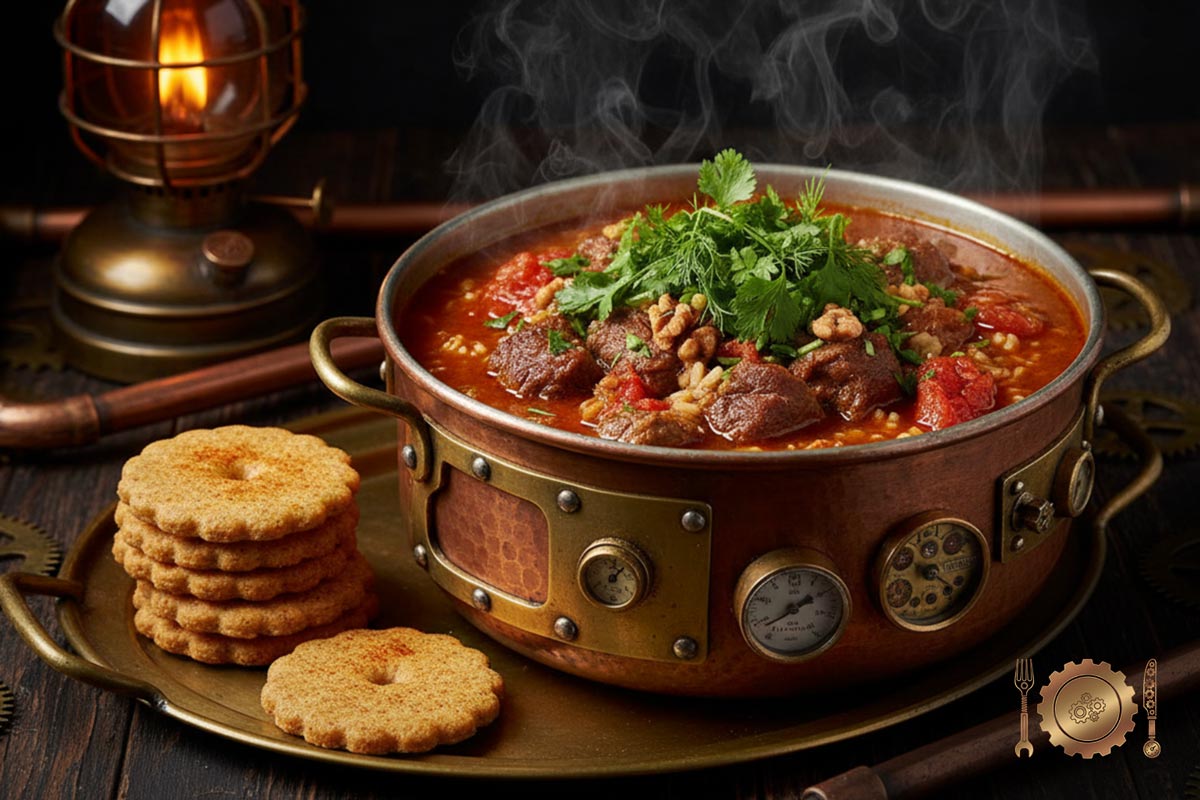
Chrononaut’s Kharcho – A classic Georgian beef stew

Kharcho is a hearty Georgian beef stew simmered with rice, tomatoes, and a blend of spices. Famous for its warming
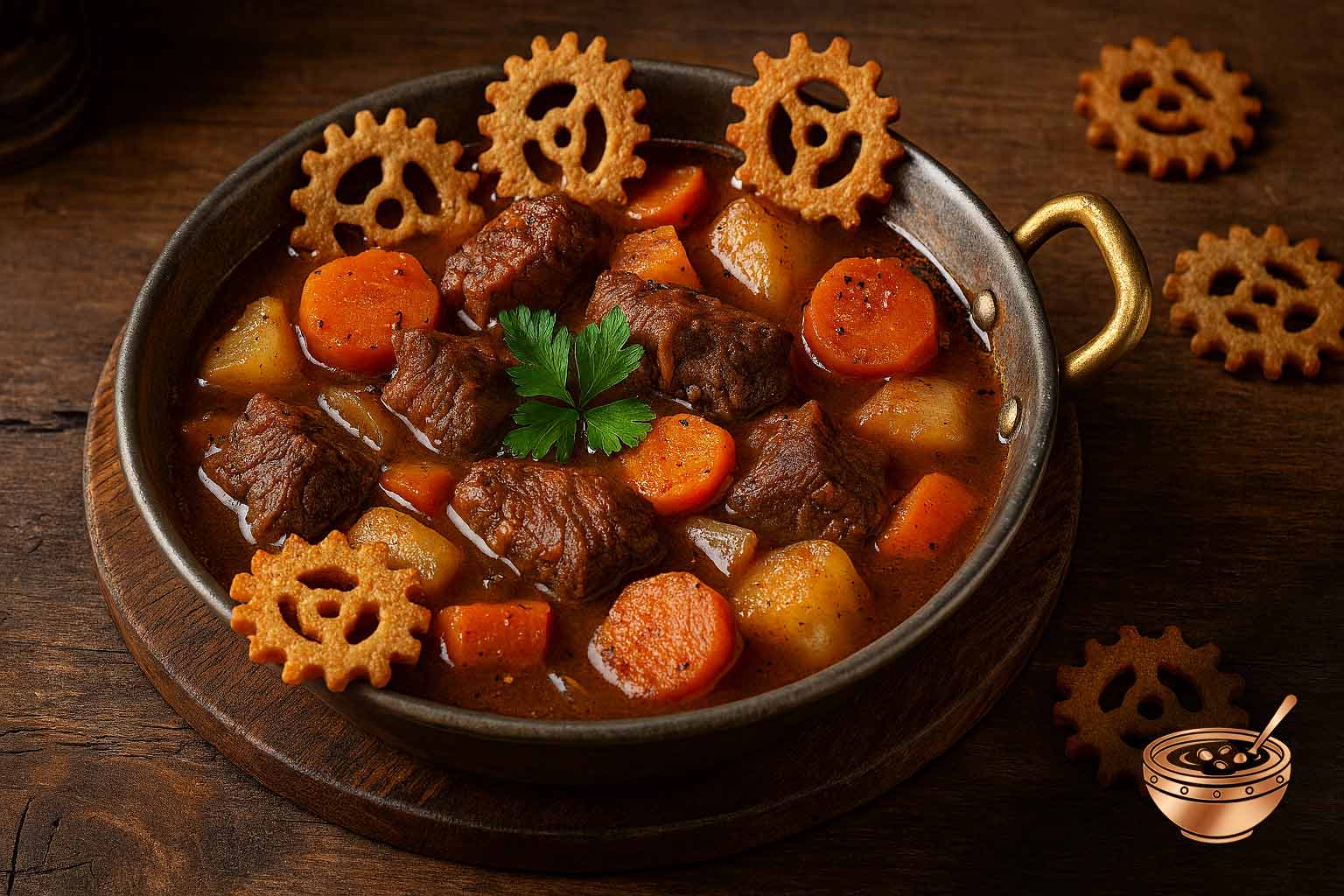
Chrononaut’s Stew – The stew for time travelers

Chrononaut’s Stew is a creative twist on Georgian flavors, blending hearty ingredients into a dish designed for adventurers. Inspired by

Georgian Main and Side Dishes

Georgian Main Dishes and Side Dishes
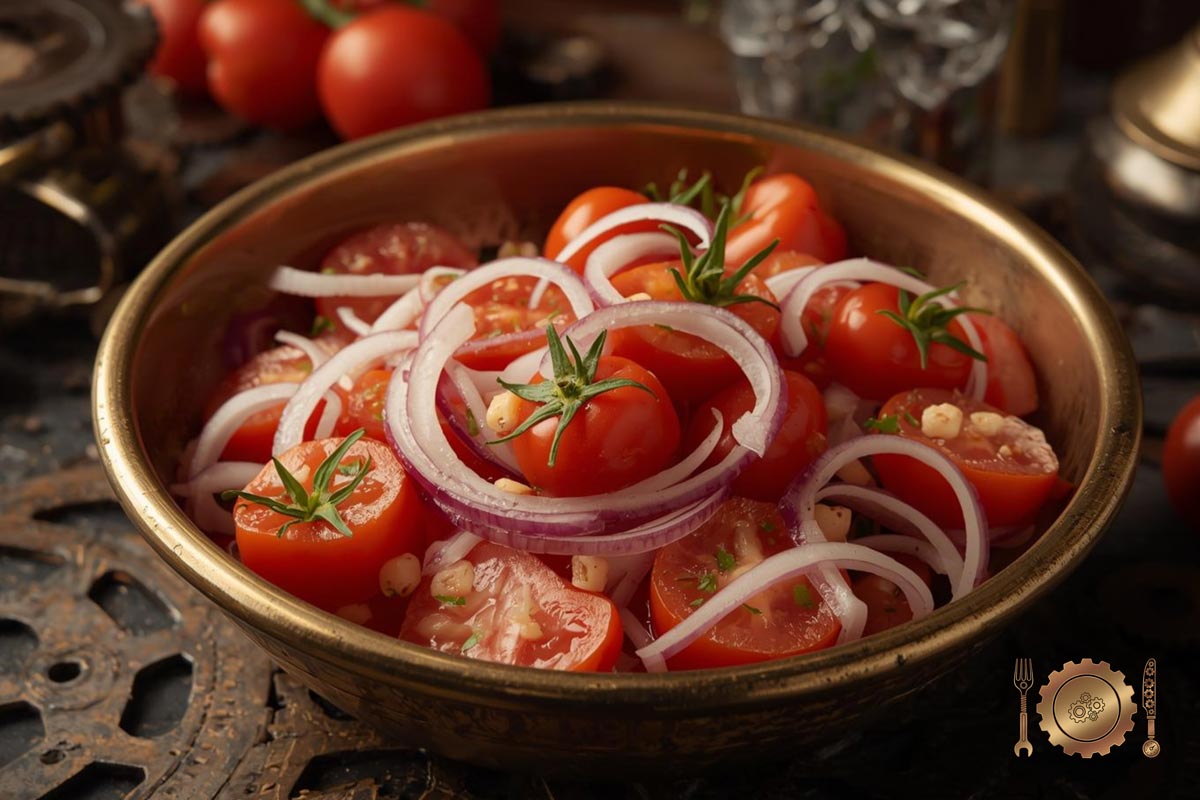
Georgian Tomato Salad With Onions – A Fresh Side Dish

Georgian tomato salad with onions – fresh and vibrant, a cooling side dish reimagined with steampunk flair.
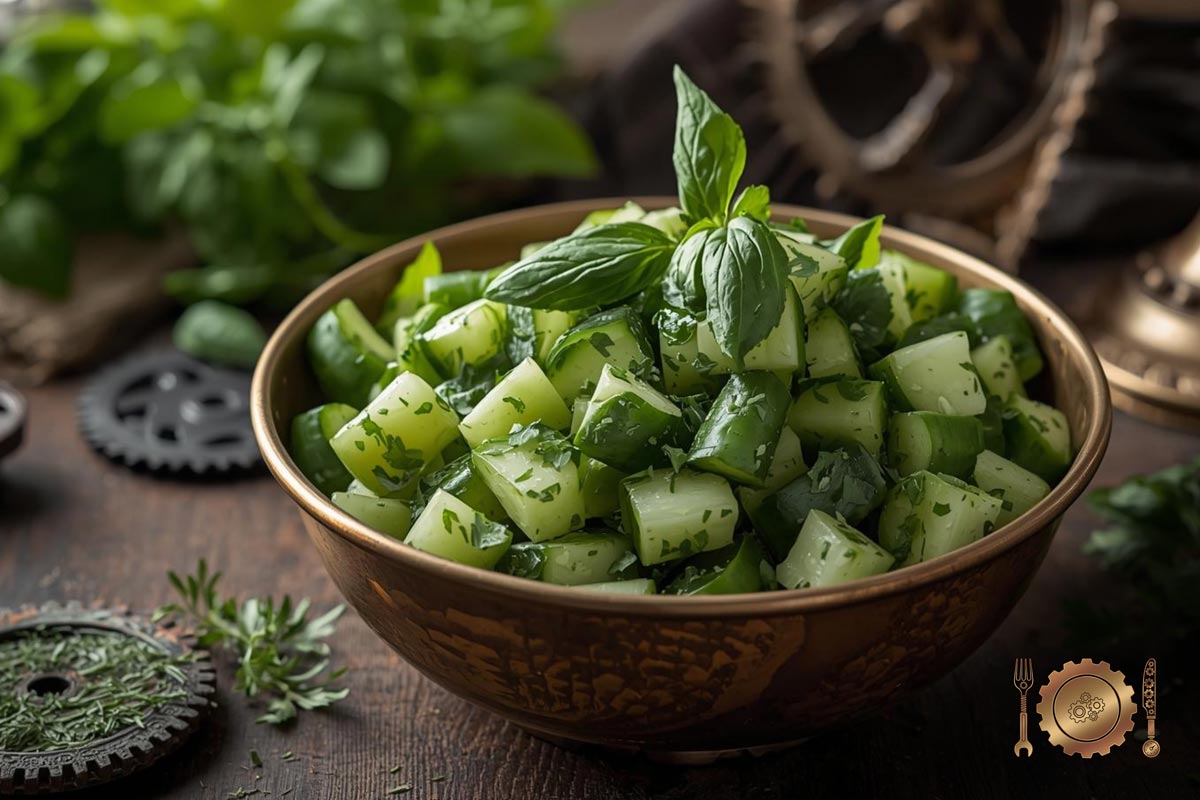
Georgian Cucumber Salad With Herbs – A Fresh Side Dish

Georgian cucumber salad with herbs – fresh and crisp, a cooling side dish reimagined with steampunk flair.
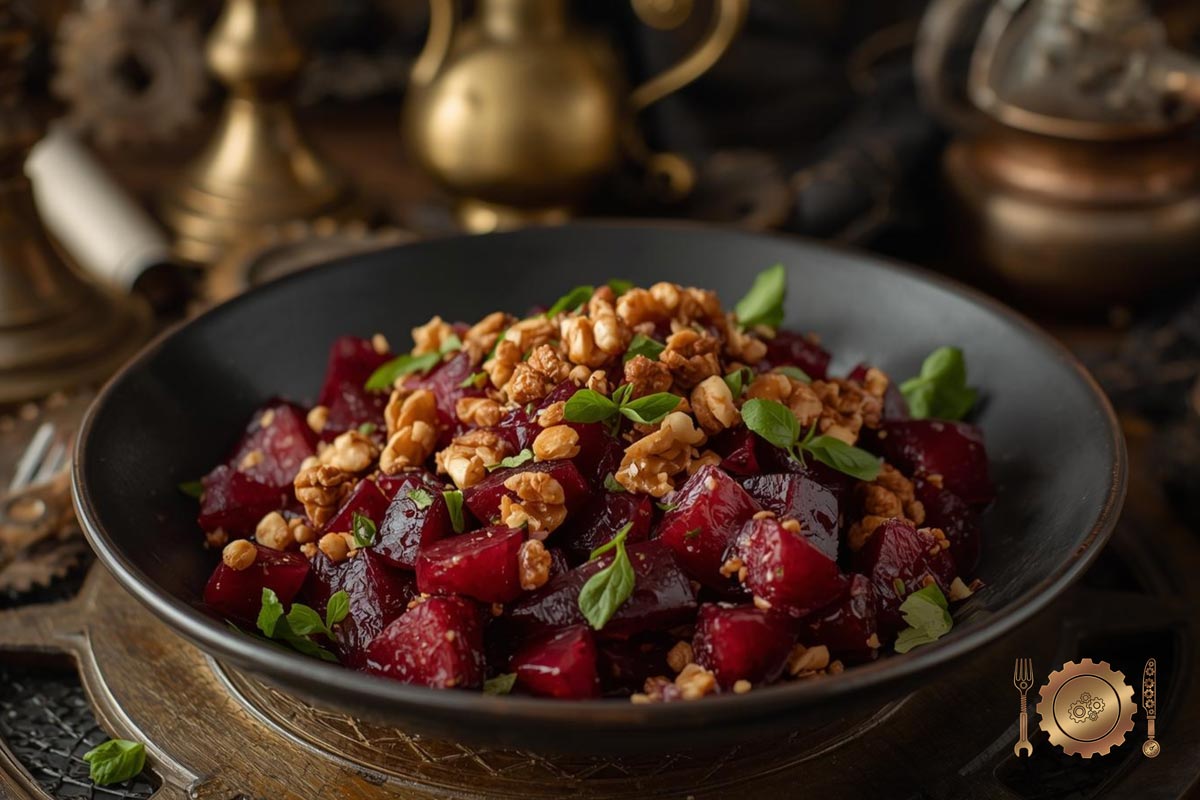
Beet Salad With Walnuts – A Georgian Side Dish

Georgian beet salad with walnuts – earthy and colorful, a festive side dish reimagined with steampunk flair.
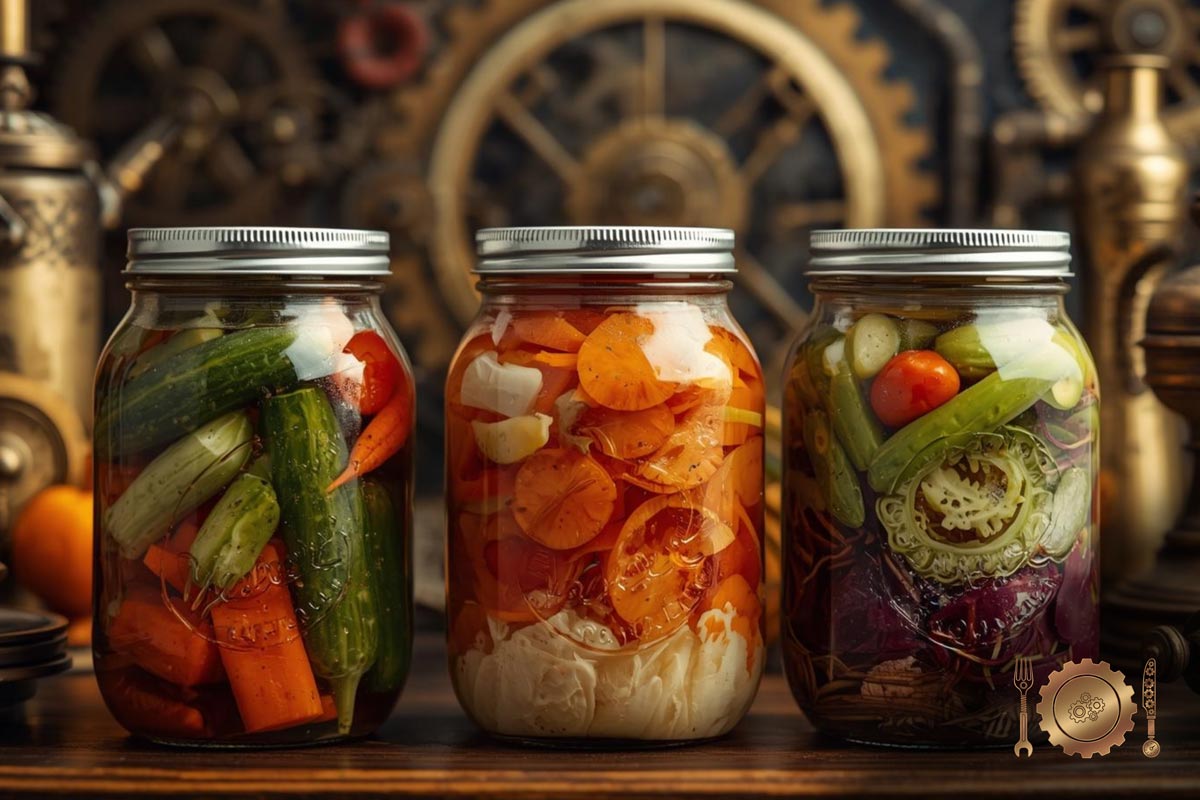
Pickled Vegetables – A Georgian Mixed Platter Classic (Side Dish)

Georgian mixed pickled vegetables – colorful and tangy, a festive side dish reimagined with steampunk flair.
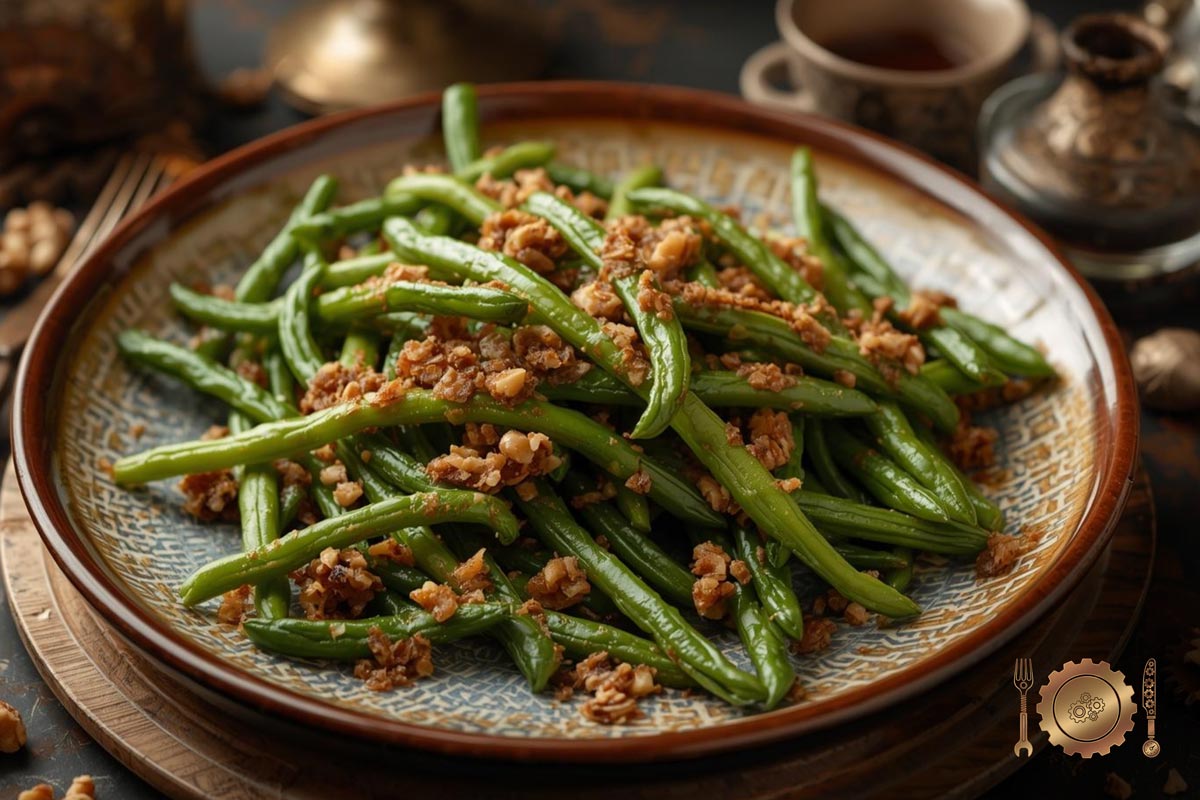
Green Beans With Walnuts – A Georgian Side Dish

Georgian green beans with walnut paste – a rustic side dish, earthy and flavorful, reimagined with steampunk flair.
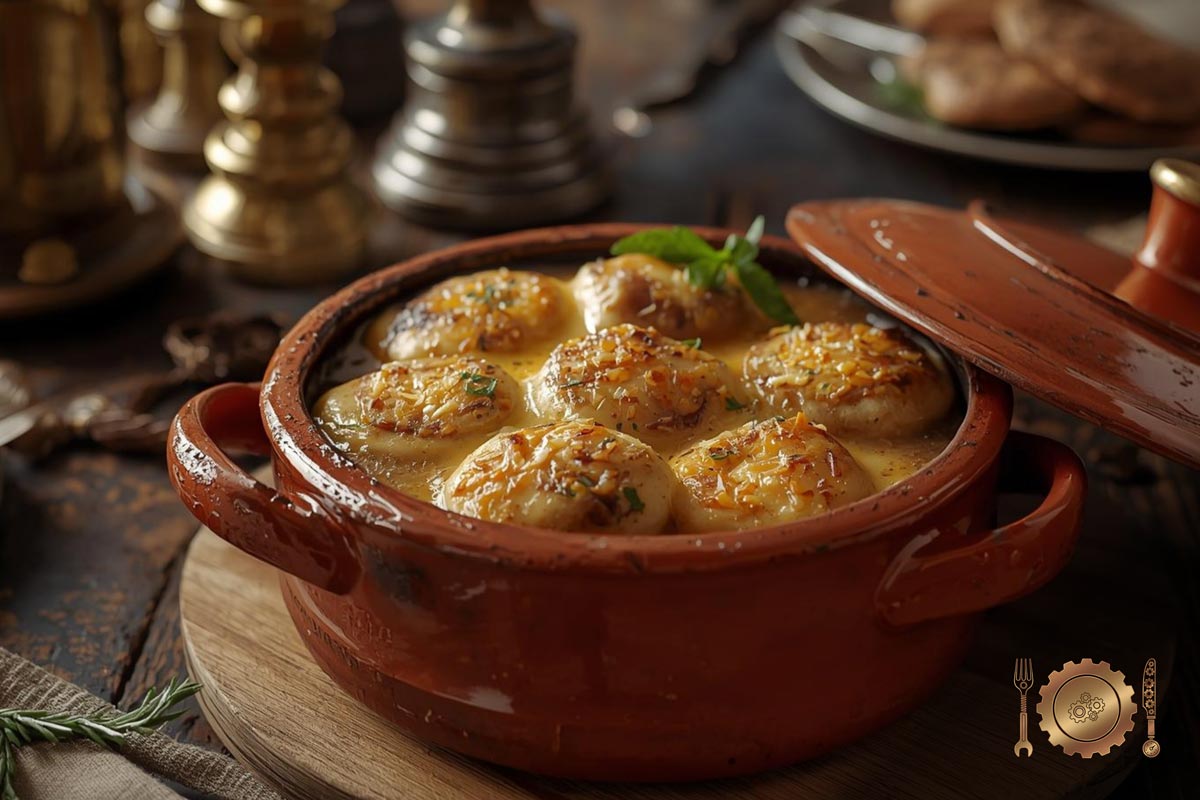
Soko Kecze – Georgian Mushrooms Baked in Clay Pot (Side Dish)

Soko Kecze – Georgian mushrooms baked in clay pots with sulguni cheese, rustic and hearty, reimagined with steampunk flair.
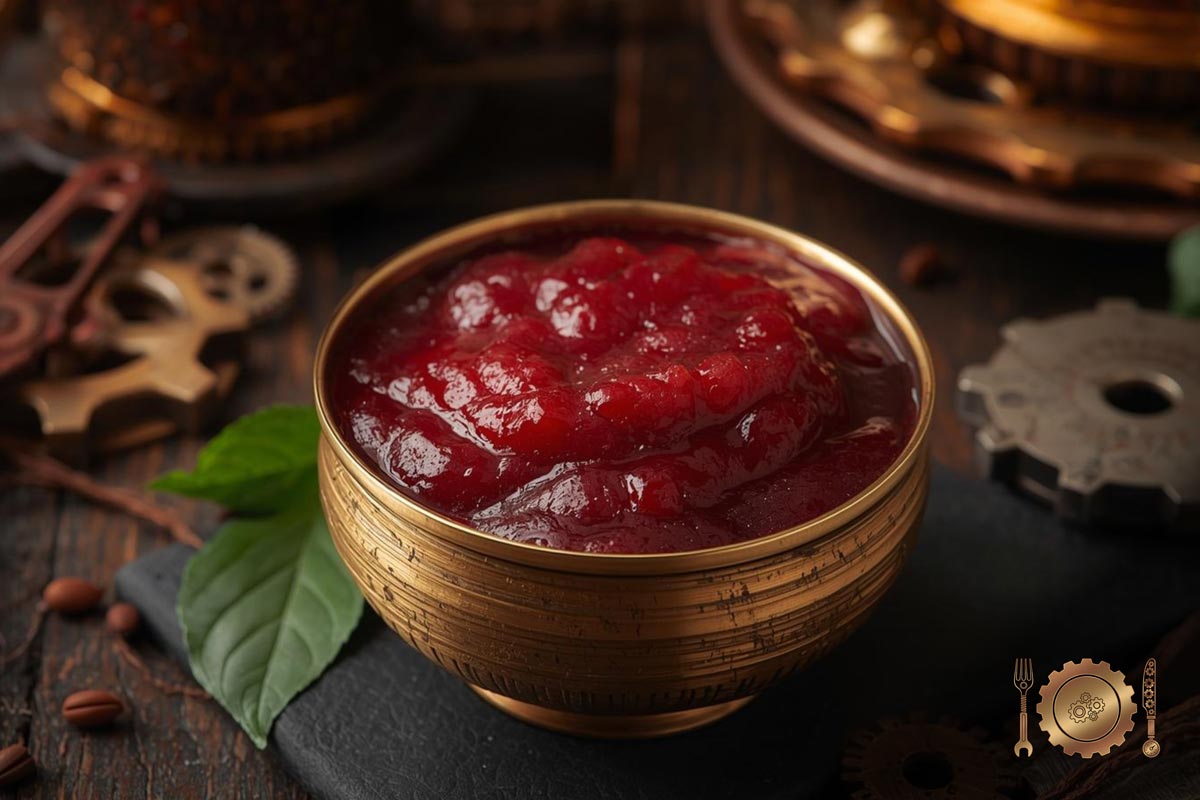
Tkemali – A Georgian Sour Plum Sauce (Side Dish)

Tkemali – Georgian sour plum sauce, tangy and herbal, the perfect condiment for meats and potatoes, reimagined with steampunk flair.
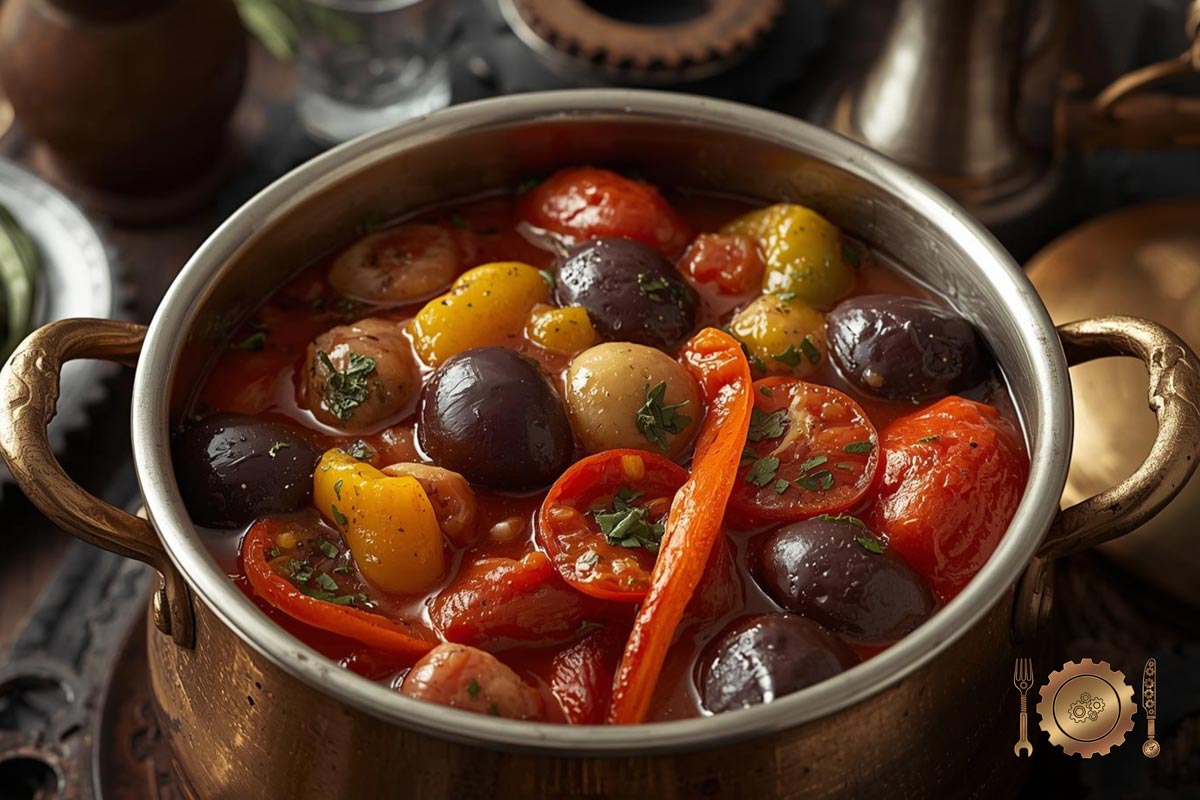
Ajapsandali – A Georgian Vegetable Ratatouille (Side Dish)

Ajapsandali – Georgian vegetable ratatouille with eggplant, peppers, and tomatoes, fragrant and colorful, reimagined with steampunk flair.
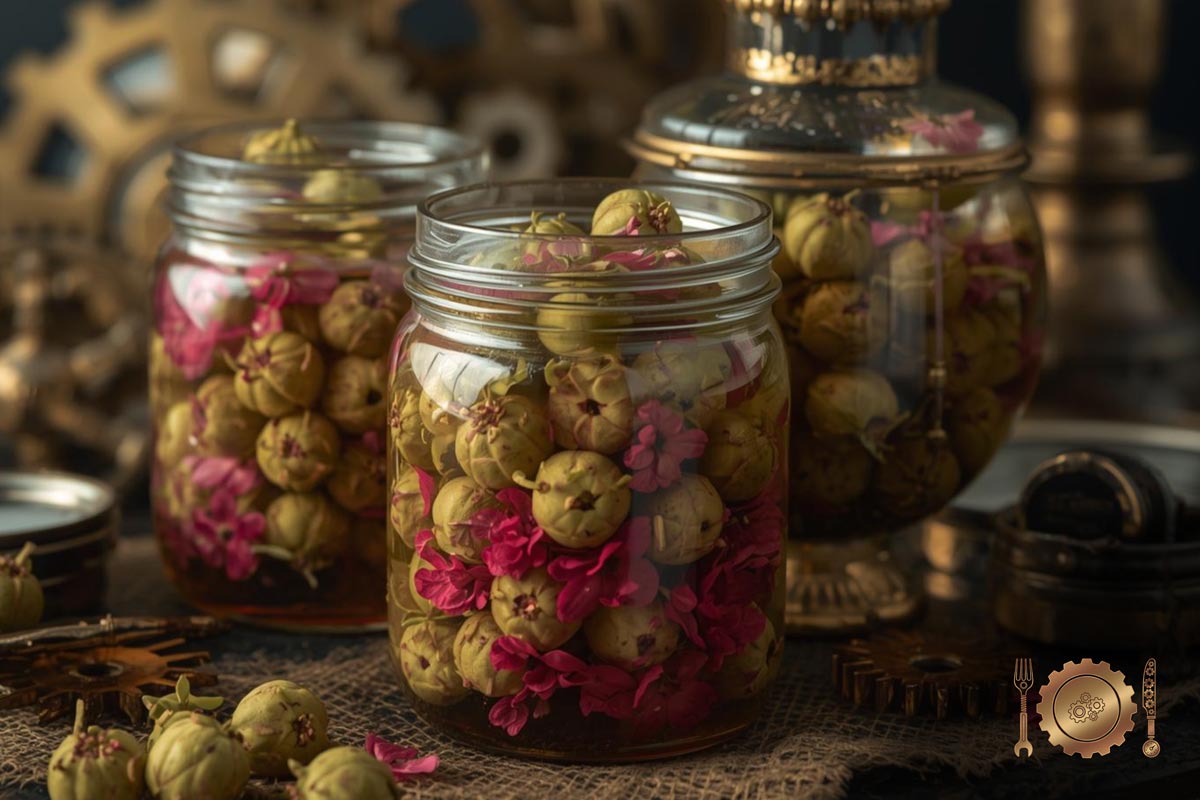
Jonjoli – A Georgian Pickled Blossom Bud Delicacy (Side Dish)

Jonjoli – Georgian pickled blossom buds, a tangy delicacy preserved in brine and reimagined with steampunk flair.
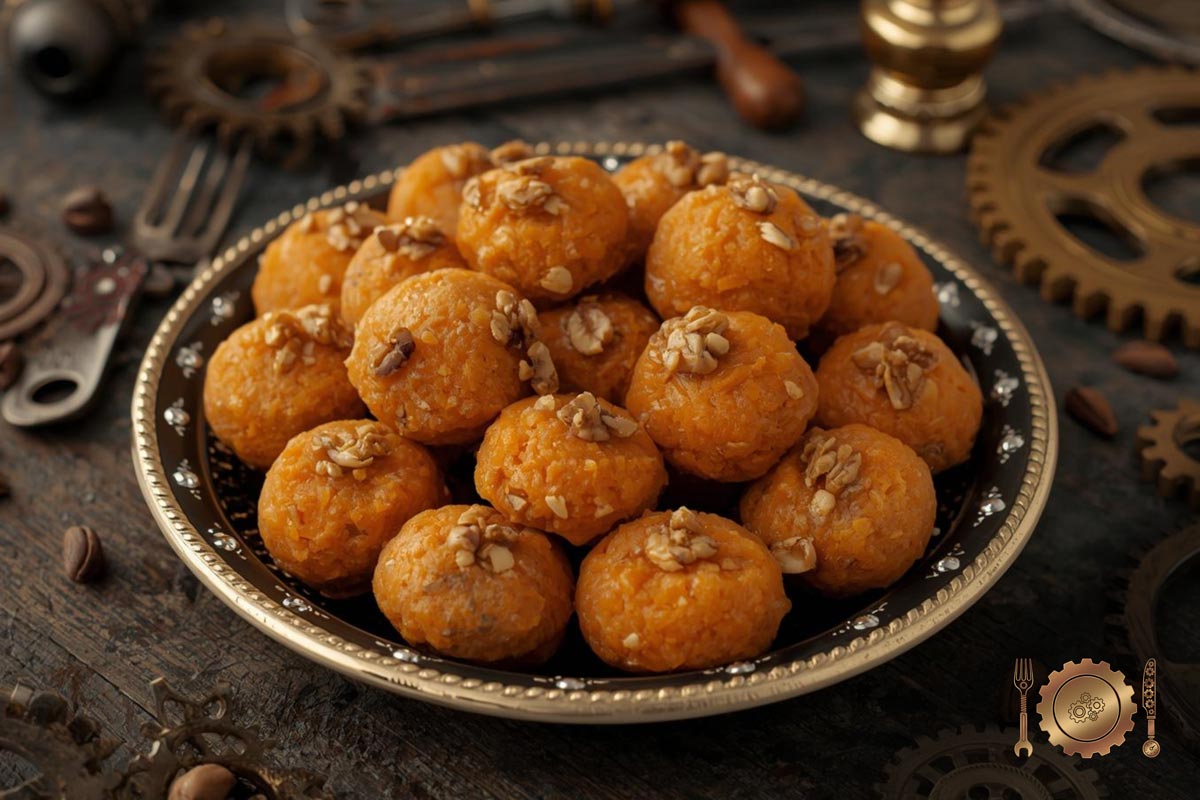
Pkhali – A Georgian Carrot Dish With Walnut Paste (Side Dish)

Georgian carrot Pkhali – a sweet walnut pâté, colorful and earthy, reimagined with steampunk flair.

Pkhali – A Georgian Cabbage Dish With Walnut Paste (Side Dish)

Georgian cabbage Pkhali – a rustic walnut pâté, mild and hearty, reimagined with steampunk flair.
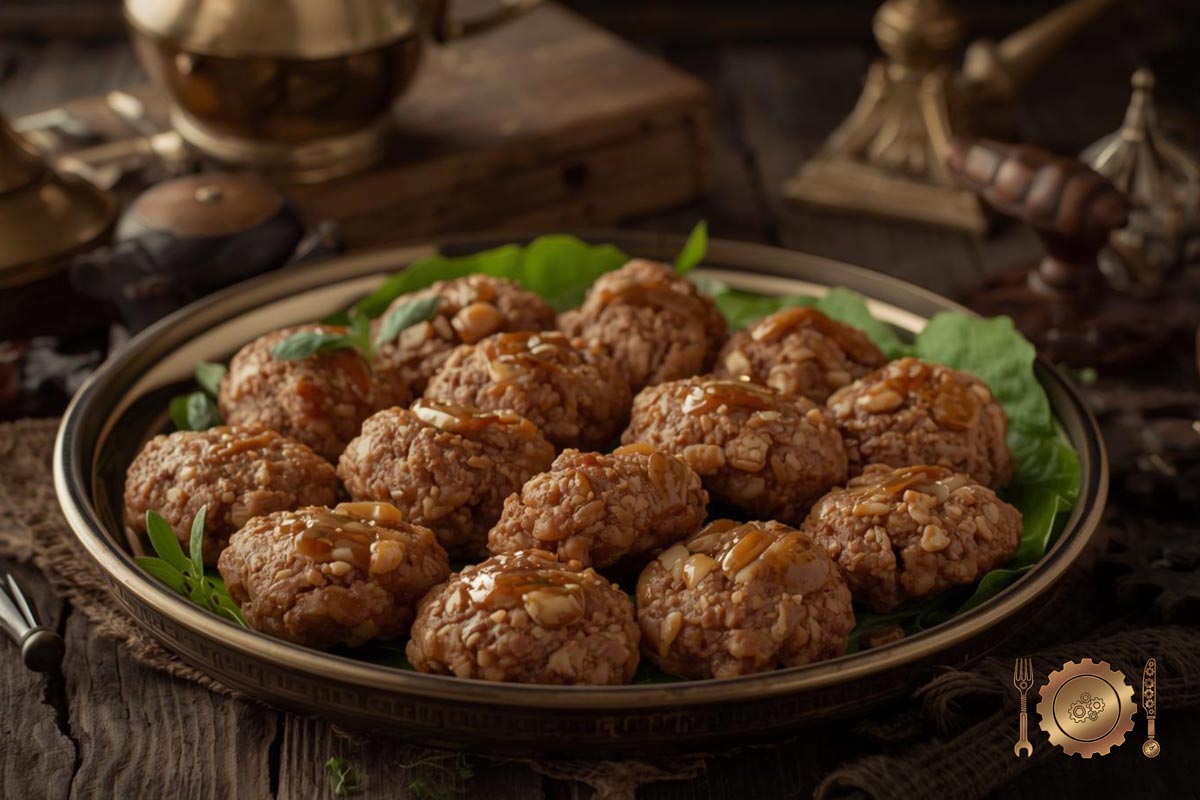
Pkhali – A Georgian Bean Dish With Walnut Paste (Side Dish)

Georgian bean Pkhali – a hearty walnut pâté, earthy and protein rich, reimagined with steampunk flair.
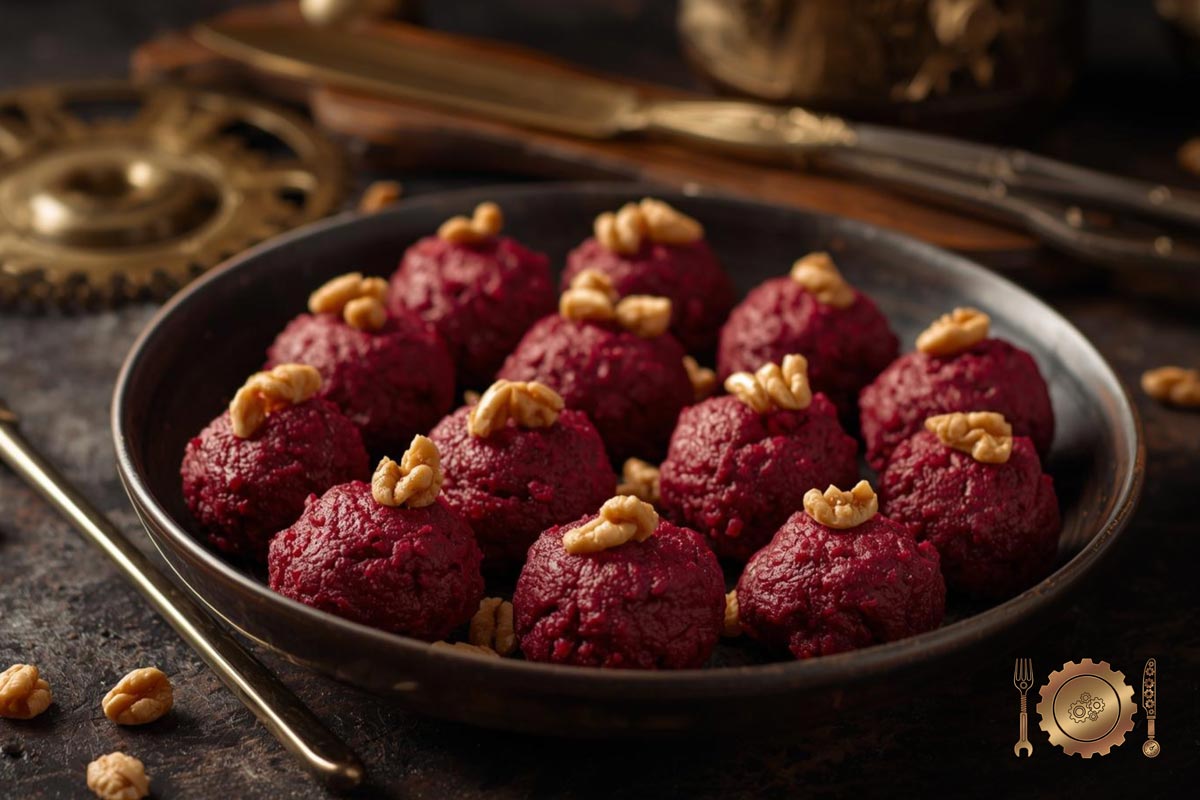
Pkhali – A Georgian Beetroot Dish With Walnut Paste (Side Dish)

Georgian beetroot Pkhali – a vibrant walnut pâté, earthy and festive, reimagined with steampunk flair.
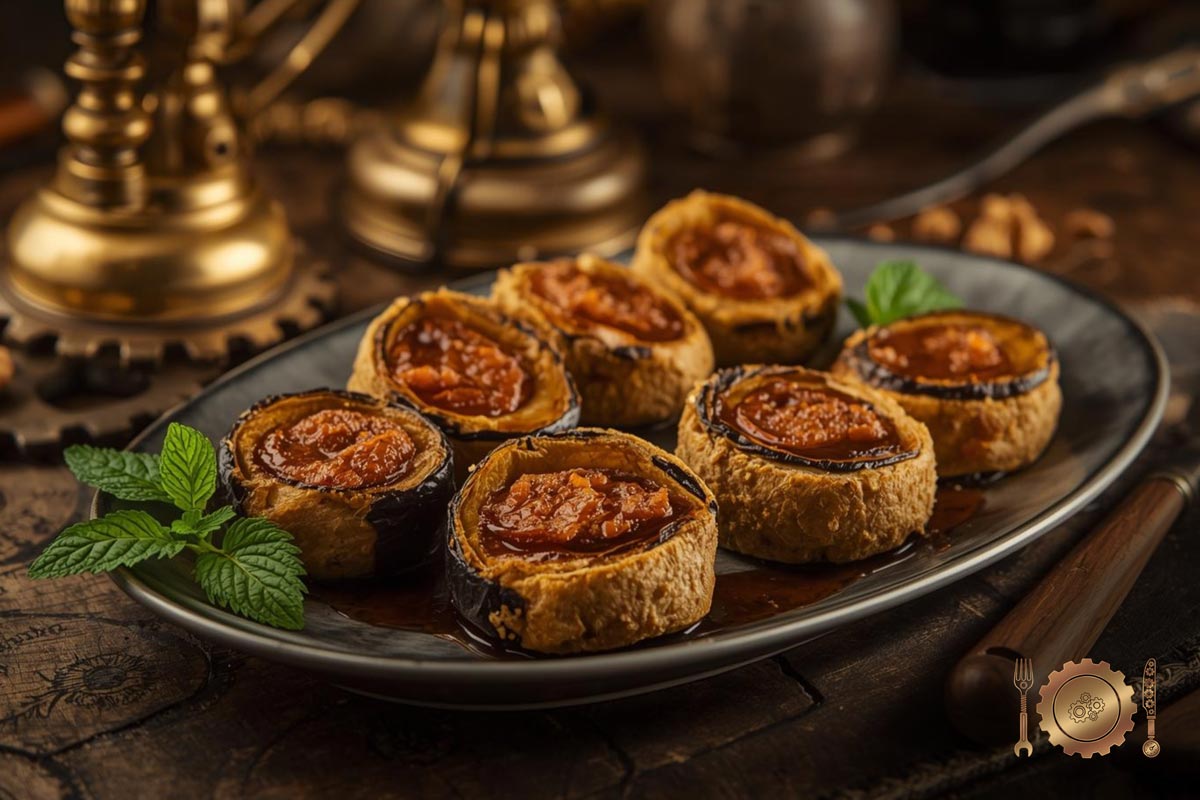
Badrijani Nigvzit – A Georgian Eggplant Dish Stuffed with Walnuts (Side Dish)

Georgian eggplant rolls with walnut paste – Badrijani Nigvzit, a festive appetizer with bold flavors and steampunk flair.

Georgian Desserts

Georgian Desserts
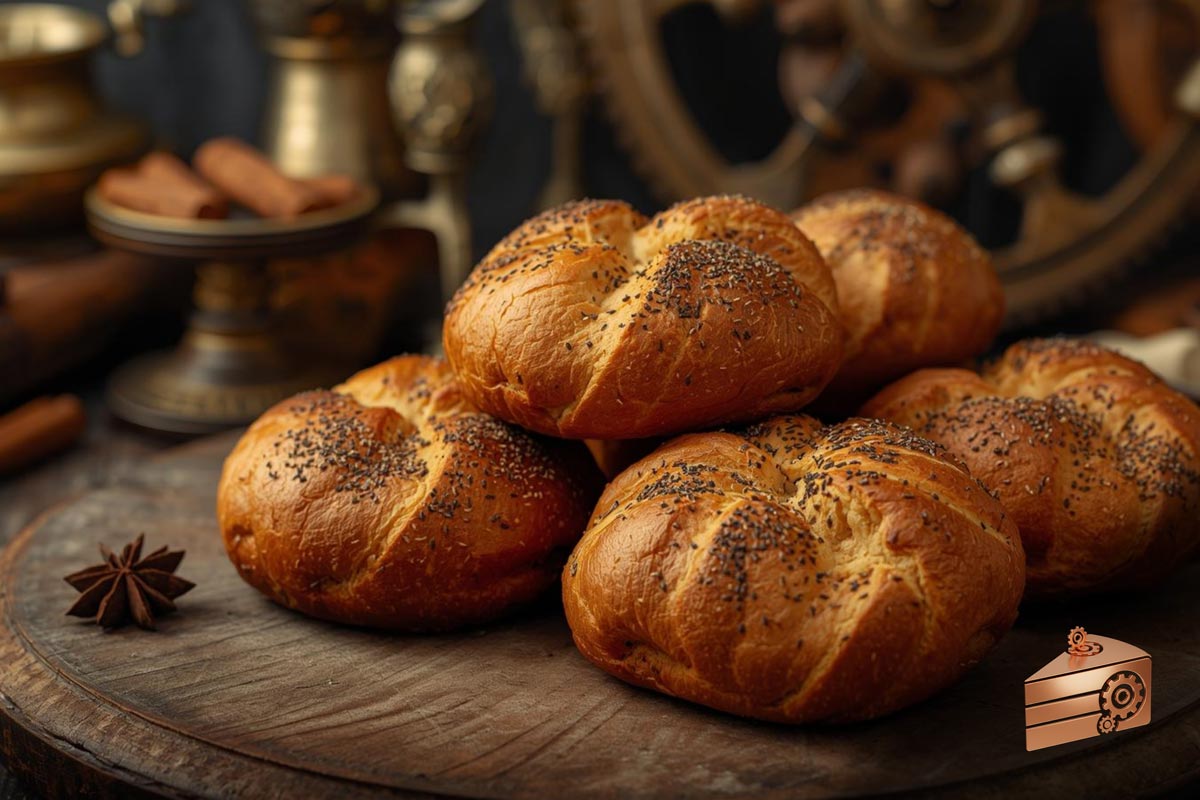
Nazuki – Georgian Spiced Sweet Bread

Nazuki – Georgian spiced sweet bread with cinnamon and cloves, festive and aromatic, reimagined with steampunk flair.
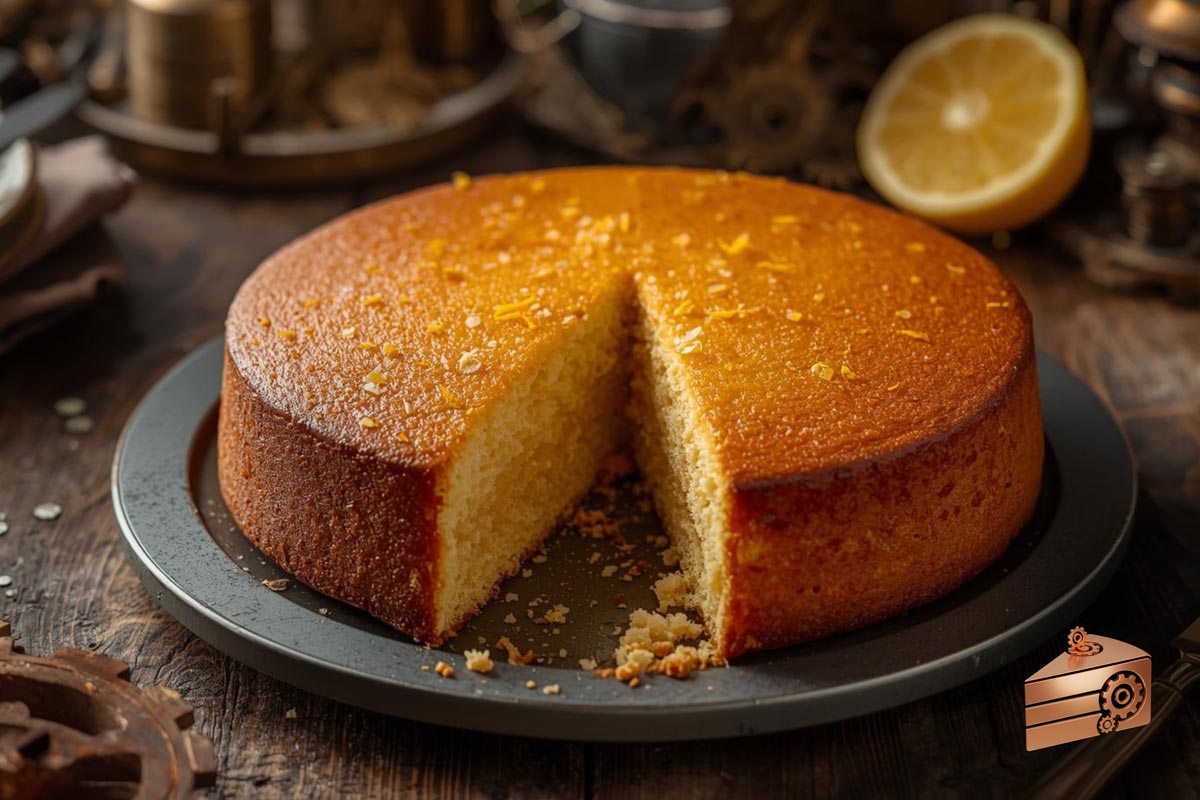
Kartuli Cake – Georgian Festive Sponge Cake

Kartuli Cake – Georgian festive sponge cake with citrus aroma, golden and soft, reimagined with steampunk flair.

Georgian Walnut Cookies – Festive Nutty Treats

Georgian walnut cookies – festive nutty treats, golden and crisp, reimagined with steampunk flair.

Sweet Khachapuri – Georgian Honey‑Filled Bread

Sweet Khachapuri – Georgian honey filled bread, golden and festive, a dessert twist reimagined with steampunk flair.
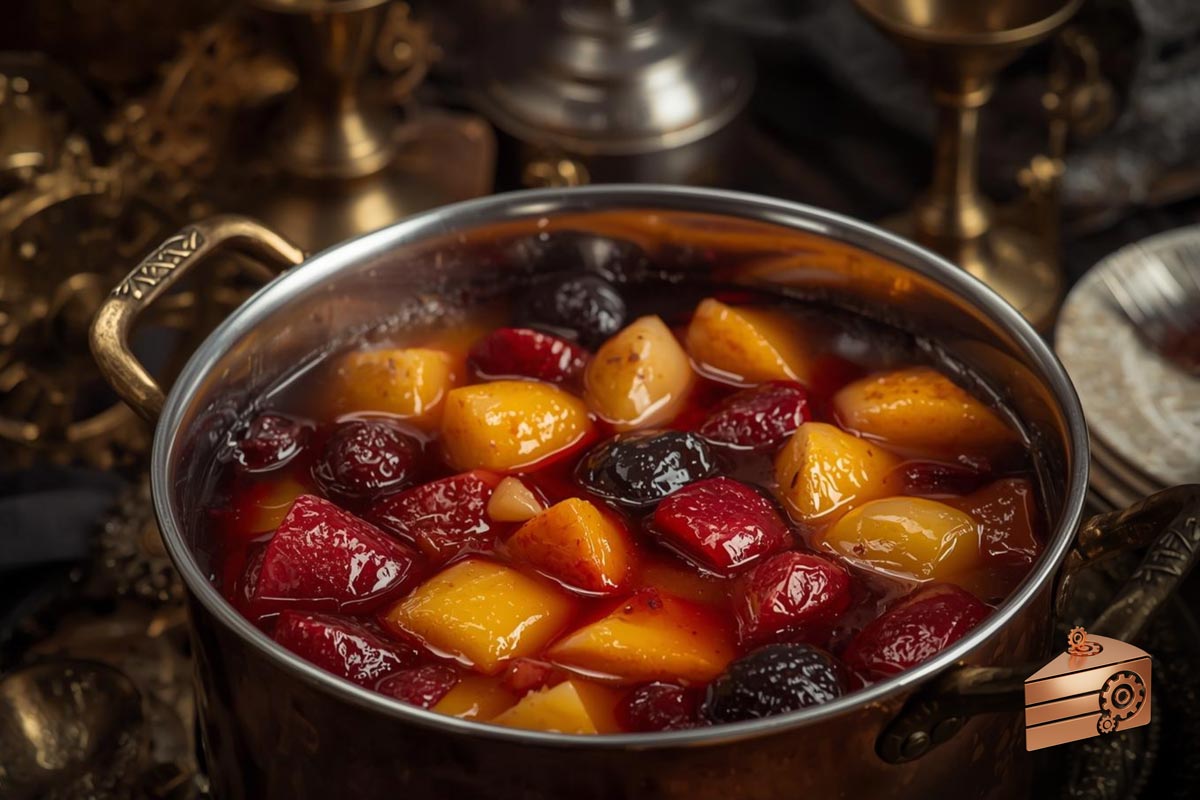
Georgian Fruit Compote – Traditional Refreshing Drink

Georgian fruit compote – refreshing sweet beverage with seasonal fruits, reimagined with steampunk flair.
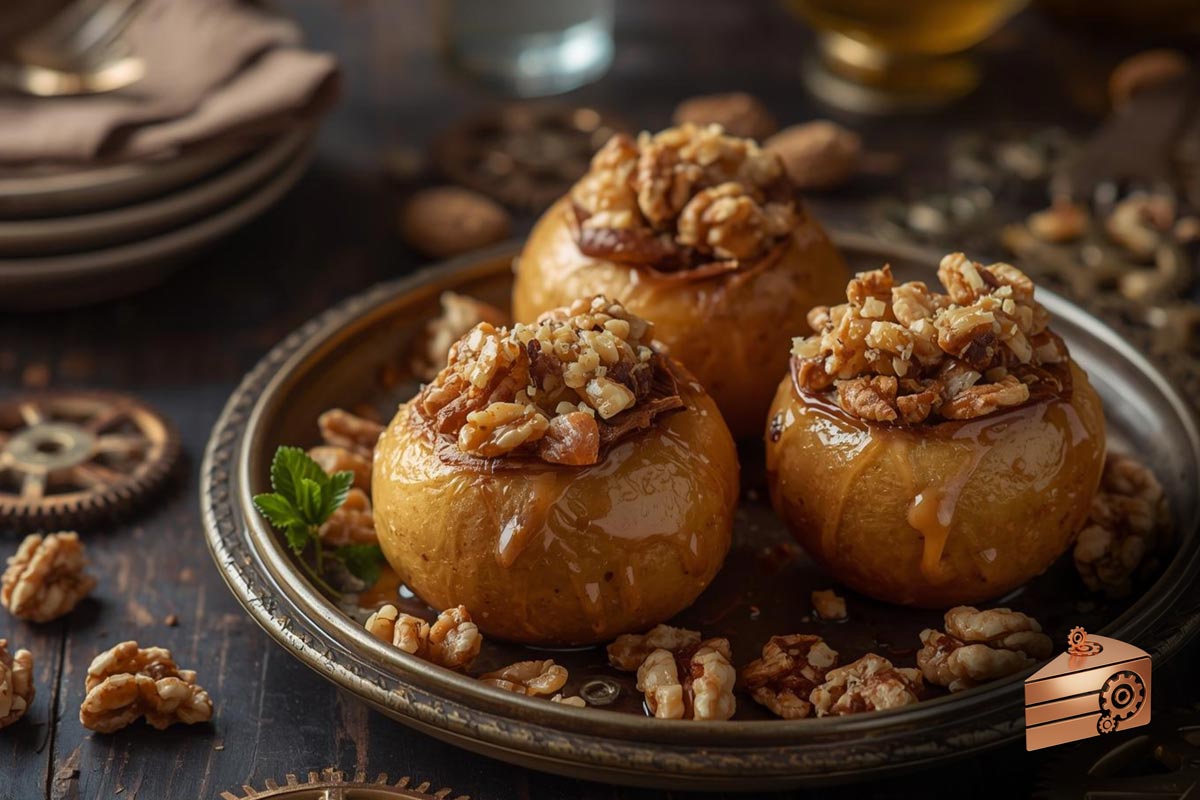
Georgian Apple Dessert With Walnuts – Festive Sweet Treat

Georgian apple dessert with walnuts – festive baked apples with honey and nuts, reimagined with steampunk flair.
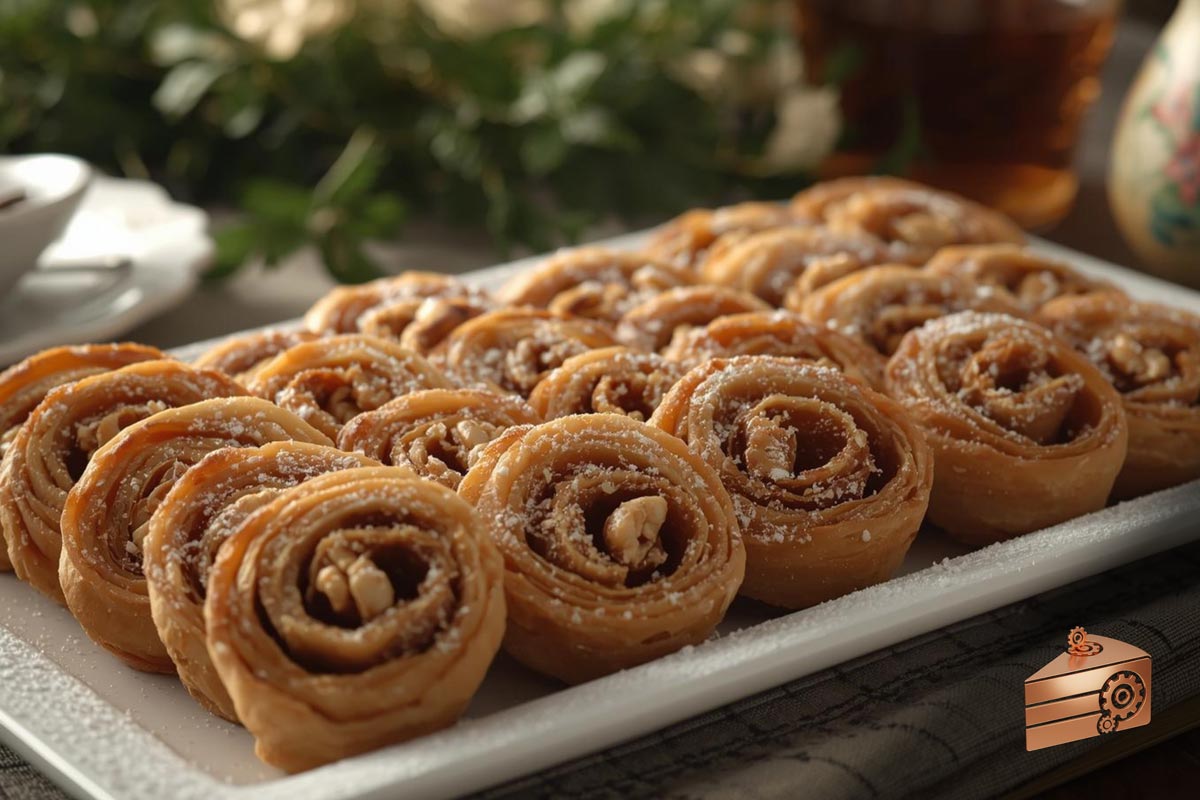
Kada – Georgian Sweet Pastry With Butter and Sugar

Kada – Georgian sweet pastry with butter and sugar, golden and festive, reimagined with steampunk flair.
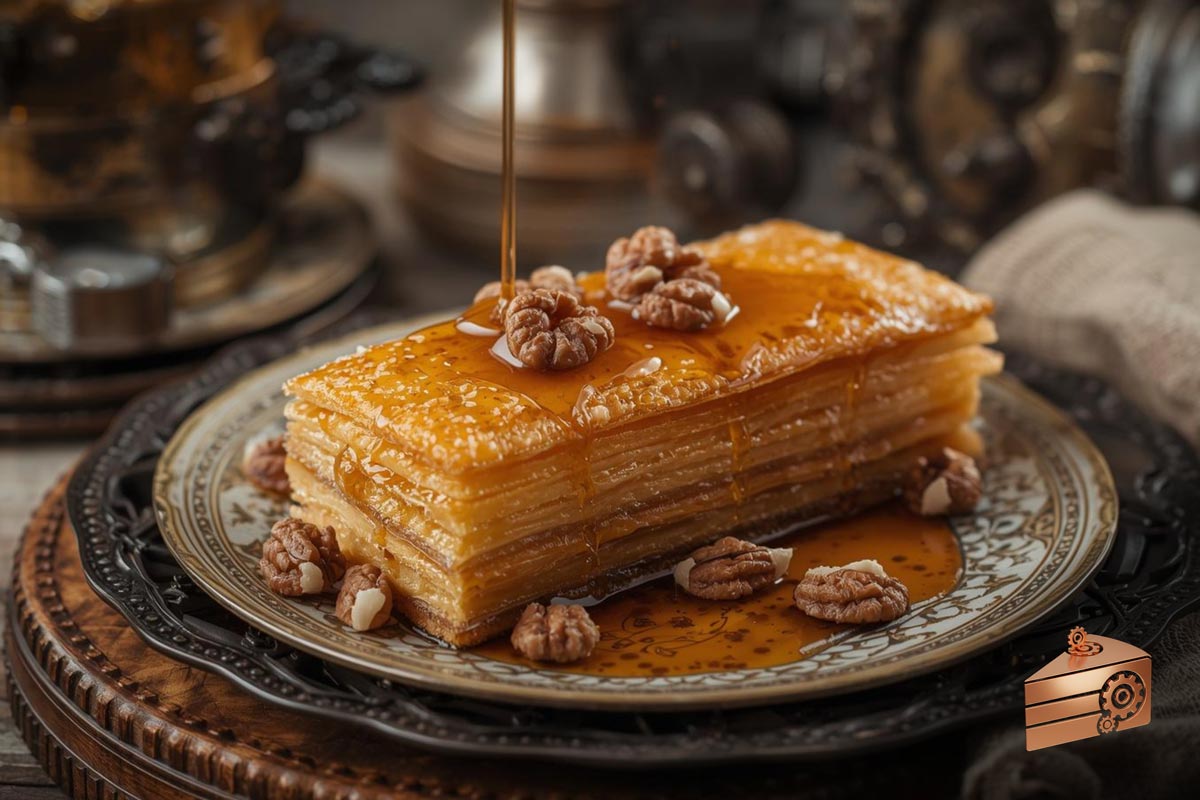
Pakhlava – Georgian Baklava With Walnuts and Honey

Pakhlava – Georgian Baklava with walnuts and honey syrup, a festive dessert reimagined with steampunk flair.
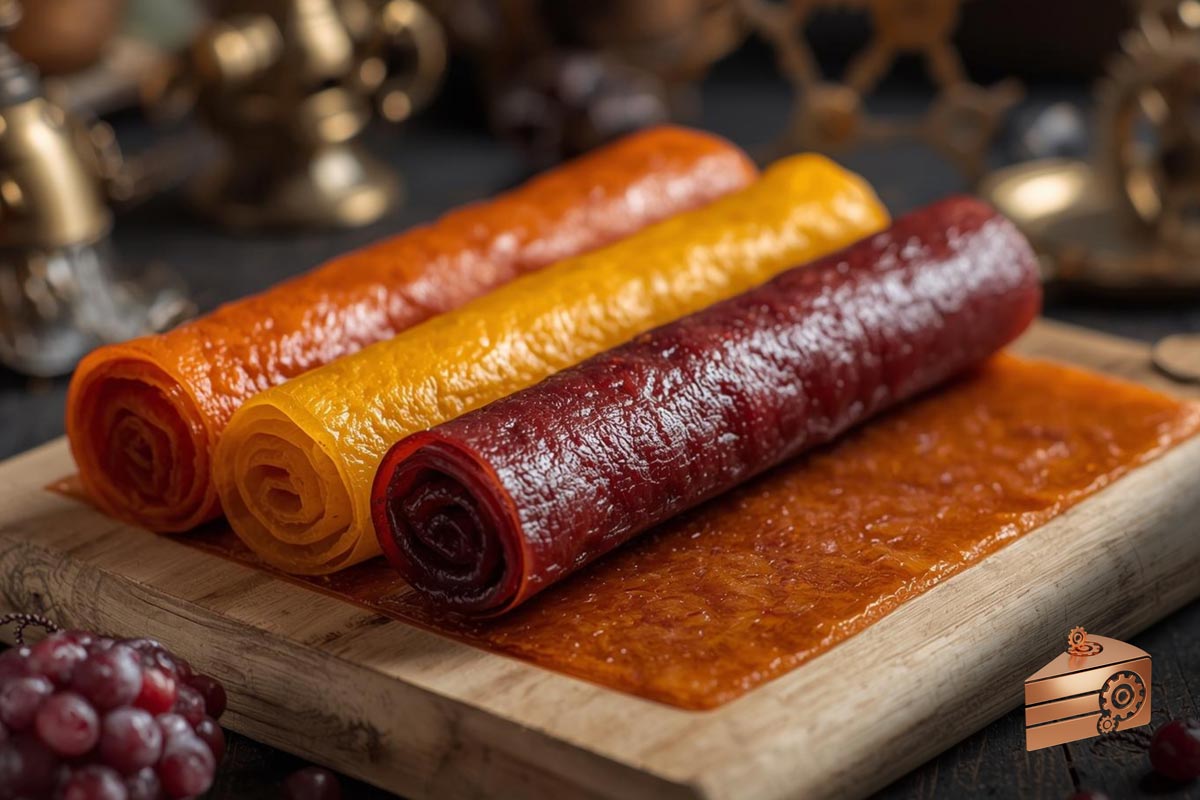
Tklapi – Georgian Fruit Leather Snack

Tklapi – Georgian fruit leather snack, colorful and tangy, a harvest tradition reimagined with steampunk flair.
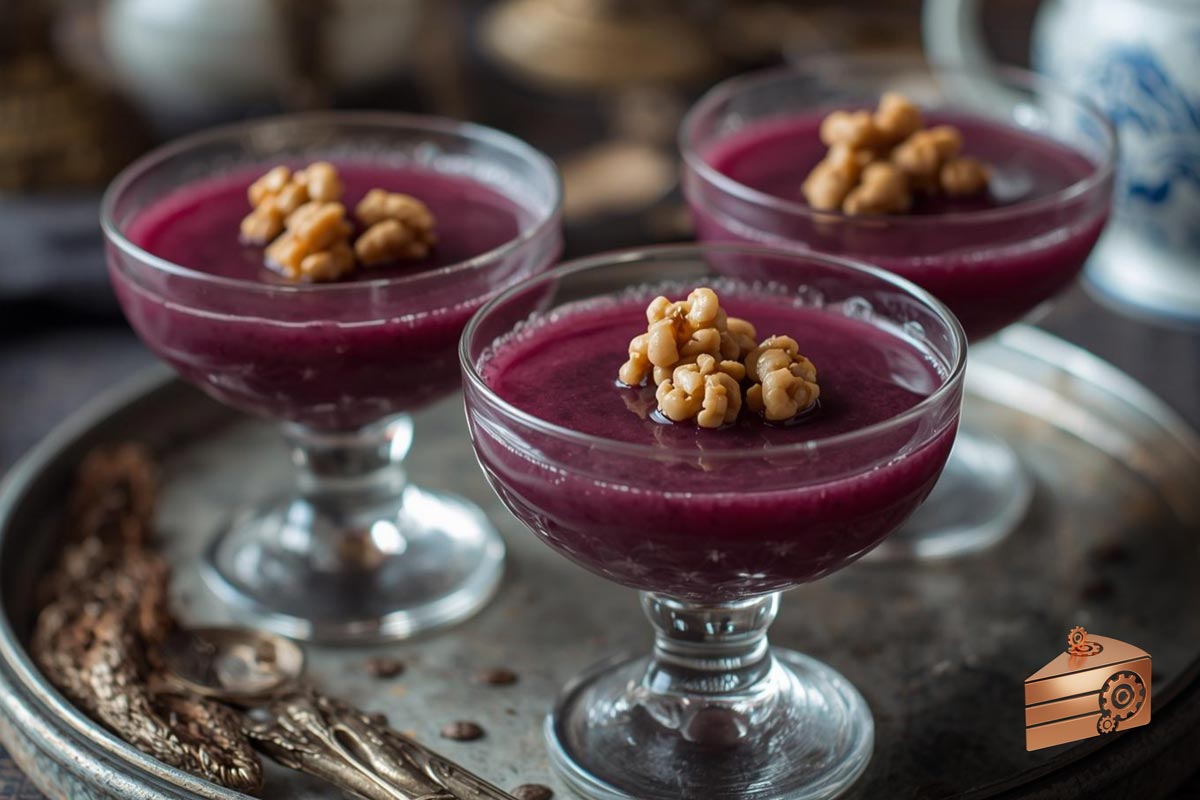
Pelamushi – Georgian Grape Pudding Dessert

Pelamushi – Georgian grape pudding dessert, glossy and sweet, a harvest tradition reimagined with steampunk flair.
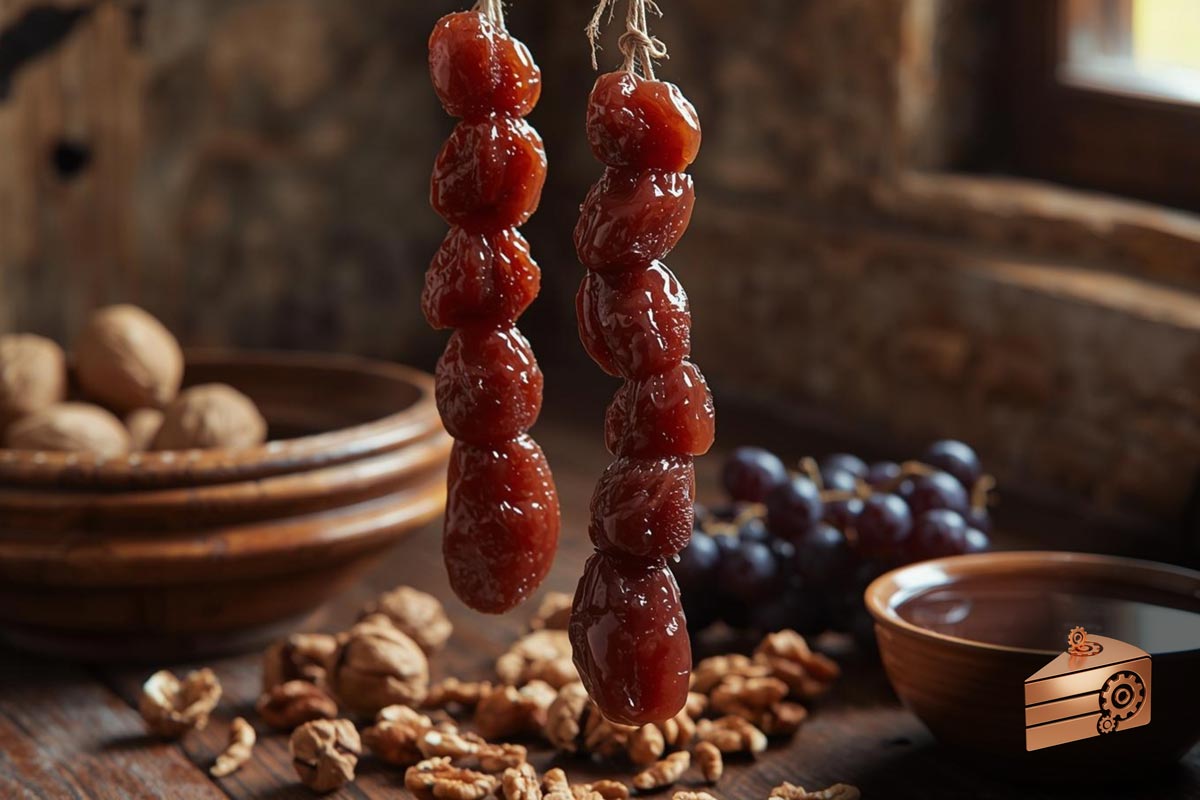
Churchkhela – Georgian Walnut Strings in Grape Juice

Churchkhela – Georgian walnut strings dipped in grape juice, a festive sweet reimagined with steampunk flair.
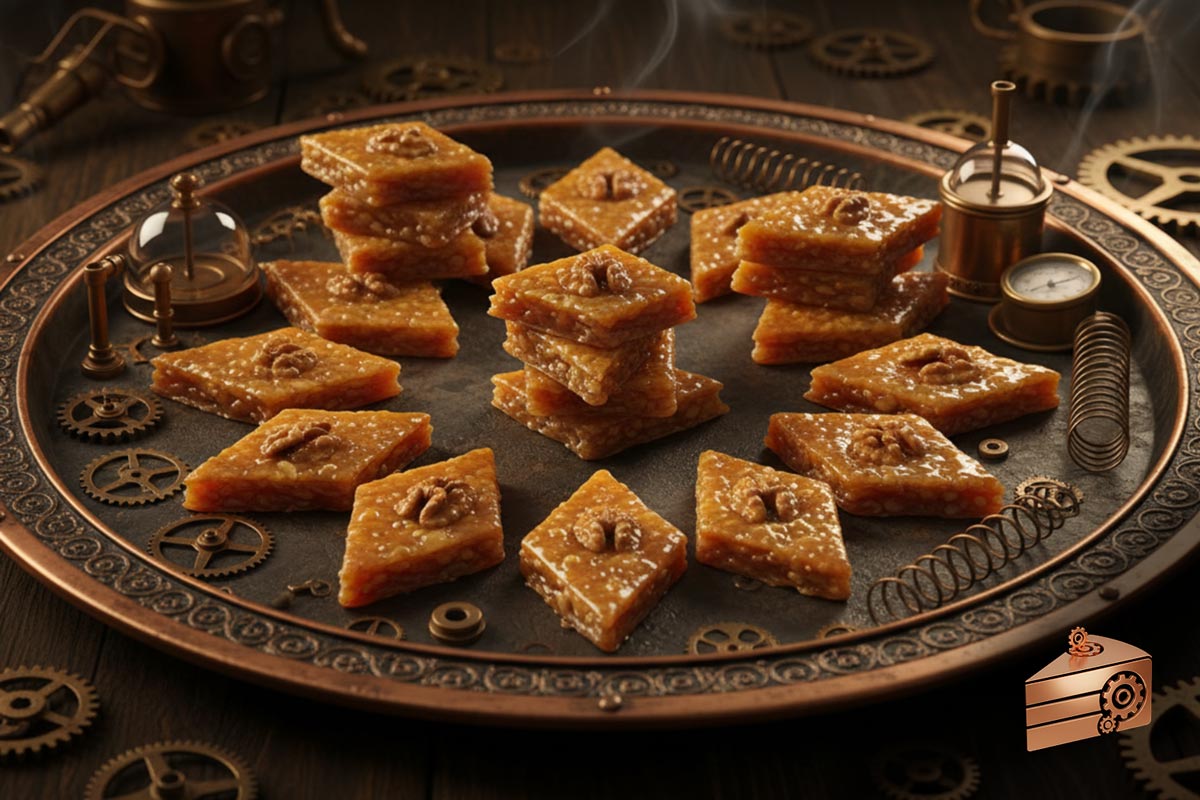
Chrononaut’s Gozinaki – Sweet Fuel for Time Travelers

Gozinaki is a traditional Georgian sweet made from caramelized honey and crunchy walnuts. Served during New Year celebrations, it symbolizes

Georgian Cocktails

Georgian Cocktails

Borjomi Crystal Mist – Georgian Mocktail

Borjomi crystal mist – Georgian mocktail with mineral water, citrus, cucumber, and mint, served chilled as a refreshing non alcoholic

Frozen Tsinandali Glow – Georgian White Wine Cocktail

Frozen tsinandali glow – Georgian white wine cocktail with citrus and honey, blended with ice for a refreshing summer drink.

Frozen Chacha Mist – Georgian Cocktail

Frozen chacha mist – Georgian cocktail with citrus and mint, blended with ice for a refreshing summer drink.

Georgian Fruit Punch – Festive Non‑Alcoholic Drink

Georgian fruit punch – festive non alcoholic drink with pomegranate, grapes, citrus, and Borjomi, reimagined with steampunk flair.

Kvass – Traditional Rye Bread Drink

Kvass – traditional rye bread drink, fermented and refreshing, reimagined with steampunk flair.
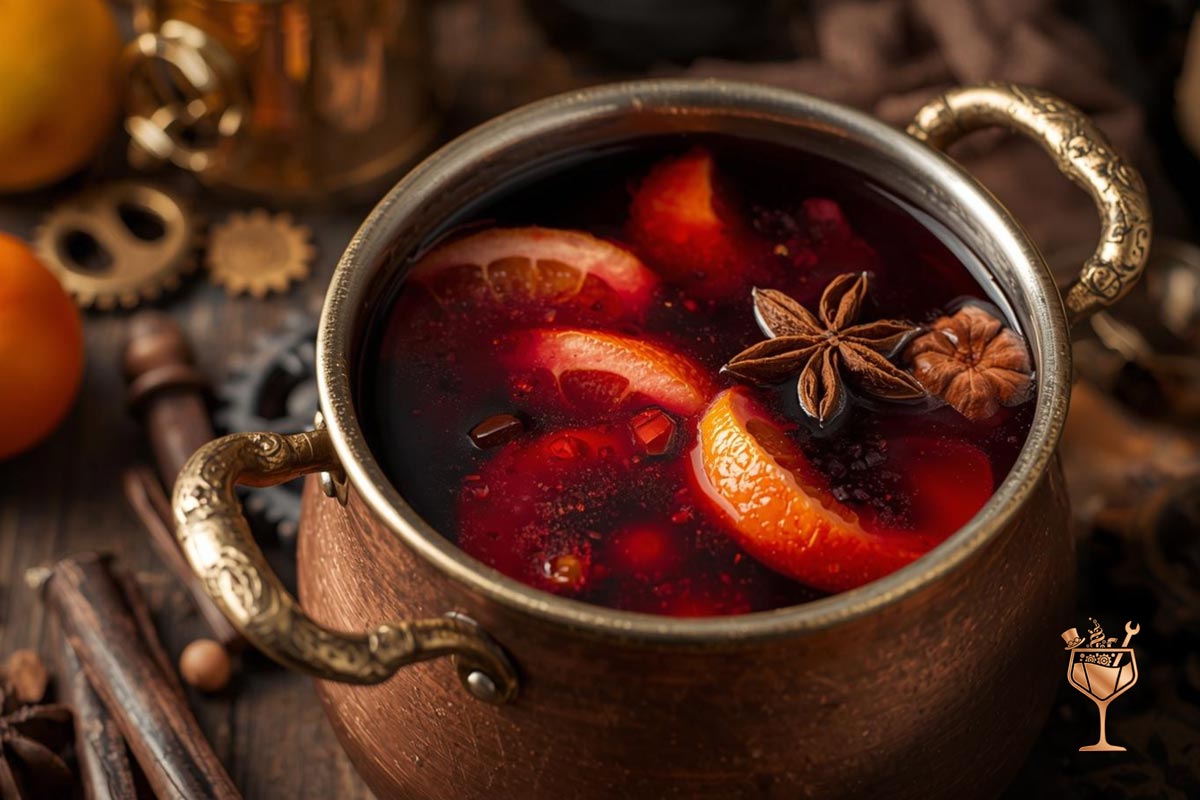
Kindzmarauli Mulled Wine – Georgian Festive Drink

Kindzmarauli mulled wine – Georgian festive drink with citrus and spices, ruby red and warming, reimagined with steampunk flair.

Saperavi Sangria – Georgian Wine Cocktail

Saperavi Sangria – Georgian wine cocktail with fruits and soda, ruby red and festive, reimagined with steampunk flair.

Mulberry Chacha Cocktail – Georgian Berry Spirit Mix

Mulberry Chacha Cocktail – Georgian berry spirit mix with mulberries and soda, refreshing and festive, reimagined with steampunk flair.

Tarragon Mojito – Georgian Herbal Cocktail Twist

Tarragon Mojito – Georgian herbal cocktail twist with tarragon and lime, refreshing and festive, reimagined with steampunk flair.

Chacha Sour – Georgian Cocktail Twist

Chacha Sour – Georgian cocktail twist with grape brandy and lemon, frothy and festive, reimagined with steampunk flair.

Georgian Lemonade (Natakhtari) – Traditional Fizzy Drink

Georgian Lemonade (Natakhtari) – traditional fizzy drink with fruit flavors, refreshing and festive, reimagined with steampunk flair.

Georgian Chacha – Classic, Honey, and Herb Variations

Georgian Chacha – classic grape brandy, served neat, with honey, or infused with herbs, reimagined with steampunk flair.

Chrononaut’s Chacha Elixir

Chacha is Georgia’s famous grape brandy, often called the “Georgian grappa.” Distilled from grape pomace, it is strong, aromatic, and

Georgian Snacks

Georgian Snacks
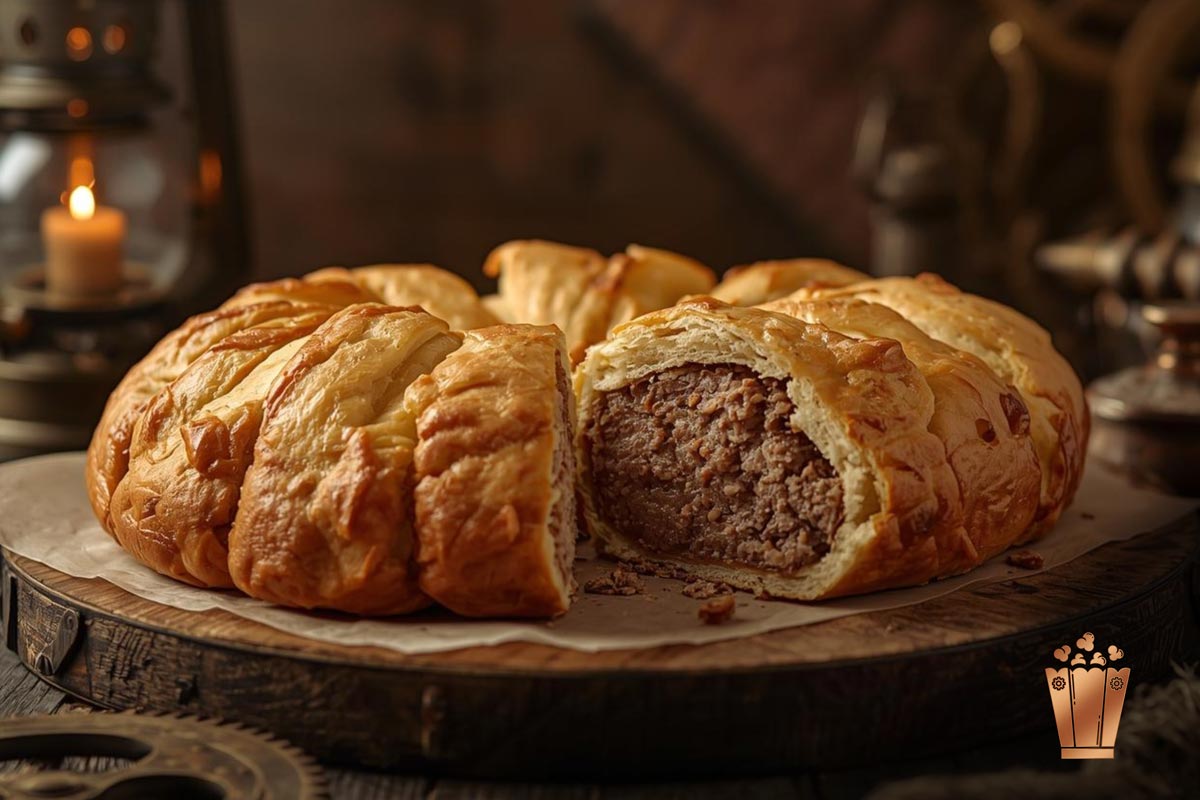
Kubdari – Georgian Meat‑Filled Bread Recipe

Kubdari is a traditional dish from the mountainous region of Svaneti in Georgia. This rustic bread is prepared with a
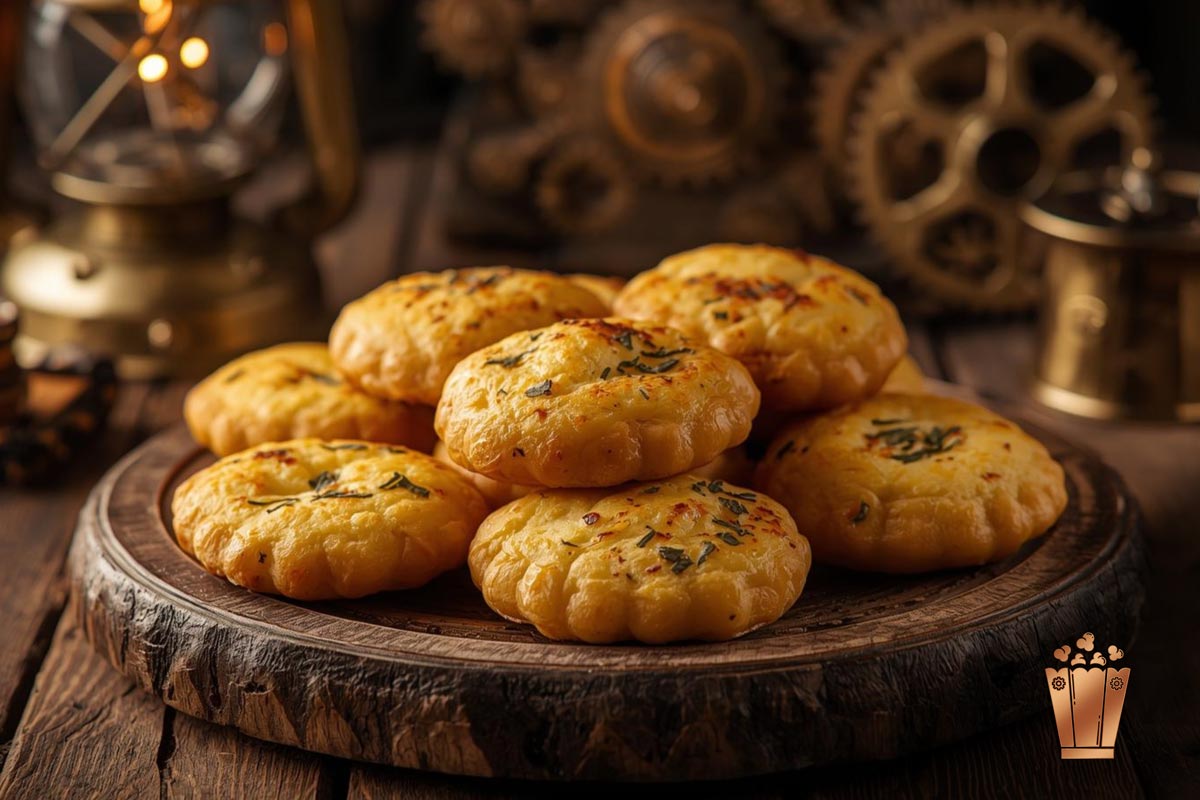
Chvishtari – Georgian Cornbread with Cheese Recipe

Chvishtari is a beloved Georgian cornbread filled with gooey cheese, often enjoyed as a rustic snack or side dish. Made
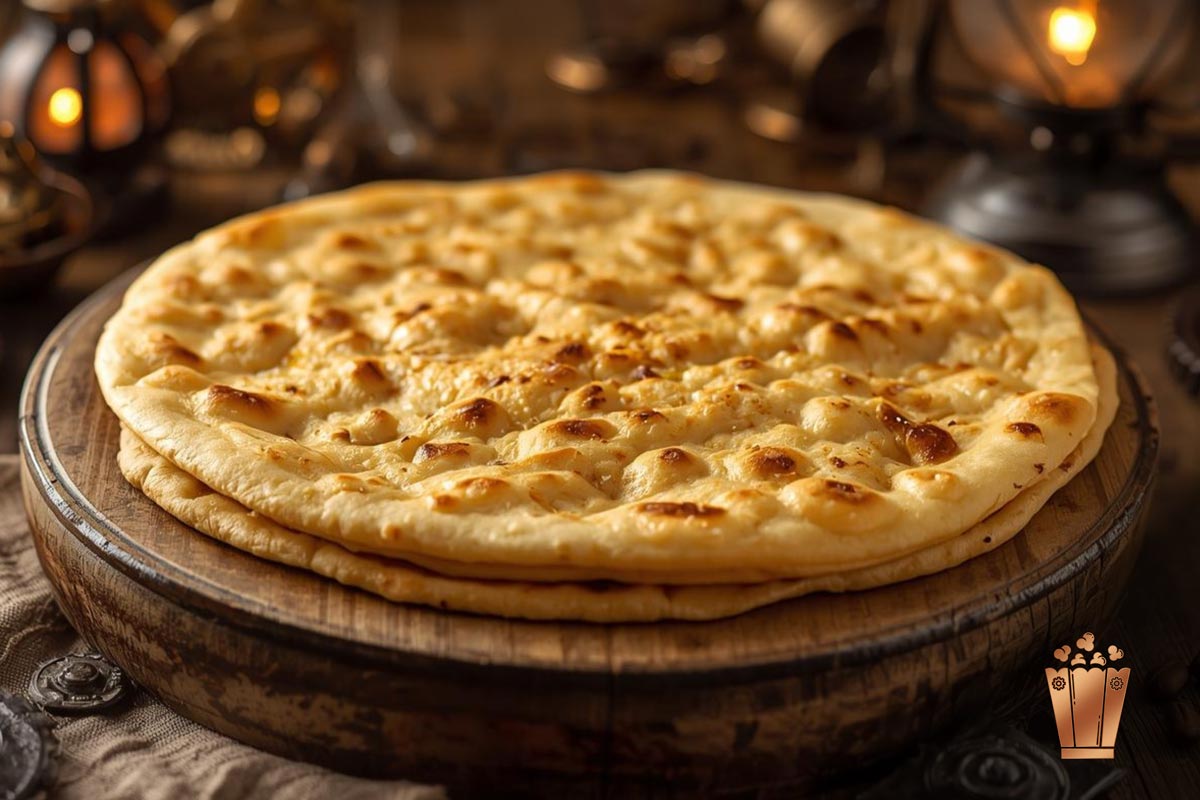
Lavashi – Traditional Georgian Flatbread Recipe

Lavashi is a thin, soft flatbread baked in a traditional clay oven. Known across the Caucasus, it is a staple
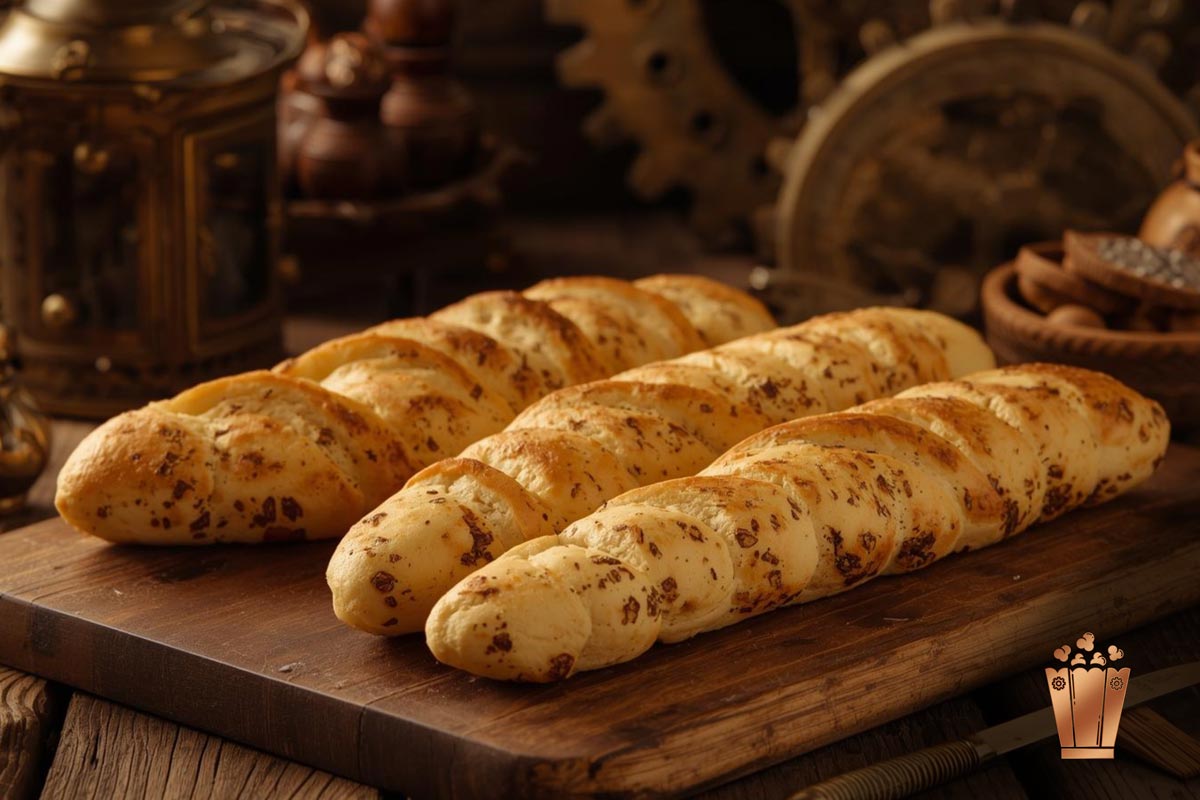
Shotis Puri – Traditional Georgian Clay‑Oven Bread Recipe

Shotis Puri is one of Georgia’s most iconic breads, baked in a deep clay oven called a tone. Shaped like
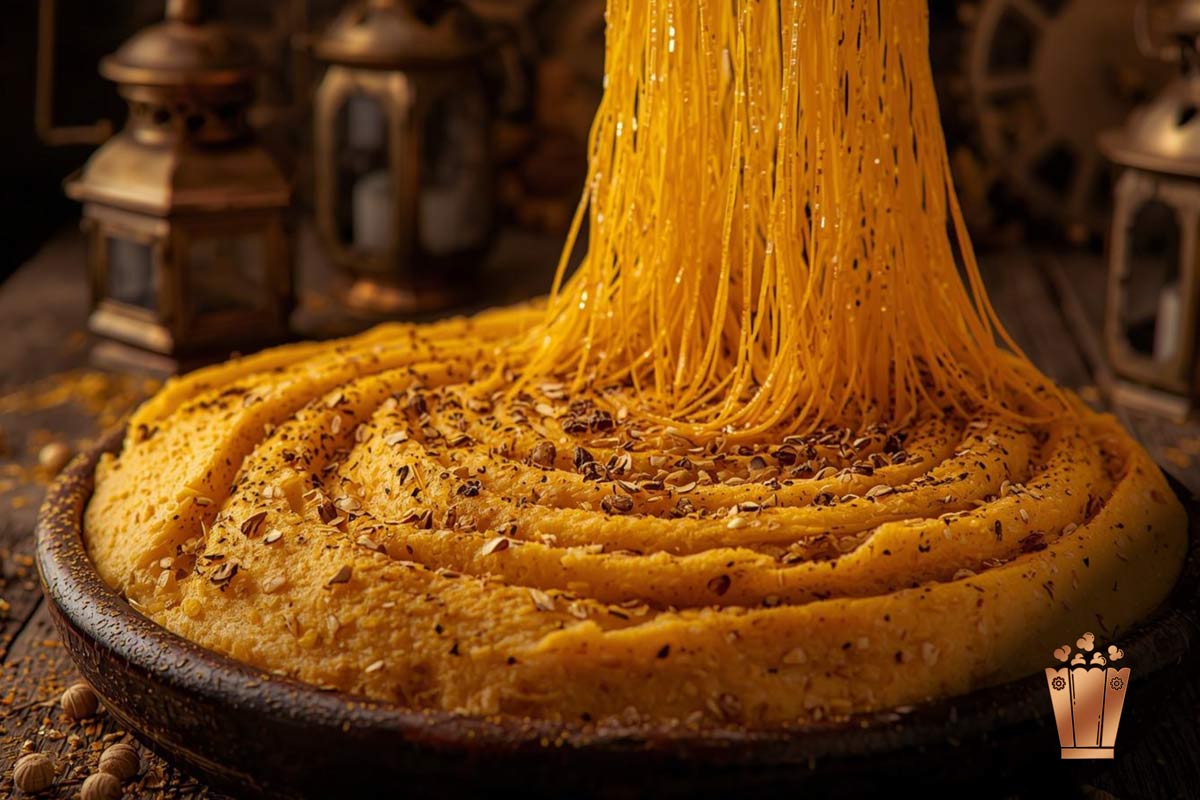
Elarji – Georgian Cornmeal with Cheese Recipe

Elarji is a hearty dish from western Georgia, made by slowly cooking cornmeal until thick and stretchy, then blending it
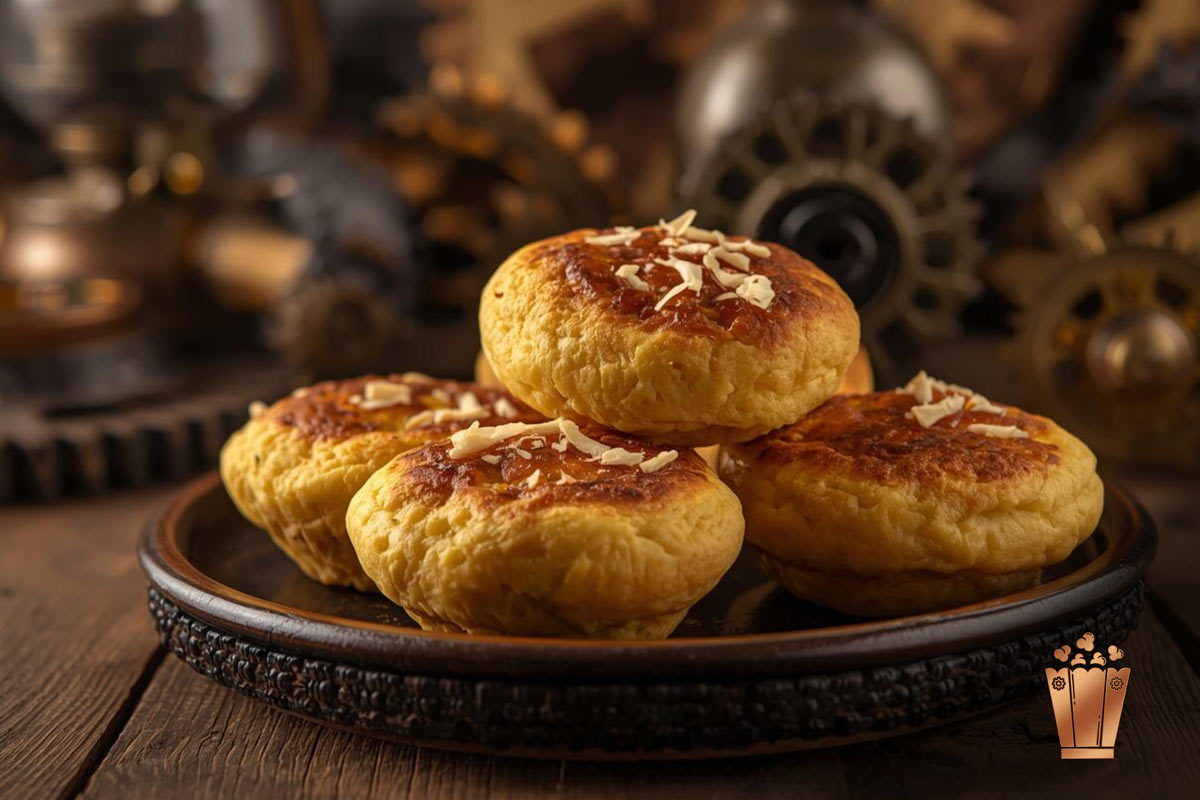
Mchadi – Georgian Cornbread Recipe

Mchadi is a simple yet traditional Georgian cornbread, often pan‑fried and served with cheese, beans, or stews. Made only with
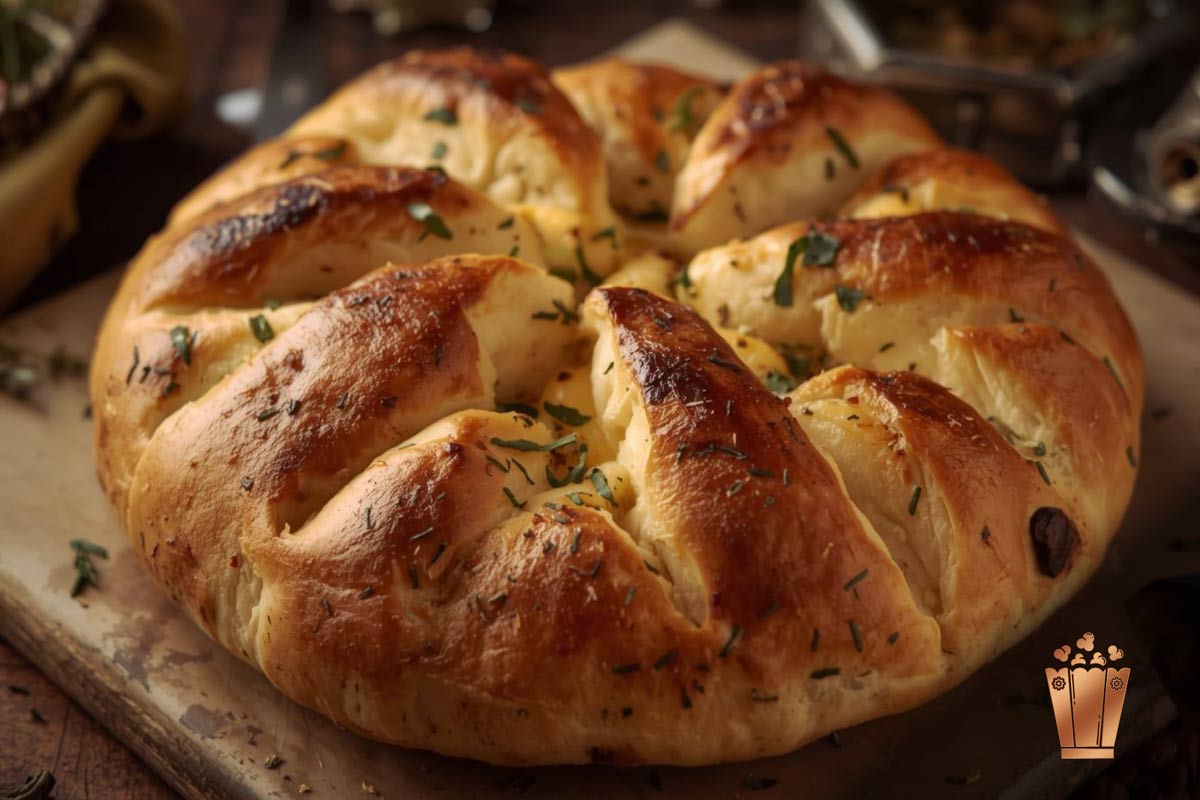
Svanetian Khachapuri – A Georgian Bread Recipe

Svanetian Khachapuri comes from the mountainous Svaneti region and is unique for its spiced cheese filling. Often flavored with local
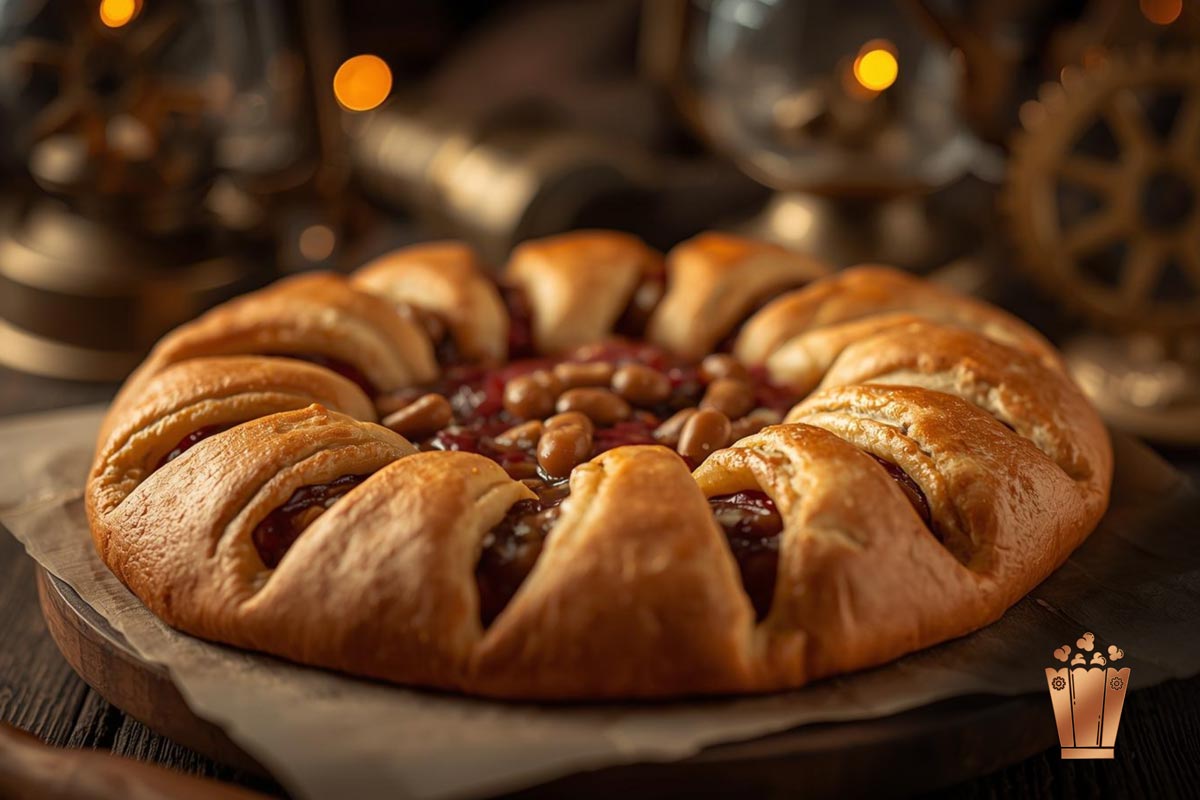
Rachuli Khachapuri  – A Georgian Bread Recipe

Rachuli Khachapuri is a regional variation of Georgia’s famous cheese bread, originating from the Racha region. It is distinguished by
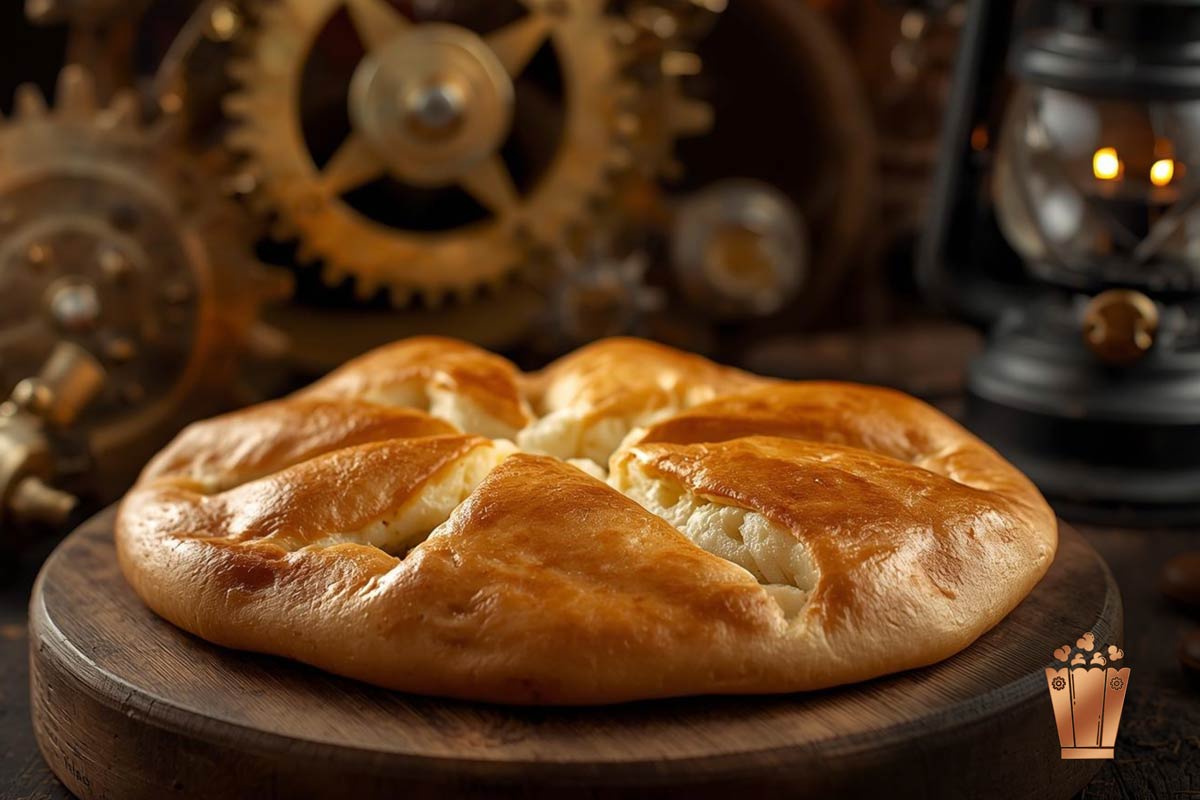
Ossetian Khachapuri – A Georgian Cheese Bread Recipe

Ossetian Khachapuri is a round, stuffed bread filled with cheese, potatoes, or sometimes meat. Originating from the Ossetian community in

Gurian Khachapuri – A Georgian Bread Recipe

Gurian Khachapuri, also known as “Christmas Khachapuri,” is famous for its crescent shape and egg filling. Originating from the Guria
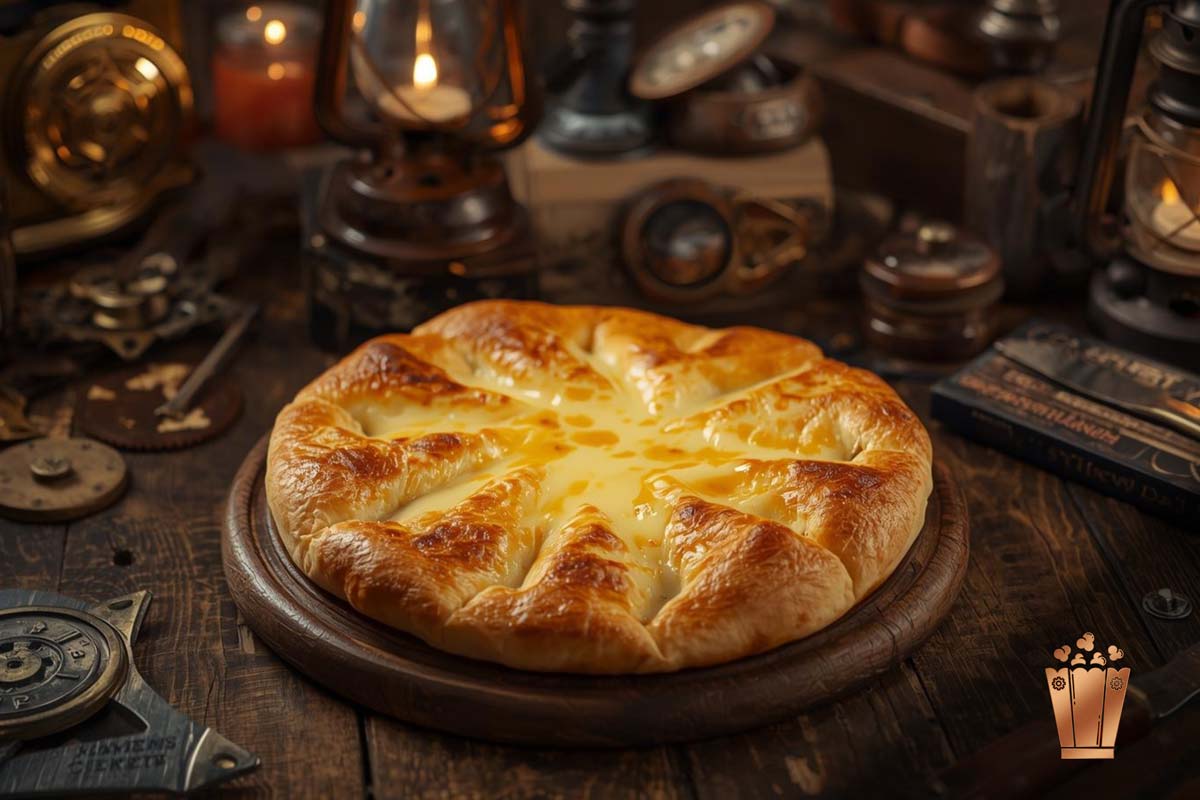
Mingrelian Khachapuri – A Georgian Bread Recipe

Mingrelian Khachapuri is a cheese‑rich variation from the Samegrelo region. Unlike other types, it is topped with extra sulguni cheese
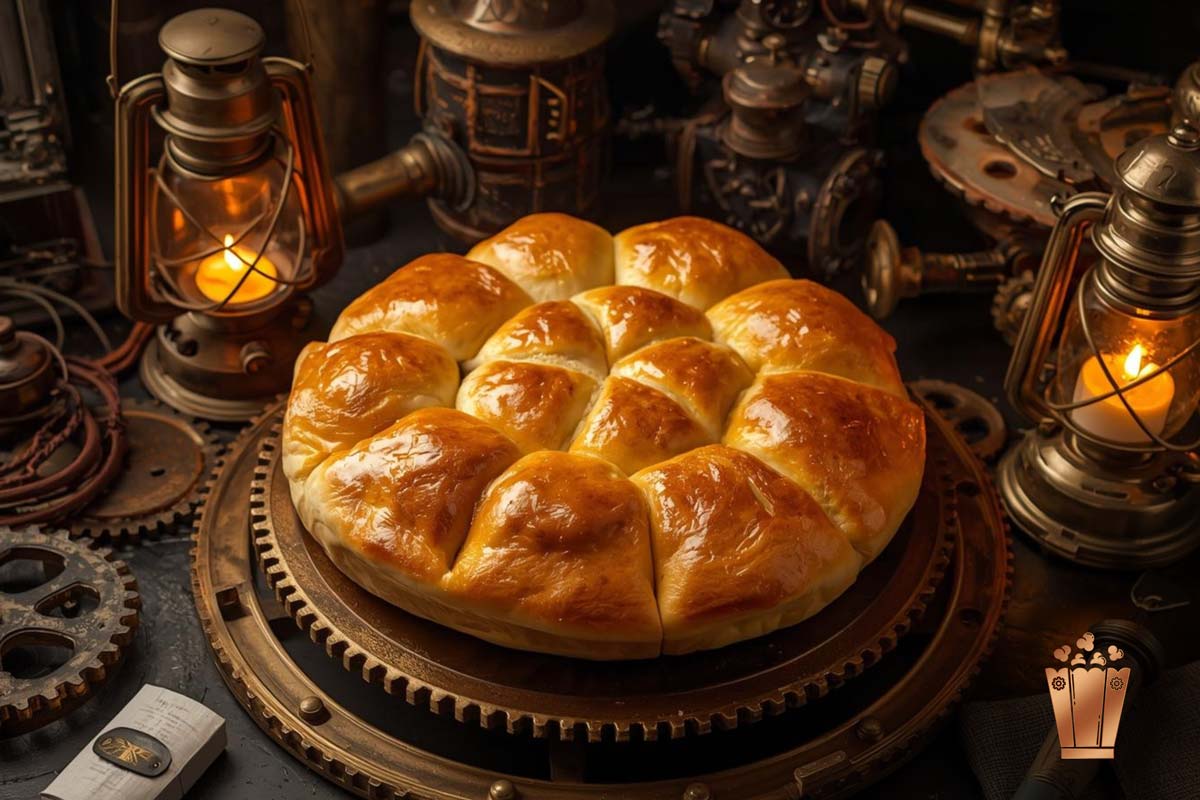
Imeretian Khachapuri – A Georgian Bread Recipe

Imeretian Khachapuri is the most classic version of Georgia’s cheese bread, originating from the Imereti region. Round in shape and

Chrononaut’s Adjarian Khachapuri – A Georgian Snack

Adjarian Khachapuri is one of Georgia’s most iconic breads, shaped like a boat and filled with molten cheese, butter, and
Shopping Cart
Scroll to Top